
Reviewed · WHITE DESERT & OASIS TOURS
White Desert – Overnight Tour
The best part of this trip is the night itself: you camp in the White Desert, eat beside an open fire, and wake to a sky far removed from Cairo’s noise and glare. Mohammed and his family guide you through the desert, cook local food, and can help you choose between a tent and sleeping outdoors beneath the stars.
I like the mix of wild scenery and human warmth, especially the family connection to the desert. I also like the route: black basalt, crystals, white chalk formations, Agabat Valley, and a hot spring give you several very different settings in just two days. The main drawback is the driving, particularly if you are coming from Cairo. The journey to Bahariya can take about four hours each way, so one overnight gives you a memorable taste rather than a slow desert stay.
Key points to know before booking
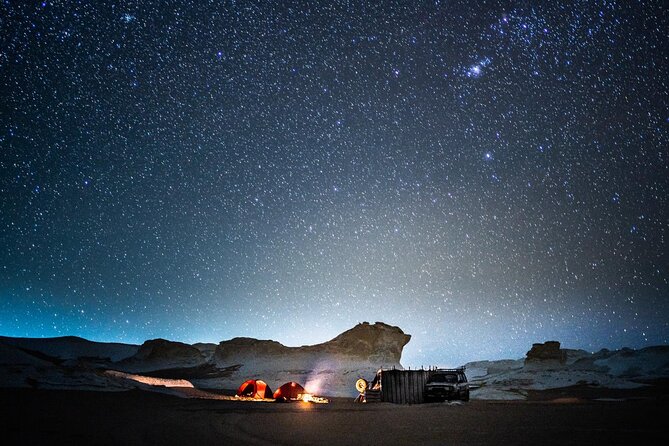
- Camp under the stars: Sleep in a tent or outside, with blankets provided for chilly nights.
- A family-run desert trip: Mohammed, his cousin, and other family members guide, cook, and share stories about their Bedouin roots.
- Five distinct stops: See the Black Desert, Crystal Mountain, Agabat Valley, the White Desert, and Be’er Sejamm hot springs.
- Private booking: The tour is sold as a private activity, though some departures may include a small group, so confirm the exact arrangement.
- Cairo adds considerable travel time: Transfers from Bahariya bus station are included, while pickup from Cairo can be arranged at an additional cost.
- Bring warm clothes: Summer days can be hot, but desert evenings and early mornings can feel surprisingly cold.
Why this overnight desert trip is worth your time
Egypt’s Western Desert gives you a sharp change of pace from Cairo, Luxor, and the Nile Valley. There are no temples here and no crowds pressing around a famous monument. Instead, you trade city traffic for open sand, odd rock formations, long views, and a quiet night around a fire.
The route is especially good because it does not treat the White Desert as a single photo stop. You first see the dark volcanic hills of the Black Desert, then quartz crystals, then the broad valley of Agabat before reaching the pale chalk formations that give the White Desert its name.
I also like the personal scale of the operation. Mohammed and his relatives handle several parts of the trip themselves. They drive, guide, prepare meals, set up camp, and make time for conversation. One evening may include Bedouin songs around the fire, an experience that gives the overnight stay a stronger sense of place than a standard jeep outing.
The price is listed at $235 per group, with the published capacity shown as up to one person. Since the tour is described as private, the value depends on how many people are in your booking. A solo guest pays a high per-person rate, while a couple or small private party may find the cost more reasonable. Some trip accounts describe departures with about four to six people, so ask the operator exactly how your group will be handled before paying.
More White Desert and oasis tours in Bawiti:
- White & Black Desert tour 2 Days 1 night camping from Cairo.
★ 5.0 · 649 reviews - Cairo: 2-Day Bahariya Oasis Camp and Desert Tour
★ 4.9 · 616 reviews - White & Black desert camping tour 2 Days 1 night From Cairo
★ 5.0 · 467 reviews
Starting in Bawiti and reaching the desert
The activity begins at 7:00 am on El Wahat Road in Bawiti, in Bahariya Oasis. Transfers from Bahariya bus station are included, which is useful if you arrive by bus and do not have your own transport.
A Cairo pickup is not part of the basic arrangement, but the operator can help organize one for an added fee. Expect a long road day if you start in Cairo. The drive to Bahariya is roughly four hours, and the return journey adds similar time. That makes this trip easier to enjoy if you are already staying in or near Bawiti, or if you can add another night in the oasis.
The schedule is practical rather than leisurely. You leave in the morning, visit the first sites during the day, camp overnight, then explore the White Desert and end at a spring before returning to the meeting point. If you dislike long drives, consider asking about a two-night version. A longer stay would give you more time in the oasis and make the road journey feel less compressed.
The Black Desert and its dark volcanic hills
The first stop is the Black Desert, a region of mountains and hills covered with dark basalt. These formations are the remains of ancient volcanic activity, and they look stark against the surrounding sand.
You have about an hour here. The main activity is climbing to a high point for views across the desert. This is a good early stop because it gives you a sense of the scale of the area before the route moves into more unusual rock formations.
The climb is short enough for most people who can manage ordinary walking, but this is still an exposed desert setting. Wear closed shoes, carry water, and bring sun protection. The dark rock can make the scene feel especially hot in strong sunlight.
Crystal Mountain and the search for quartz
Crystal Mountain offers a different kind of stop. Instead of a broad view from a summit, you explore a rocky area where crystals are scattered through the sand.
You get about an hour here, enough time to walk around and look closely at the ground. Do not expect a polished visitor center or a museum-style display. The appeal is the simple act of seeing quartz crystals in their natural setting, with the pale stones catching the light as you move through the area.
This is one place where a guide adds real value. Mohammed or another local guide can point out what you are looking at and help you avoid treating the site as a quick roadside pause. As always in a fragile desert setting, look without taking pieces away unless you are clearly told it is allowed.
A few more days out in Bawiti to weigh up
- Hurghada: Full-Day Trip to Cairo by Plane
★ 4.5 · 2,415 reviews - Cairo: Dinner Cruise on the Nile River with Entertainment
★ 4.2 · 2,190 reviews - Cairo: Nile Sunset Dinner Cruise, Show & Optional Transfer
★ 4.1 · 2,184 reviews - Cairo Airport Private Arrival/Departure Transfer to any address/hotel in Cairo
★ 5.0 · 1,509 reviews
Agabat Valley, once crossed by camel routes
Agabat Valley is the most open and dramatic stop on the first day. The valley once served as a route between Farafra and Bahariya, crossed by camels rather than modern vehicles.
You have about an hour to take in the views. The valley’s appeal comes from its shape and isolation. Sand, rock, and wide horizons create a setting that feels much farther from ordinary life than its distance on a map suggests.
This is also where the jeep ride becomes part of the fun. Reviews describe the driving through the desert as thrilling, not just a way to move between stops. If you enjoy a little bouncing and uneven ground, you will likely see the ride as part of the adventure. If you prefer a smooth, quiet excursion, prepare for a more physical day.
Choosing your camp in the White Desert
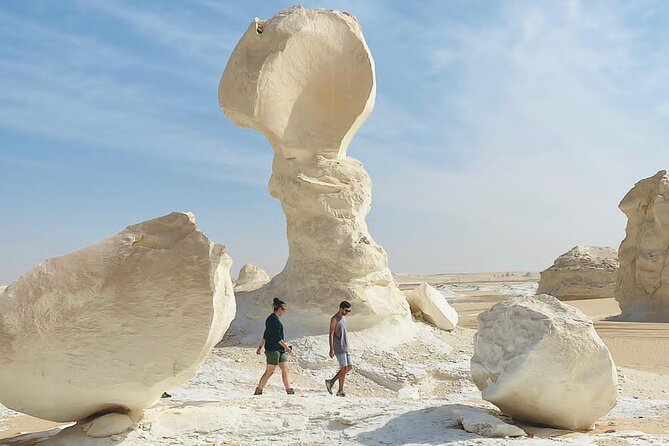
The overnight camp is the heart of the trip. The package includes camping equipment, meals, and a guide, and you can set up in a location chosen with the guide. The White Desert is known for its pale, wind-shaped chalk rocks, many of which have strange rounded forms that can make the area feel almost lunar.
You spend the night in a simple desert camp rather than a permanent hotel. You may sleep in a tent or outside under the stars. Extra blankets are available, and that matters because desert temperatures drop after dark, even when the daytime heat is strong.
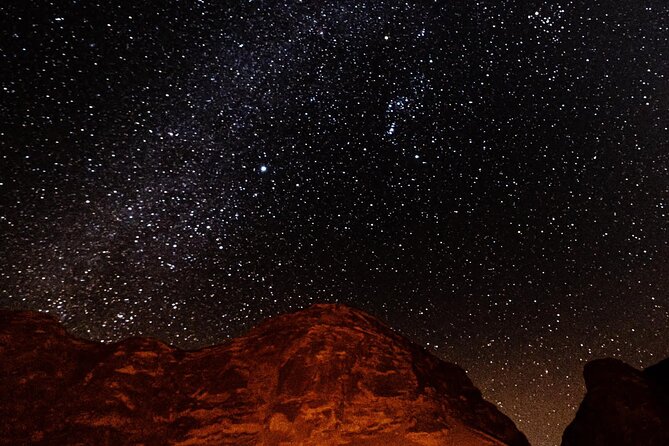
The best approach is to treat the camp as a real outdoor night. There is no need to expect hotel comforts. In return, you get silence, a fire, and a sky that can reveal the Milky Way when conditions are clear. The moon also changes the mood. A bright moon makes the chalk formations easier to see, while a darker sky is better for stars.
Dinner is prepared by the guides and served around an open fire. The food is described as local and generous, and Mohammed is repeatedly praised for his cooking. Breakfast and lunch are also included, so you do not need to arrange your own meals for the main two-day schedule.
Bring warm layers, even if you visit in summer. A jacket, long trousers, and socks will make the evening and early morning more comfortable. A scarf or hat is useful for sun and wind. Pack water, though the tour includes meals, and keep your personal luggage small enough to handle in a desert vehicle.
Exploring the White Desert by daylight
On the second day, you spend about two hours exploring the White Desert itself. This is the longest sightseeing stop and the visual payoff of the route.
The chalk formations are wind sculpted, so you will see shapes that suggest mushrooms, animals, towers, or other forms depending on the angle and light. The fun is not simply seeing one famous formation. It is moving among many shapes, stopping for photographs, and noticing how shadows change the pale rock.
This is an excellent setting for photography. The clean colors and unusual forms make even simple photographs work well. Ask Mohammed to help with pictures if you want portraits in the scenery. Several accounts praise his eye for photographs, as well as his guiding and cooking.
The White Desert can feel vast and empty, but the exact experience depends on weather, light, and the number of vehicles in the area. The tour’s private format gives you more control over stops than a large coach outing. Still, confirm the group size if having a quiet camp is important to you.
Finishing at Be’er Sejamm hot springs
The final stop is Be’er Sejamm, described as a hot spring where you can bathe and relax for about an hour. After a night outdoors and a morning of desert driving, the spring gives the trip a practical finish.
This is not just a sightseeing stop. It lets you wash off some desert dust and slow down before the return journey. Bring a swimsuit, towel, and a small bag with clean clothes if you want to make the most of the soak.
The name in the tour details also refers to Bath Hospitalization Be’er Sejamm, but the activity itself presents it as a hot spring bathing stop. Conditions at the spring may be simple, so keep your expectations closer to a natural desert bath than a resort spa.
Food, guiding, and the family touch
The guides are a major part of the value. Mohammed is named repeatedly in the trip details, and his cousin sometimes joins as another guide. The family has roamed the White Desert for generations, which gives the trip a personal connection to the area rather than a purely commercial feel.
Mohammed is described as speaking several languages and as being helpful from the first arrangements through the return. That can matter in a remote setting, especially when plans need to be explained clearly or you want help with photographs, camping, and meals.
The food gets unusually strong praise. Dinner is cooked over the fire, and lunch and breakfast are included. The meal is not a side detail here. Sitting down to food prepared by the family, hearing stories, and possibly listening to a traditional song makes the camp feel social rather than simply functional.
The service is not formal. You are joining a desert family operation, not checking into a luxury camp. That is part of the appeal, but it also means you should be comfortable with basic facilities, changing desert conditions, and a flexible rhythm.
Price, group size, and practical value
At $235 per group, the headline price looks reasonable for a two-day private desert outing that includes a guide, camping gear, meals, and transfers from Bahariya bus station. Entrance fees for the White Desert National Park are extra, so add that cost to your budget.
The price is harder to judge for a solo guest because the published capacity says up to one person. If the booking is truly private, you are paying for dedicated guiding, transport, food, and camp arrangements. For two or more people, the cost can make more sense, but confirm the final group setup because some departures have involved a small shared party.
The tour is popular and is booked, on average, 53 days ahead. That is a good reason to reserve early if your Egypt itinerary is fixed, particularly during the cooler high season.
Confirmation is sent within 48 hours, subject to availability. The booking includes a mobile ticket, and service animals are allowed. Most people can participate, and the activity is near public transportation at the starting point.
You can cancel for a full refund up to 24 hours before the local start time. Changes or cancellations inside that window are not accepted for a refund. The experience depends on suitable weather, so poor conditions may lead to a different date or a full refund.
Who should choose this White Desert tour
I would choose this trip if you want a strong contrast with Egypt’s cities and archaeological sites. It suits people who enjoy unusual scenery, outdoor sleeping, local food, and a guide who is involved in the whole experience.
It is also a good fit for photographers, couples marking a special occasion, and small groups that want a private desert outing. The campfire, stars, sunrise, and hot spring give the trip more emotional weight than a same-day drive through the desert.
I would hesitate if you have very limited time in Egypt or dislike long road journeys. A Cairo-based visitor spends a large part of the schedule getting to and from Bahariya. I would also think twice if you need guaranteed hotel facilities, a fixed meal schedule, or easy access to bathrooms throughout the night.
Should you book it?
Book this White Desert overnight tour if you want the desert to be more than a quick photo stop. The strongest reasons are the family-led guiding, the fire-cooked meals, the chance to sleep beneath the stars, and the range of scenery packed into two days.
Before booking, confirm three details: the exact pickup point, the added price for Cairo transport, and whether your departure is fully private or includes a small group. If you can spare another night, ask about extending the stay. For the right kind of visitor, this is one of Egypt’s most memorable outdoor experiences, but you need to accept the long drive and basic camp conditions to enjoy it fully.
FAQ
Where does the White Desert overnight tour begin?
It begins at 7:00 am on El Wahat Road in Bawiti, in Bahariya Oasis. Transfers from Bahariya bus station are included.
Can I be picked up in Cairo?
Cairo pickup can be arranged by Mohammed as an extra service. It is not included in the listed package price.
How long does the experience last?
The tour lasts approximately two days and ends back at the meeting point.
What places are visited?
The route includes the Black Desert, Crystal Mountain, Agabat Valley, the White Desert, and Be’er Sejamm hot springs.
Are meals included?
Yes. Dinner, lunch, and breakfast are included.
Are entrance fees included?
Entrance fees for the White Desert National Park are not included and must be paid separately.
Is this a private tour?
The activity is described as private, with only your group participating. Some trip arrangements have included small groups, so confirm the exact group size before booking.
What happens if the weather is poor?
The experience requires good weather. If it is canceled because of poor conditions, you can receive a different date or a full refund.
Just added in Bawiti
- Private Dinner Cruise with Belly Dancing★ 5.0 · 48 reviews
- Fayoum 4×4 Safari Adventure, Sandboarding, Lunch, Felucca★ 5.0 · 71 reviews
- Private Half Day Tour to Islamic Cairo★ 5.0 · 19 reviews
- Private day trip to Cairo from Hurghada★ 5.0 · 139 reviews
- Private day tour visiting Coptic, Islamic Cairo, khan Elkhalili★ 5.0 · 39 reviews
- Private VAN Airport Transfer: Cairo Airport Transfer to anywhere in Cairo★ 4.5 · 49 reviews
- Private pickup & Transfer from & to cairo Airport★ 5.0 · 19 reviews
- Private Transfer – Cairo Airport Arrivals Hall to Hotel★ 5.0 · 147 reviews
White Desert & Oasis Tours, compared.
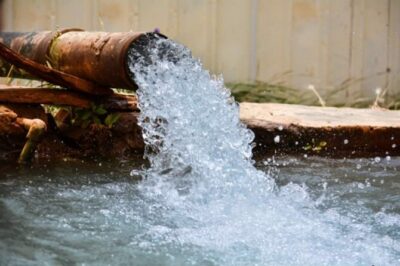
White & Black Desert tour 2 Days 1 night camping from Cairo.
Read our review →
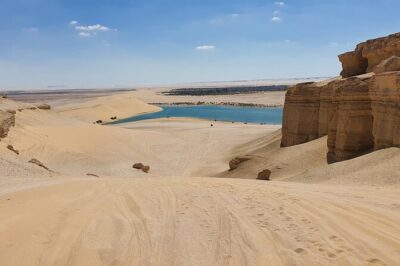
Private tour El Fayoum Oasis and Wadi Rayan waterfall from Cairo
Read our review →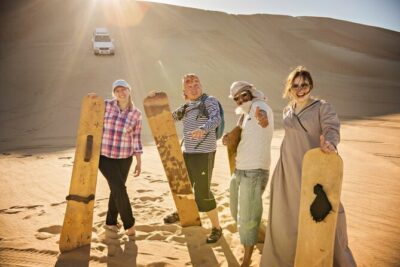
Siwa Oasis All inclusive 3 days Tour from Cairo or Giza
Read our review →
Browse the lists this tour appears in