
Reviewed · NILE CRUISES
Private Cairo Aswan Luxor 8 days 7 nights with Nile Cruise
Egypt makes a strong first impression, and this trip gets quickly to the big sights: the Pyramids of Giza, the treasures of the Egyptian Museum, and three nights moving along the Nile from Aswan to Luxor. I like the way the route links ancient monuments with ordinary travel, especially the overnight trains and the slow cruise between temples. I also like the private format, since your group can ask questions and move at its own pace.
The main caution is the wording around what is included. The trip describes five-star Cairo hotels and full-board cruising, but the inclusions also say accommodation and meals may be optional. Confirm the exact hotel, cruise boat, train class, and meal plan in writing before paying. The itinerary is full, and two overnight train rides may not suit anyone who sleeps lightly.
Key points at a glance
- Three nights on the Nile: Cruise from Aswan to Luxor with visits to Kom Ombo and Edfu along the way.
- Private touring: Your group travels with private air-conditioned transport and an Egyptologist guide.
- Cairo’s essential sights: See the Pyramids, Sphinx area, Egyptian Museum, Citadel, Coptic Cairo, and Khan Al-Khalili.
- Two overnight trains: The rail journeys save daytime hours but add a little uncertainty and tiredness.
- A strong guide team: Past bookings specifically praise guides and staff including Ash, Ashraf, Mandouah, Mumdua, and booking contact Mona.
- A packed eight days: You cover a great deal of Egypt, but this is not a slow, restful holiday.
Why this route works for a first visit
The route follows Egypt’s classic north to south story. Cairo gives you the monumental beginning, Aswan introduces the southern Nile, and Luxor supplies the grand finale with tombs and temples. You do not spend the whole trip in one hotel or one sightseeing zone.
The private setup matters here. Egypt can be tiring to arrange on your own, with long transfers, crowded sites, train schedules, and several different kinds of transport. Having a representative meet you at Cairo airport, help with arrival formalities, and take you to your hotel removes a lot of early friction.
I also like the balance between guided visits and free time. Your guide handles the historical setting and site entrances, while stops such as Khan Al-Khalili leave room to wander, shop, or sit at El Fishawy coffee shop. That mix feels more human than a schedule made entirely of bus rides and monuments.
Still, the pace is brisk. The plan includes two long train journeys, several early or tightly timed visits, and a concentration of major sites in Luxor. You should choose this tour to see a great deal efficiently, not to spend lazy afternoons by the pool.
More multi-day Egypt packages:
- 6 Days Hypnotic Cairo & Nile Cruise Tour Package
★ 5.0 · 248 reviews - 8-Day Private Tour Cairo, Aswan, Luxor and Nile Cruise Including Air Fare
★ 5.0 · 142 reviews - Egypt on Budget – 8 Days ( Cairo , Aswan , Nile Cruise – Luxor ) Sleeper Train
★ 4.5 · 121 reviews
Day 1: A useful airport welcome in Cairo
Your first day is mostly arrival and transfer. A representative meets you at Cairo International Airport and assists with passport control, luggage, and customs before taking you to a Cairo hotel in a private air-conditioned vehicle.
That help can be valuable after an international flight. You do not have to work out a taxi, find a driver, or negotiate the first ride in a new city. The overnight stay also gives you a base before the major sightseeing begins.
The hotel arrangement needs special attention. The highlights describe two nights in a five-star Cairo hotel, while the booking details also list accommodation as optional. Ask exactly which nights are included and which hotel standard applies. The difference can have a large effect on the real cost of a $960 package.
Day 2: Pyramids, Sphinx, and the Egyptian Museum
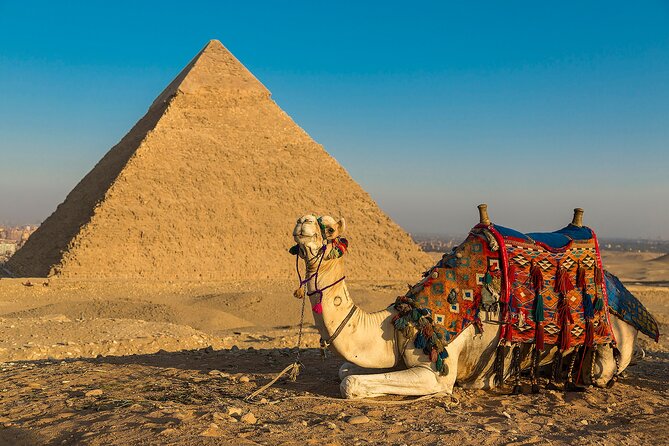
The Pyramids of Giza are the day’s headline act, and the schedule allows about two hours in the area. You will see the Great Pyramid of Khufu, along with the pyramids of Khafre and Menkaure, and hear how the complex was built and used.
Two hours is enough for the main viewpoints, photos, and an explanation of the site. It may also allow time to enter one pyramid chamber or visit the Solar Boat Museum, depending on timing and ticket arrangements. A camel ride is offered as an option, but treat it as an extra activity rather than a core part of the tour.
The Giza site is physically exposed. You will spend time in open sun, on uneven ground, and near large crowds and persistent sellers. Comfortable shoes, water, and modest clothing that protects you from the sun will make the visit easier.
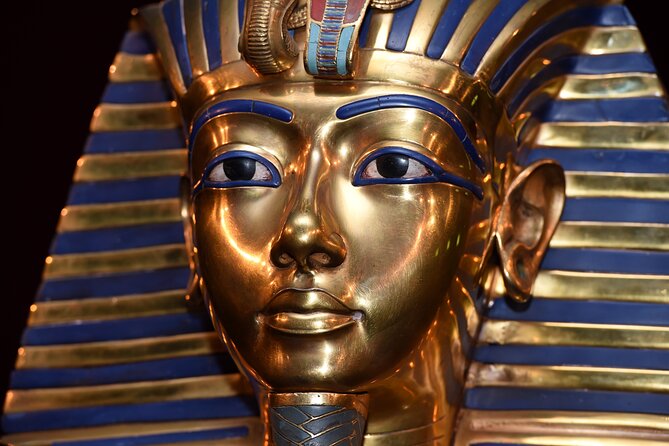
The Egyptian Museum receives about two and a half hours. It holds an enormous collection, so your guide will need to choose highlights rather than attempt every room. The Tutankhamun section is a key stop, with gold objects and other pieces tied to the famous royal burial.
This museum visit works best with a guide who can explain what you are looking at and why it matters. The building contains more objects than anyone can absorb in one visit. A focused route is better than wandering without a plan, though art lovers may wish they had another half-day.
Day 3: Aswan, Philae, and the High Dam
The schedule moves you south to Aswan, with the exact train timing and transfer details worth confirming before departure. The main sightseeing begins at Philae Temple, reached on Agilika Island after the original temple complex was moved to save it from rising water.
Philae is dedicated to Isis and contains work from the Greek, Roman, and Byzantine periods. That mixture gives the site a different feel from the Old Kingdom monuments around Cairo. Look for the layered additions, reliefs, courtyards, and pylons. Your Egyptologist guide can help you separate the periods and explain how the temple’s setting changed.
The rescue of Philae is part of the visit’s appeal. The temple was threatened after the first Aswan Dam, then relocated through an international and UNESCO-supported effort. You are not just seeing a temple; you are seeing a monument that survived a modern engineering project.
The Aswan High Dam follows, with about 30 minutes for the visit. Your guide explains its role in hydroelectric power and flood control, along with its disadvantages. It is a short stop, but it adds modern Egyptian context to a tour otherwise centered on antiquity.
The day is also when the Nile cruise begins or takes shape in your schedule. Confirm the boarding time, cabin arrangement, and what full board means. The provided plan says three cruise nights with full board, while the general inclusions mention meals as optional.
More Nile cruises to weigh up:
- 4-Days Nile Cruise From Aswan To Luxor including Abu Simbel and Hot Air Balloon
★ 5.0 · 3,142 reviews - 4-Day 3-Night Nile Cruise from Aswan to Luxor&Abu Simbel+Balloon
★ 5.0 · 2,023 reviews - 4-Day 3-Night Nile Cruise from Aswan to Luxor including Abu Simbel, Air Balloon
★ 4.5 · 612 reviews - From Aswan: 4-Day Nile Cruise from Aswan to Luxor with Guide
★ 4.1 · 593 reviews
Day 4: Kom Ombo and Edfu by river
Kom Ombo is one of the most memorable stops because its temple serves two gods: the falcon-headed Horus and the crocodile god Sobek. The site’s shared design makes sense once your guide explains the separate sanctuaries and the religious roles attached to each deity.
The visit lasts about an hour and a half, followed by lunch and free time on the cruise. This is one of the trip’s more pleasant transitions. Instead of packing up for another road transfer, you return to the boat and watch the Nile pass by.
Edfu Temple gets about two hours. Dedicated to Horus, it is among Egypt’s best-preserved ancient temples, with large walls, clear reliefs, and a strong sense of its original form. A private guide can point out the stories in the carvings and explain how the temple was used.
The cruise is valuable here because it links the sites in a natural sequence. You see temples during shore visits, then return to the water for meals and rest. The tradeoff is that cruise schedules can be fixed, and sightseeing times depend on the boat’s movement and docking arrangements.
Day 5: Royal tombs on Luxor’s West Bank
Luxor’s West Bank is the day’s main event. You cross the Nile to the Valley of the Kings, where pharaohs placed their tombs in the dry hills. The standard entry permits three tombs, with additional royal tombs such as Tutankhamun available as an option.
The painted chambers are the reason to come. The color and wall scenes survive in a way that can surprise you after seeing the massive stone temples. The tombs are narrow, hot, and reached by walking on uneven ground, so pace yourself and take water.
Tutankhamun’s tomb may cost extra, but it offers a direct connection to one of Egypt’s most famous discoveries. The space itself is modest compared with the great royal tombs, yet the preserved burial remains and painted decoration give it a special pull.
Next comes the Temple of Hatshepsut at Deir el-Bahari. Its terraces rise against the cliffs, and its design differs sharply from the enclosed temple spaces you see elsewhere. Hatshepsut ruled for two prosperous decades as a female pharaoh, and the reliefs tell the story of her divine birth and authority.
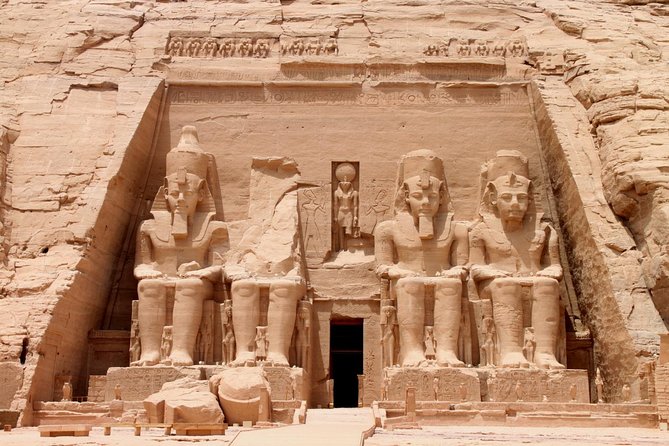
The Colossi of Memnon are a short final stop. Two seated statues of Amenhotep III face east toward the Nile. Thirty minutes is enough for photos and a quick explanation, but you should not expect a long visit.
Day 6: Karnak and Luxor Temple
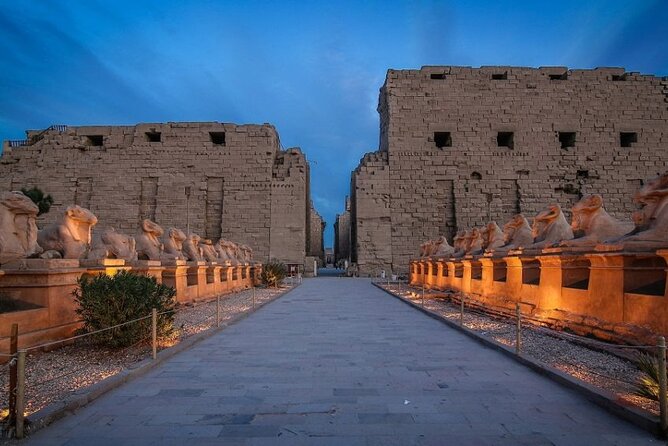
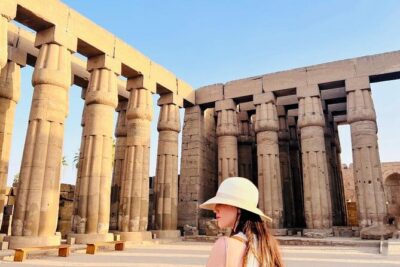
Karnak needs time, and the two-hour visit gives you a chance to grasp its scale. This is not one single temple but a large complex built and expanded over many generations. The Great Hypostyle Hall, with its towering columns, is the visual centerpiece.
Look closely at the papyrus and lotus capitals and the carved inscriptions on the column shafts. The obelisks and statues show how successive rulers added their names and symbols to the sacred precinct. A guide helps turn a huge collection of stone into a readable story.
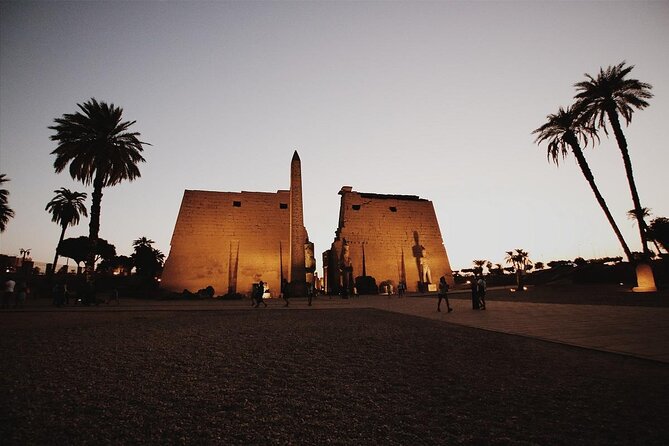
Luxor Temple follows for about 90 minutes. Once linked to Karnak by an avenue of ram-headed sphinxes, it was used for ceremonies connected with the gods Amun, Mut, and Ra. Later additions reflect Greek, Roman, Islamic, and Coptic periods.
The obelisk at the entrance has a fascinating modern connection: its matching partner was taken to Paris. The visit is shorter than Karnak, but the temple’s position in the modern city gives it a different atmosphere. You see ancient stone alongside present-day Luxor rather than in an isolated archaeological zone.
The overnight trains: practical value and real tradeoffs
Two overnight train rides are included, one of the more unusual features of this package. They save daytime hours that could otherwise be lost to long transfers, and they make the route feel like a real journey through Egypt rather than a series of airport hops.
The drawback is comfort and timing. The supplied details do not state the train class, sleeping arrangement, departure time, or exact route. Ask these questions before booking. You should also avoid scheduling an important personal activity immediately after an overnight ride, since sleep may be limited.
The private vehicle transfers and airport assistance soften the logistics. Past bookings also singled out punctual drivers, careful coordination, and staff who stayed in touch before and during the trip. Names connected with earlier arrangements include Mona, Ash, Ashraf, Mandouah, and Mumdua, though you should confirm who will be assigned to your group.
Day 7: Cairo’s religious and historic quarters
Back in Cairo, the tour shifts from pharaonic monuments to the city’s Islamic, Coptic, and Jewish heritage. At the Citadel of Saladin, you visit the Mosque of Muhammad Ali, built in the 19th century in a style influenced by Istanbul’s Blue Mosque.
The mosque’s alabaster walls and city view make this a strong one-hour stop. Your guide explains the main features and basic Islamic principles, which helps you visit respectfully rather than simply take photographs.
Coptic Cairo includes the Hanging Church, built above one of the old Babylon fortress towers. The Church of St. Sergius and Bacchus, also called the Cavern Church, is tied to the story of Mary and the infant Jesus hiding in Egypt.
The route also includes Cairo’s historic synagogue, showing the city’s long religious mix. These sites are active places of worship and deserve quiet behavior and suitable clothing. The visit is brief, so expect an introduction rather than a detailed study of every building.
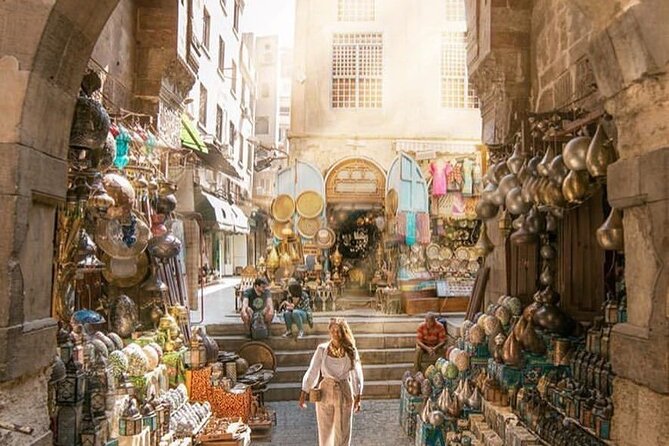
Khan Al-Khalili finishes the day with about 90 minutes of free time. The market’s lanes are good for small gifts, spices, and the general pleasure of getting a little lost. If you want to sit with a local drink, El Fishawy coffee shop is an old Cairo institution.
Use your free time carefully. Bargaining is part of shopping here, but you do not need to buy anything. A guide can help you return to the meeting point, which matters in a maze of narrow lanes.
Day 8: Departure without extra sightseeing
The final morning is simple: breakfast, hotel checkout, and transfer to Cairo International Airport. There is no extra sightseeing built into the day, so plan your departure flight with the transfer time in mind.
Airport drop-off is included, along with arrival assistance and other private transfers. International airfare, entry visa, optional internal flights, and any optional accommodation or meals are not included according to the booking details.
Is $960 a good value?
At $960 per person, the package can offer good value if the quoted price truly covers the private transport, guides, site tickets, airport services, overnight trains, two Cairo hotel nights, and three full-board cruise nights. Those components would be costly and time-consuming to arrange separately.
The uncertainty around optional accommodation and meals is the important issue. A low headline price can change once you add hotel rooms, cruise meals, train upgrades, visas, gratuities, and optional tomb or camel-riding tickets. Get a written cost sheet with every included item.
The 100 percent recommendation rate shown for the experience is supported by a pattern of praise for communication, punctuality, guide quality, drivers, and smooth handling of complicated logistics. Specific past bookings describe the trip as especially useful for couples, honeymooners, small groups, and people who wanted Egypt arranged from start to finish.
Who should book this Egypt itinerary?
I would choose this tour if you want the classic sights in one tightly managed package, prefer private touring, and do not want to arrange trains, cruise boarding, airport transfers, and site visits yourself. It also suits a small group that values the ability to ask questions and adjust the pace within a private schedule.
I would hesitate if you want long, quiet stays in each city, dislike overnight trains, or need a fully fixed price with no optional items. The pace is demanding, and Cairo, Aswan, and Luxor each deserve more time than this route allows.
Before booking, confirm the hotel names, cruise boat, train class, meal plan, guide assignments, and all extra admission charges. If those details match your expectations, this is a practical introduction to Egypt that packs the country’s main ancient and religious sights into eight days.
FAQ
How long is the tour?
The tour lasts eight days and seven nights.
Is the tour private?
Yes. Only your group participates in the private tour or activity.
Are airport transfers included?
Yes. Airport pickup on arrival and transfer to Cairo International Airport for departure are provided.
Are the Pyramids of Giza included?
Yes. The itinerary includes a guided visit to the Great Pyramid area, including views of the pyramids of Khufu, Khafre, and Menkaure.
Is the Egyptian Museum included?
Yes. A guided visit of about two and a half hours is included, with attention to major collections such as the Tutankhamun wing.
How many nights are spent on the Nile cruise?
Three nights are spent on a cruise from Aswan to Luxor. The cruise is described as full board, but confirm the meal arrangement before booking because the general inclusions also list meals as optional.
Are overnight train trips included?
Yes. Two overnight train journeys are included.
Is accommodation included?
The highlights describe two nights in a five-star Cairo hotel, but the booking details also list accommodation as optional. Confirm the exact accommodation arrangement and price before booking.
What is the cancellation policy?
You can cancel at least 24 hours before the experience starts for a full refund. Cancellations or changes made less than 24 hours before the start time are not accepted for a refund.
Just added in the Nile Valley
- Egypt 8 Days Cairo,Nile cruise,Luxor,Aswan from Cairo airport★ 5.0 · 79 reviews
- Private Tour: 7 Nights Pyramids & Nile Cruise +Flights from Cairo★ 4.5 · 157 reviews
- 8 Day Cairo Pyramids and Nile cruise and Alexandria All inclusive Private Tour★ 5.0 · 23 reviews
- 7 Days Egypt Tour Package to Cairo and Nile Cruise★ 5.0 · 62 reviews
- Private 6-Days Egypt Tour Package with Nile Cruise by Flights★ 4.0 · 59 reviews
- 6-Day Egypt Package, Nile Cruise from Aswan to Luxor by Flights★ 5.0 · 18 reviews
- Egypt in 9 Days from Saturday to Sunday including tours and Dahabeya Nile trip.★ 5.0 · 21 reviews
- From Cairo 4-Day Nile Cruise to Aswan by Flights& Hot Air Balloon★ 4.5 · 44 reviews
Nile Cruises, compared.
4-Days Nile Cruise From Aswan To Luxor including Abu Simbel and Hot Air Balloon
Read our review →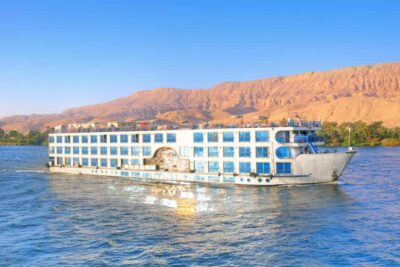
4-Day Nile Cruise from Aswan to Luxor with Guide
Read our review →Browse the lists this tour appears in