
Reviewed · SCUBA DIVING
PADI Open Water Diver Course
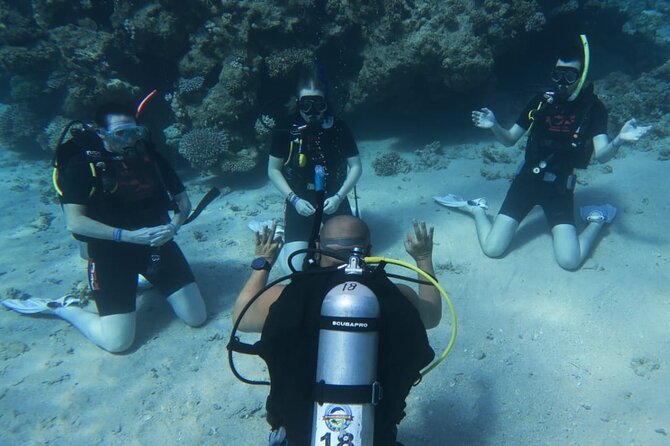
The best part of this course is that your classroom is the Egyptian Red Sea. You learn the basics in confined water, then put them to work among coral and fish, finishing with a worldwide PADI certification that allows independent underwater exploration to 18 meters.
I like the patient instruction and the fact that nearly every practical cost is covered, from equipment and hotel transfers to lunch and bottled water. The three-day format is also useful: it is long enough to build confidence without taking over an entire holiday.
The catch is that this is serious training, not a quick holiday taster. You must complete theory, confined-water skills, and four sea sessions, and the course fee does not include PADI certification or study materials. You also need to avoid flying for 24 hours afterward.
Key points at a glance
- Three to four days of training: Five theory sessions, five confined-water sessions, and four Red Sea sessions form the full course.
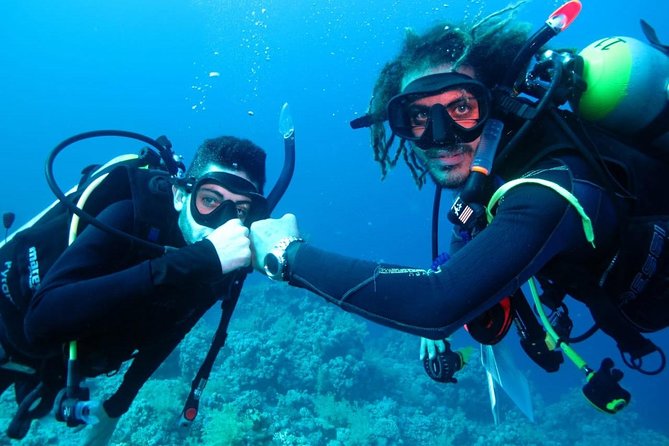
- Patient personal instruction: Amr, Mena, Mohamed Abdelkarim, Mohammed Abdelkarim, Farid, and other PADI professionals are praised for calm explanations and steady encouragement.
- Equipment is included: You do not need to bring your own scuba kit, though the PADI manual and certification cost extra.
- A real qualification: Successful students receive a PADI Open Water Diver certification recognized worldwide, with no renewal fees.
- Family option from age 10: Children aged 10 to 15 receive junior certification with a 12-meter limit until turning 15.
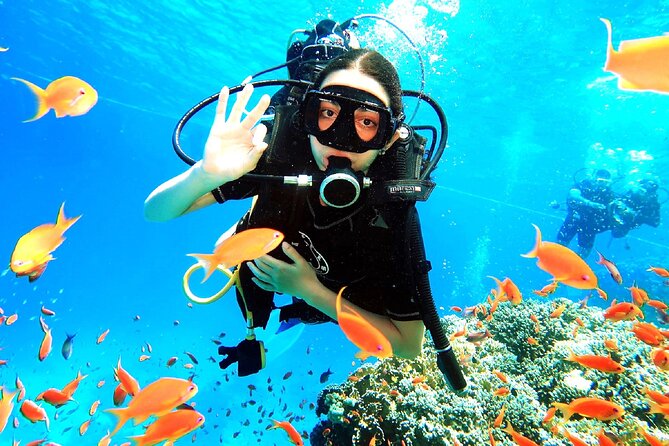
- Red Sea wildlife: The sea sessions offer a chance to see living coral and plenty of fish in one of Sharm el Sheikh’s main natural attractions.
What the three-day PADI course actually involves
This course is designed to take you from complete beginner to certified open-water scuba participant. The work is split into three parts, theory, confined-water practice, and four sessions in the sea.
The schedule is generally completed in three days, though the stated duration allows three to four days. That extra flexibility matters if a student needs more time with a skill, or if weather affects the sea sessions.
You begin at around 8:30 am, with hotel pickup available in an air-conditioned vehicle. The exact order of lessons can vary, but the course includes five theory sessions, five confined-water sessions, and four open-water sessions.
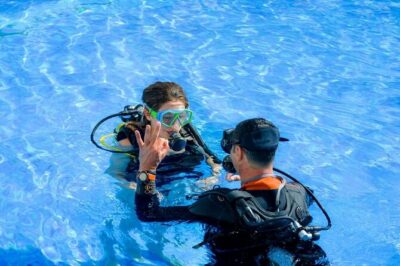
This is not a course where you sit through one long lecture and are sent straight into the sea. The repeated practice is the point. You learn a skill, try it in a controlled setting, receive corrections, and then use it in deeper water when your instructor considers you ready.
For a first-time scuba student, that gradual pace is a major advantage. Several instructors, including Mena and Mohamed Abdelkarim, are specifically praised for repeating explanations and allowing students to demonstrate skills as many times as needed.
More Scuba Diving in Sharm El Sheikh
- Discover Scuba Diving
★ 5.0 · 1,676 reviews - Sharm El Sheikh: Ras Mohamed & White Island Dive & Snorkel
★ 4.9 · 1,280 reviews - PADI Scuba Diver (PSD)
★ 5.0 · 116 reviews
Theory sessions: the part you should not rush
The five theory sessions cover the knowledge needed to use scuba equipment safely and understand what happens to your body underwater. The course description does not list every lesson by name, but the theory is a required part of PADI certification and is not optional holiday paperwork.
You should expect to spend real time learning rather than simply signing forms. The supplied course information states that the PADI e-learning material and manual are not included, so check the current cost before booking.
This extra charge is easy to overlook when comparing prices. The advertised rate is $411.31 per person, but your true total will be higher if you need the PADI certification and manual. Ask for the exact current amount before arrival.
I still consider the price reasonable for what is included. You receive professional instruction, all required scuba equipment, five confined-water sessions, four sea sessions, lunch and soft drinks on the boat, bottled water, hotel pickup, and return transport.
A cheaper course that leaves out transfers, kit hire, or meals may not be cheaper once you add those costs. The useful comparison is the full price, not just the headline number.
Confined-water practice builds calm before the sea
The five confined-water sessions are where you learn to manage the equipment and handle common problems without the distraction of open sea conditions. This is also where nervous beginners get a chance to settle into breathing underwater.
That gradual approach is one of the strongest features of the course. A beginner does not need to feel comfortable immediately. You need time to understand the equipment, follow hand signals, control your position in the water, and repeat skills until they become familiar.
The instructor quality matters here more than fancy facilities. Amr is praised for a relaxed manner and patient teaching. Mena is noted for thorough explanations, including why each task matters. Mohamed Abdelkarim is repeatedly described as calm, encouraging, and willing to wait while students try again.
Those details are useful if you are worried about being rushed. The course still has a set structure, but the strongest teaching approach appears to be steady rather than hurried.
Group size is capped at 15 participants, which gives you a practical limit when comparing this course with larger operations. That does not mean every class has 15 people, but it does mean the advertised maximum is not open-ended.
If close personal attention is important to you, ask whether a smaller group or one-to-one instruction is available. A one-to-one course with Mena was specifically described as reassuring and thorough, though the supplied price is for the standard course and does not promise private instruction.
Four Red Sea sessions bring the lessons to life
Once you have shown that you can manage the required skills, the course moves into the sea. There are four open-water sessions in the Egyptian Red Sea, where the reward is not just certification but the chance to see coral and fish while using your new skills.
Sharm el Sheikh is a strong setting for a first course because the underwater scenery is a central part of the experience. The sea is described as home to living coral and large numbers of fish, giving you something interesting to observe while you practice.
That said, your first sea session is still a lesson. You should not expect four leisurely sightseeing outings. Your instructor will need to watch your technique, guide the group, and make sure each required skill is completed properly.
The course may include shore-based and boat-based sea sessions, but the exact pattern is not guaranteed in the information provided. One useful planning point is that some experienced participants prefer more boat time after the initial training day, particularly for access to better reef sites.
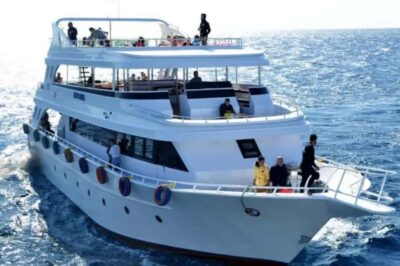
A boat outing can make the day feel more like a holiday, with lunch, soft drinks, and room to rest between sessions. One boat trip associated with the center included three stops, enough time for underwater sessions, and a clean, spacious boat that did not feel overcrowded.
Do not treat that as a promise for every course date. Weather, sea conditions, training needs, and the day’s schedule can change the plan.
A completely different sort of day in Sharm el Sheikh:
- Sharm El-Sheikh: Ultimate ATV Quad, Stargazing & BBQ Dinner
★ 4.7 · 4,084 reviews - Sharm El-Sheikh: Jeep Adventure to Blue Hole, Canyon & Dahab
★ 4.7 · 3,759 reviews - From Sharm: White Island and Ras Mohamed Snorkeling Trip
★ 4.7 · 3,194 reviews - Sharm El Sheikh: White Island and Ras Mohamed Cruise Adventure
★ 4.5 · 1,824 reviews
The Red Sea is the reward, but safety comes first
The appeal here is easy to understand: you are not earning a qualification in an ordinary swimming pool and then waiting months to use it. You get to practice in a famous marine setting as part of the course.
You might see coral and many types of fish, but no operator can guarantee particular animals or exact visibility. The course is subject to favorable weather, and poor conditions can lead to a new date or a change of activity.
That policy is sensible, but it matters for your holiday planning. Avoid placing the course on the last possible days of your trip. If weather causes a delay, you need spare time to complete the sea sessions.
You should also plan around air travel. Flying within 24 hours of scuba activity is not recommended, so schedule the final session at least a full day before your flight home.
This is one of the most important practical details in the whole booking. A three-day course may require four days of holiday planning once you allow for the no-fly period.
Instructors make the largest difference
The strongest theme in the supplied feedback is not the boat, lunch, or equipment. It is the instructors.
Amr is described as calm, kind, patient, and encouraging, including with a ten-year-old student and junior students. Mena is praised for explaining both what to do and why it matters, then repeating the lesson when a student is unsure.
Mohamed Abdelkarim is singled out for clear instruction, patience, and reassurance when students struggle. Mohammed Abdelkarim receives similar praise for building confidence and making the learning process feel safe.
Other named instructors include Farid, Shiref, Hani Hendy, and Khaled Shabben. Farid is associated with a memorable introduction to scuba and beautiful reef conditions. Shiref is praised for practical advice and supportive instruction.
Of course, you cannot choose a specific instructor from the general course description. You can ask the center which instructor is assigned and whether a preferred instructor is available, but do not assume that a named instructor is guaranteed.
For a beginner, this matters more than a stylish boat or a quick schedule. A calm instructor gives you room to think, repeat a skill, and regain confidence if the first attempt goes badly.
What is included, and what will cost extra
The included package is strong:
- PADI professional instructor
- Required scuba equipment
- Five confined-water sessions
- Four open-water sessions
- Five theory sessions
- Lunch and soft drinks on the boat
- Bottled water
- Hotel pickup and return in an air-conditioned vehicle
The major exclusions are the PADI certification and manual. Those are not minor details because they are part of the final qualification, so include them in your budget.
Souvenir photos are also extra. Photos can be tempting, especially on a first underwater course, but buying them is optional and should not affect your decision to book.
The equipment inclusion is valuable for visitors who do not own a mask, regulator, buoyancy system, tank, or other scuba gear. You avoid the nuisance of arranging separate rental, though you should still tell the center if you have an unusual equipment need or a fit concern.
Lunch and drinks on the boat make the long training day easier. You should still treat the course as physically demanding and bring anything personal you need for a full day near the water.
Who should book this course?
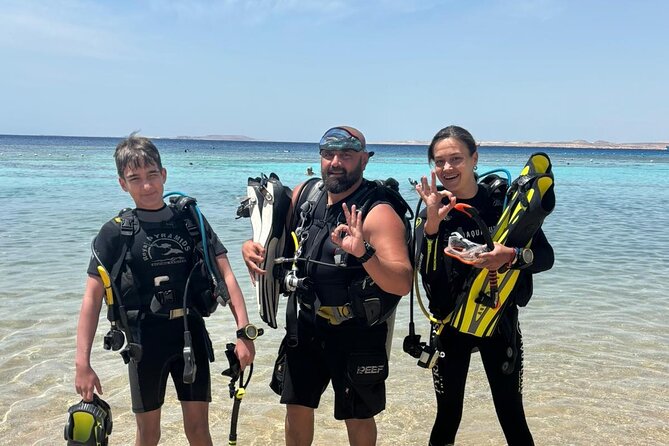
This course suits adults and children from age 10 who want a recognized qualification rather than a single introductory swim. It also suits people who plan to continue scuba on future holidays, since the certification is recognized worldwide and has no renewal fees.
Children aged 10 to 15 receive junior certification and are limited to 12 meters. At age 15, they can receive the adult certification allowing depths of up to 18 meters.
The course is not suitable for pregnant participants or people with back problems, heart complaints, or other serious medical conditions. Every participant must complete a health questionnaire before training, and conditions such as asthma or heart problems may affect eligibility.
If you have any medical concern, consult your doctor before booking. Do not wait until the morning of the course to discover that you cannot participate.
You also need a current valid passport on the day. Confirmation is provided at booking, and the activity is near public transportation, though hotel pickup is the more convenient option for most visitors.
Timing, weather, and cancellation details
The advertised start time is 8:30 am. Pickup timing may depend on your hotel, so keep the morning free rather than scheduling another activity immediately afterward.
Weather can affect the sea sessions. If conditions make the activity unsafe, you are offered another date or a different activity. If the operator cancels because of poor weather, the supplied policy also allows a full refund.
Your own cancellation policy is much stricter. The booking is non-refundable and cannot be changed for personal reasons, so check your holiday dates, medical suitability, flight schedule, and passport before paying.
A useful rule is to schedule the course early enough in your stay to allow for weather changes. Leave at least 24 hours between your final session and flying.
Is $411.31 good value?
For a three-day course, $411.31 is a fair starting price if you use the included services. You are paying for professional instruction, repeated practical training, four sea sessions, equipment, meals, water, and transport.
The value is best for someone who genuinely wants the certification. If you only want to try breathing underwater once, a shorter introductory activity may be a better fit and a lower commitment.
The price is less attractive if you do not account for the certification and manual. Add those costs before comparing this course with another center in Sharm el Sheikh.
I also like that the certification has no renewal fees. The initial price buys more than one holiday activity, provided you continue to meet the certification rules and use it responsibly.
Should you book the PADI Open Water Diver Course?
Book it if you want a proper qualification, can spare three to four days plus the no-fly period, and like the idea of learning in the Red Sea rather than taking a quick trial session.
I would especially recommend it to first-time students who value patient instruction. The repeated praise for Amr, Mena, Mohamed Abdelkarim, Mohammed Abdelkarim, and the wider team suggests that teaching style is a real strength.
Think twice if your schedule is tight, you are uncomfortable with medical screening, or you only want a casual afternoon near the water. Also budget for the PADI manual and certification, and do not place the course immediately before your flight.
For the right person, this is a practical way to gain a worldwide qualification while seeing Sharm el Sheikh’s coral and fish at the same time. Just remember that the scenery is the reward for doing the training properly, not a substitute for it.
FAQ
How long does the PADI Open Water Diver Course take?
The course is usually completed in three days, with the stated duration allowing three to four days.
What does the course include?
It includes a PADI professional instructor, required scuba equipment, five confined-water sessions, four open-water sessions, five theory sessions, lunch and soft drinks on the boat, bottled water, and hotel pickup and drop-off.
Is the PADI certification included in the price?
No. PADI certification and the manual are listed as extra costs. Souvenir photos are also available for an additional charge.
What is the minimum age?
The minimum age is 10. Children aged 10 to 15 receive junior certification with a maximum depth of 12 meters. At age 15, they can receive adult certification allowing depths up to 18 meters.
Can I fly immediately after the course?
Flying within 24 hours of scuba activity is not recommended. Plan your final session at least 24 hours before your flight.
Can medical conditions prevent participation?
Yes. The course is not suitable for pregnant women or people with back problems, heart complaints, or other serious medical conditions. A health questionnaire is required, and conditions such as asthma or heart problems may affect eligibility.
What happens if bad weather cancels the course?
If poor weather causes cancellation, you can choose an alternative date or change the activity. The stated policy also provides a full refund when the operator cancels because of poor weather.
Just added in Sharm el Sheikh
- Overnight Tour Moses Mountain St. Catherine Monastery from Cairo★ 5.0 · 21 reviews
- Trip To Mount Sinai & St Catherine From Cairo★ 5.0 · 23 reviews
- Tiran Island: Full-day Snorkeling, Diving Boat Trip★ 3.5 · 15 reviews
- Sharm El Sheikh: Saint Catherine’s Monastery Private Tour★ 4.8 · 20 reviews
- Sharm: Introductory Dive from the Shore & PADI Courses★ 4.4 · 19 reviews
- Sharm El Sheikh: Ras Mohamed Cruise with Snorkeling & Lunch★ 4.6 · 89 reviews
- Sharm el-Sheikh: Ras Mohammed Elite VIP Cruise and BBQ Lunch★ 4.4 · 96 reviews
- From Sharm El-Sheikh: Sharm El-Maya Parasailing Adventure★ 4.7 · 19 reviews
Scuba Diving, compared.
Snorkeling 6 x 1 to Orange Bay w Diving & Massage
Read our review →
Intro Diving 2 Stops For Beginners with Pick-up and Lunch – Hurghada
Read our review →
Intro Diving Beginner and Discover Red Sea Underwater
Read our review →
Scuba Diving Full Day Boat Trip for beginners With Lunch & Transfer – Hurghada
Read our review →
Red Sea Diving Trip from Hurghada: Beginner to Advanced Divers
Read our review →
Full day diving with private guide, lunch drinks transportation
Read our review →Browse the lists this tour appears in