
Reviewed · HOT AIR BALLOON RIDES
From Aswan: 4-Day 3-Night Nile Cruise with Hot Air Balloon
The most memorable part of this four-day Nile cruise is the way it joins Egypt’s biggest ancient sights into one moving journey. You’ll see Philae by motorboat, Abu Simbel at dawn, temples at Kom Ombo and Edfu, then float over Luxor in a sunrise hot air balloon before visiting the Valley of the Kings.
I like the strong mix of major sights and river travel, and I like having transport, meals, a guide, and three nights aboard the ship arranged together. Guides including Ahmed Sony, Andro, Heba, Mido, Mustafa, Iman, and Adnan have been praised for clear explanations and good care.
The catch is the schedule. Several days begin around 4 a.m., temple visits can feel short, and communication about pickup times or daily plans may not always be smooth. This is a full sightseeing sprint, not a lazy cruise.
Key points to know before booking
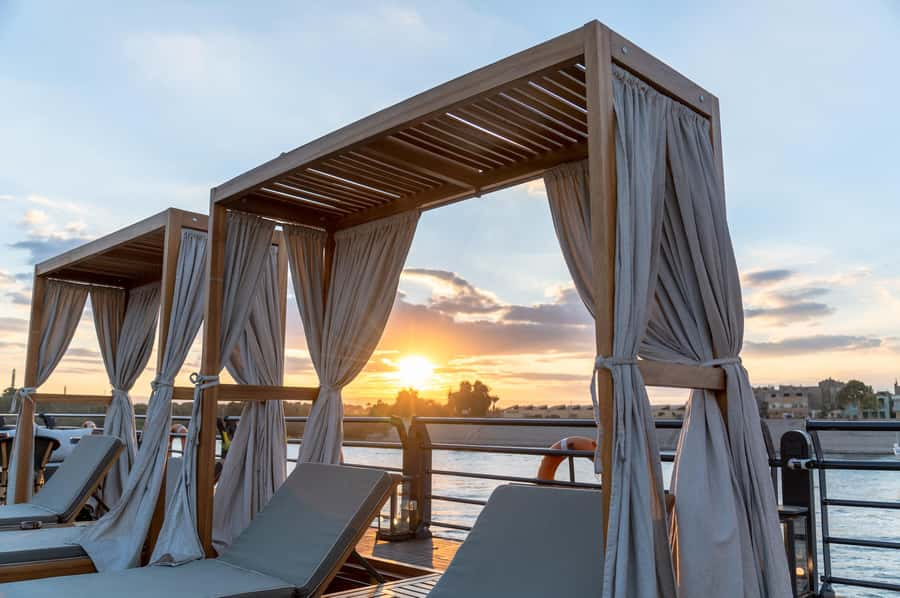
- Abu Simbel is the headline outing: You leave early, travel to one of Egypt’s most impressive temple sites, and return to the ship for lunch.
- The cruise links Aswan and Luxor: You avoid arranging separate hotels and long transfers for each stop.
- The balloon flight starts before sunrise: You must check out, leave your luggage at reception, and be ready before dawn.
- Philae requires a motorboat: The temple sits on an island, making the approach part of the experience.
- The price includes the big practical pieces: At $1,000 per person, you get three nights, meals, transfers, guiding, and several special activities, but entrance fees and drinks cost extra.
- Early mornings shape the trip: Abu Simbel, Edfu, and the balloon ride all demand a strong alarm clock.
What $1,000 buys you on this Nile cruise
At $1,000 per person, this is not a budget Nile sailing. It is a packaged four-day trip built around convenience, with three nights on board, breakfast, lunch, and dinner, private car transfers, an English-speaking guide, and transport between the main monuments.
You also receive two costly or awkward-to-arrange additions: the Abu Simbel outing and the sunrise balloon flight. The Edfu horse carriage ride is included as well. Entrance fees and drinks are not included, so your final spending will be higher than the headline price.
I see the value mainly in the time saved. You do not need to arrange a separate Aswan hotel, find transport to every temple, or work out how to get from the cruise to Luxor’s west bank. Your luggage stays on the ship until the last morning, then you collect it before being dropped at your Luxor hotel or the train station.
The tradeoff is control. A fixed schedule gets you to the main sights, but it leaves little room to linger. If you want long, quiet visits at each temple or extra time for photography, a longer cruise or a private custom itinerary may suit you better.
More hot air balloon rides in the Nile Valley:
- 4-Days Nile Cruise From Aswan To Luxor including Abu Simbel and Hot Air Balloon
★ 5.0 · 3,142 reviews - 4-Day 3-Night Nile Cruise from Aswan to Luxor&Abu Simbel+Balloon
★ 5.0 · 2,023 reviews - 4-Day 3-Night Nile Cruise from Aswan to Luxor including Abu Simbel, Air Balloon
★ 4.5 · 612 reviews
Day 1: High Dam, Unfinished Obelisk, and Philae
Your first day begins with a morning pickup from your Aswan hotel. The route starts at the High Dam, one of the world’s largest embankment dams, built across the Nile at Aswan.
This stop gives you a useful piece of modern Egyptian history before the ancient sites take over. The dam changed the control of the Nile and helped protect communities from flooding, but it also changed the setting of several ancient monuments. Your guide may connect the dam with the relocation of Philae Temple, which is now reached by boat.
Next comes the Unfinished Obelisk in the old stone quarries. It is the largest known ancient obelisk, left attached to the bedrock after a flaw appeared in the stone. I like this stop because it shows the work behind Egypt’s polished monuments. You see the starting point rather than only the finished product.
Philae is the day’s most atmospheric visit. You reach the temple by motorboat, crossing to the island where the complex was rebuilt after the original site was threatened by rising water. The temple dates mainly to the reign of Ptolemy II in Egypt’s Greco-Roman period, so its design reflects a later chapter of Egyptian worship.
The island setting gives Philae a different feel from the roadside monuments. You have the water crossing, the approach by boat, and a temple filled with evidence of changing religious traditions. Your guide explains the gods, inscriptions, and later Roman additions, helping you read the stone instead of simply photographing it.
After Philae, you board the ship for lunch and settle into your room. Dinner is served on board. This is the least frantic evening of the trip, but you should still expect the next morning to begin early.
Day 2: Abu Simbel and the temple at Kom Ombo
Abu Simbel requires an early start. The journey is long enough that this is not a casual morning outing, but the payoff is one of the strongest sights in southern Egypt.
The two temples were built for Ramesses II and his queen, Nefertari. The enormous seated figures outside the main temple are made for scale and drama, while the interior rooms carry the political and religious message of the site. A guide helps you understand why the temples were built and points out the details that are easy to miss in the dim interior.
The Abu Simbel visit is arranged as a small-group tour. That gives you some structure without necessarily putting you into a large crowd, though the timing remains tight. If you want to study every relief at length, you may feel rushed. One practical tip is to listen carefully during the guided explanation, then use any free minutes for your own photographs.
You return to the ship for lunch and begin sailing toward Kom Ombo. This is when the cruise earns its place in the itinerary. Instead of spending the full day in a car, you can rest, eat, and watch the Nile pass from the boat.
Kom Ombo Temple is unusual because it is dedicated to two gods, Sobek, the crocodile god, and Horus the Elder. The divided design reflects that double dedication. It is a good site for learning how Egyptian temples could combine different cults and religious roles in one complex.
The temple visit takes place after arrival at Kom Ombo, followed by dinner on board. Since the Abu Simbel outing began early, fatigue can set in by this point. I would treat the sailing time as necessary recovery, not wasted time.
Day 3: Edfu by horse carriage
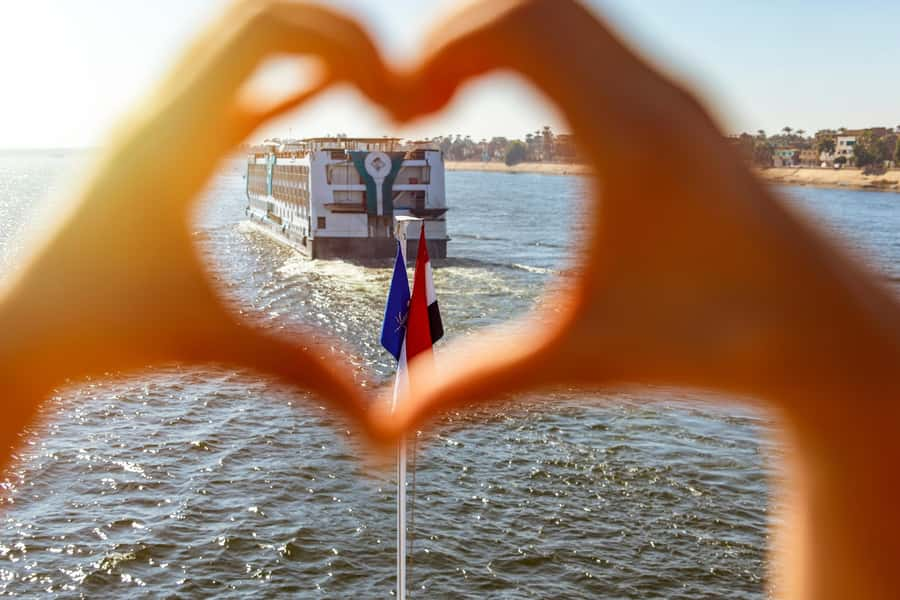
After breakfast, you leave for Edfu Temple by horse carriage. The ride is one of the trip’s more distinctive details, and it gives the morning a different rhythm from the motorboat at Philae or the private car used for other transfers.
Edfu’s temple is dedicated to Horus and dates to the Hellenistic period. It is one of the best-preserved temple complexes in Egypt, with a large pylon, courtyards, columns, and carved scenes that remain easy to read.
Your guide’s job matters here. Without context, the reliefs can blur into a long sequence of royal figures and gods. A clear guide can explain the recurring stories, the purpose of the temple rooms, and the way Greek rule shaped the period while Egyptian religious traditions continued.
Several guides have received strong praise for their explanations across the trip. Ahmed Sony has been described as funny, attentive, and able to answer many questions. Andro has been praised for calm storytelling, clear historical background, and considerate help. Heba was noted for fluent English and clear explanations at the Aswan sights, while Mido was praised for strong English and his background in Egyptian history.
That said, guide quality may vary by day. One account describes a rude guide at Edfu and poor communication about daily arrangements. I would confirm the next pickup time and meeting point each evening rather than assume the plan is obvious.
After Edfu, you return to the ship for dinner and your final night aboard. The cruise itself is part of the attraction, but this is not a slow, floating hotel experience. The sightseeing schedule drives the trip, and you will often be preparing for another early morning.
A few more days out in the Nile Valley to weigh up
- From Aswan: 4-Day Nile Cruise from Aswan to Luxor with Guide
★ 4.1 · 593 reviews - 4-Day 3-Night Nile Cruise from Aswan to Luxor – Private Tour
★ 5.0 · 369 reviews - 4 Days Nile Cruise from Aswan to Luxor including Abu Simbel and Hot Air Balloon
★ 4.5 · 356 reviews - 4-Day 3-Night Nile Cruise from Aswan to Luxor With Balloon and Abu Simbel
★ 5.0 · 327 reviews
Day 4: Sunrise balloon flight over Luxor

The final morning starts before sunrise. You check out, leave your luggage at the ship’s reception, and head for the balloon flight.
The balloon ride is the trip’s most unusual way to see Luxor. From the air, you can look down over the Nile area and the west bank as the light changes. It is a quiet contrast to the crowded entrances and busy roads around the monuments.
Children under six cannot join the flight because of civil aviation rules. If you are traveling with young children, this is important to settle before booking. The flight also depends on the early schedule, so do not expect a leisurely final breakfast before departure.
After landing, you visit the west bank sites. The Valley of the Kings is the main draw, with tombs cut into the hills for pharaohs of the New Kingdom. The exact tombs open to visitors can vary, and entrance fees are separate, so plan for extra costs.
The Mortuary Temple of Hatshepsut follows. Its broad terraces and cliffside setting tell the story of one of Egypt’s most famous female rulers. The site works best when your guide explains Hatshepsut’s unusual path to power and the political meaning of the temple.
You also visit the Howard Carter House, connected with the archaeologist who discovered Tutankhamun’s tomb, and the Colossi of Memnon. The two enormous statues make a quick but worthwhile stop, especially when you understand that they once guarded the entrance to a much larger mortuary temple.
The eastern side of Luxor brings two major temple complexes. Karnak Temple is vast and layered, with monuments built and altered over many centuries. Luxor Temple is more compact and often easier to grasp as a single ceremonial space. Seeing both in one day gives you a strong picture of ancient Thebes, but it also makes the final day very long.
After Luxor Temple, you return to the ship for your luggage and are dropped off in Luxor in the afternoon, either at the train station or your hotel. If you have a train to catch, allow room for delays and confirm the drop-off plan in advance.
The guides and communication matter

The strongest part of the human side of this experience is the guiding. Good explanations make Philae, Abu Simbel, Edfu, and Karnak far more rewarding. Ahmed Sony, Andro, Heba, Mido, Mustafa, Iman, and Adnan are among the guides associated with especially positive experiences.
Iman was praised for handling the High Dam and Philae clearly and for introducing local sweets. Mustafa gave a strong explanation at Abu Simbel. Adnan was described as enthusiastic, and one guide named Andro was especially helpful with both information and practical support.
You should still prepare for uneven communication. Pickup details and activity times may not always be explained well once you arrive. The safest habit is simple: ask who is collecting you, at what time, and where you should wait. If you receive a different guide from one day to the next, confirm the name and meeting point.
Spanish, German, or French guiding is available for an extra cost. English and Arabic are included, with French, German, and Spanish also listed among the available live guide languages. Ask specifically what language arrangement applies to your booking.
Cruise comfort, meals, and the small costs
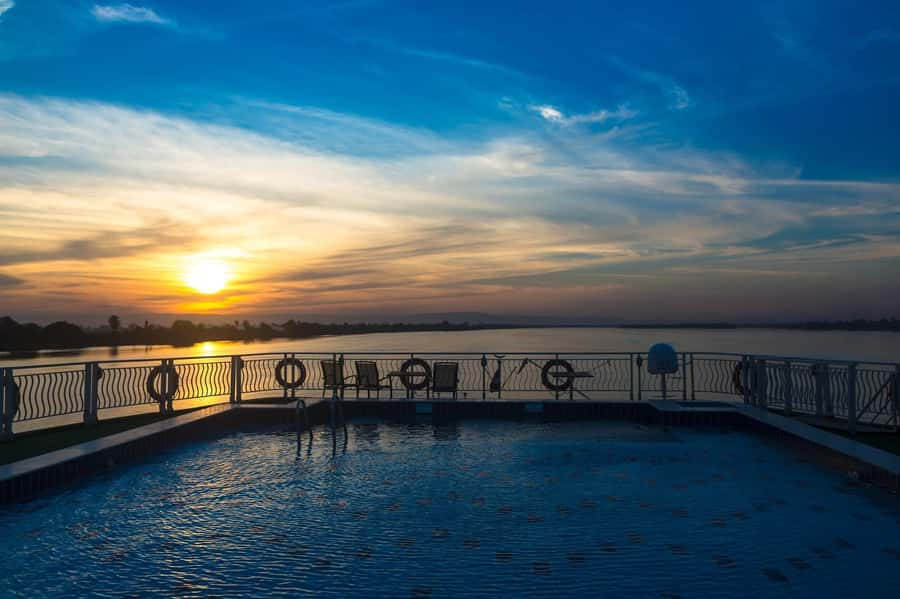
The cruise provides three nights of accommodation and all three daily meals according to the schedule. One deluxe booking received praise for attractive rooms and good food, but vegetarian choices were described as limited.
If you do not eat meat, ask about vegetarian options before you board. Do not assume that every meal will offer a wide selection. Drinks are not included, and all entrance fees are extra, so keep money aside for both.
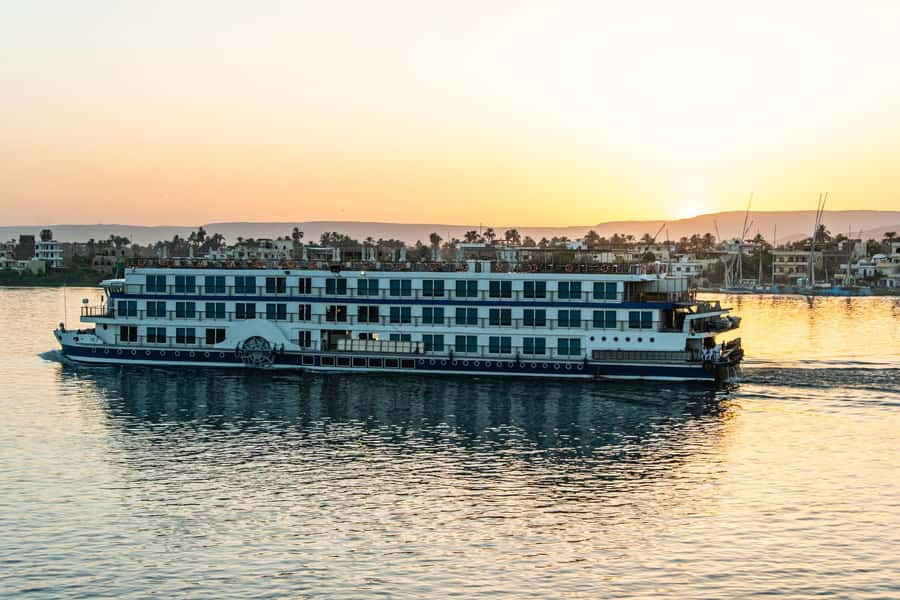
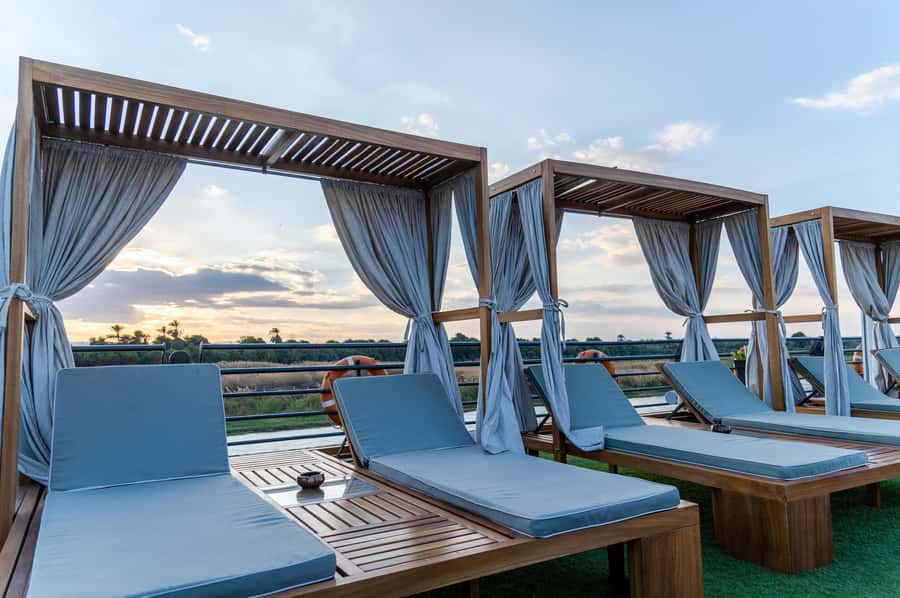
The boat gives you a practical base between sightseeing stops. You can unpack once rather than changing hotels each night, and sailing between sites breaks up the road travel. The comfort level depends on the cruise category you book, so check what room type your $1,000 rate covers.
Who should book this experience?
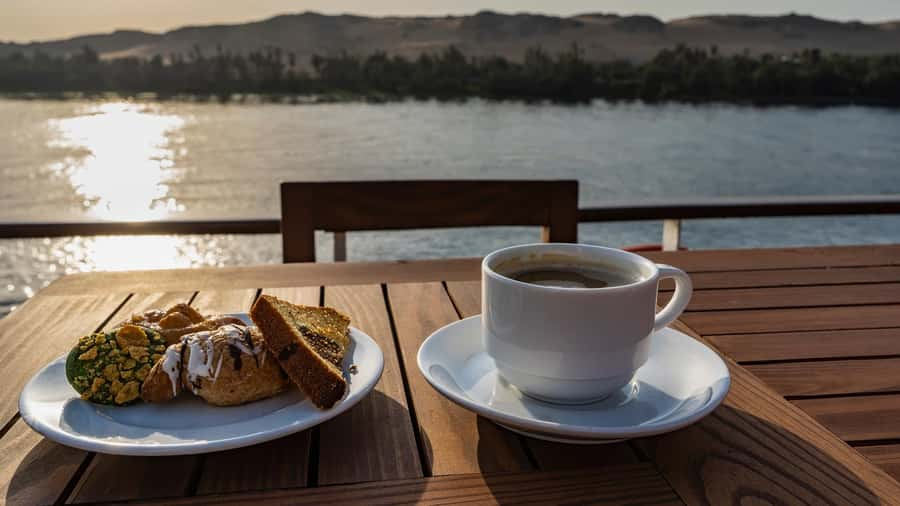
I would choose this trip if you want the major Aswan to Luxor sights in a tightly planned package and like the idea of sleeping on the Nile rather than moving between hotels. It suits first-time visitors who want guides, transfers, meals, Abu Simbel, and a balloon flight arranged together.
I would be more cautious if you need slow mornings, long time at each monument, or precise control over your daily schedule. Four days is enough to see a great deal, but you pay for that coverage with early alarms and short visits.
The strongest reason to book is the range: modern Aswan, island temples, Abu Simbel, river sailing, Edfu, Luxor’s west bank, and a balloon flight all fit into one trip. The strongest reason to hesitate is the pace. Confirm your pickup details, budget for entrance fees and drinks, and ask about vegetarian meals or language support before paying.
FAQ
How long is the Nile cruise?
The experience lasts four days and includes three nights of accommodation on board the cruise ship.
Where does the cruise begin and end?
It begins with pickup in Aswan and ends with drop-off in Luxor, either at the train station or your hotel.
Is Abu Simbel included?
Yes. The Abu Simbel visit is included as a small-group tour, with transport and a guide.
Is the hot air balloon flight included?
Yes. A sunrise hot air balloon ride is included on the final morning in Luxor.
Can children under six join the balloon flight?
No. Children under six cannot join the hot air balloon flight because of civil aviation rules.
Are entrance fees included in the price?
No. Entrance fees are not included and must be paid separately.
Are drinks included with the meals?
No. All types of drinks are excluded from the package.
What languages are available for the guide?
English and Arabic are available, along with French, German, and Spanish. Spanish, German, or French guiding may cost extra.
Just added in the Nile Valley
- Egypt 8 Days Cairo,Nile cruise,Luxor,Aswan from Cairo airport★ 5.0 · 79 reviews
- Private Tour: 7 Nights Pyramids & Nile Cruise +Flights from Cairo★ 4.5 · 157 reviews
- 8 Day Cairo Pyramids and Nile cruise and Alexandria All inclusive Private Tour★ 5.0 · 23 reviews
- 7 Days Egypt Tour Package to Cairo and Nile Cruise★ 5.0 · 62 reviews
- 6-Day Egypt Package, Nile Cruise from Aswan to Luxor by Flights★ 5.0 · 18 reviews
- Private 6-Days Egypt Tour Package with Nile Cruise by Flights★ 4.0 · 59 reviews
- Egypt in 9 Days from Saturday to Sunday including tours and Dahabeya Nile trip.★ 5.0 · 21 reviews
- From Cairo 4-Day Nile Cruise to Aswan by Flights& Hot Air Balloon★ 4.5 · 44 reviews
Hot Air Balloon Rides, compared.

Hot Air Balloon Ride in Luxor Egypt with Transfers Included
Read our review →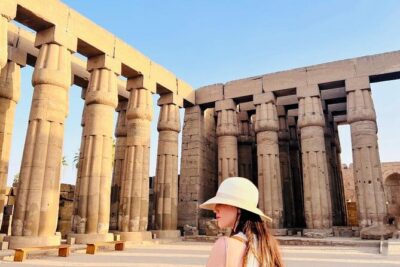
4-Days Nile Cruise From Aswan To Luxor including Abu Simbel and Hot Air Balloon
Read our review →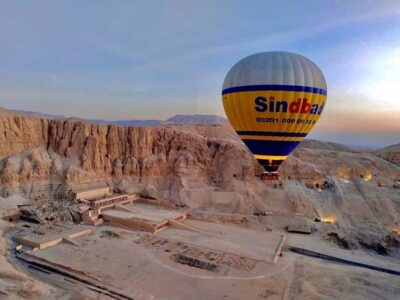
2-Day Luxor Tour with Hotel, Balloon, & Boat Ride
Read our review →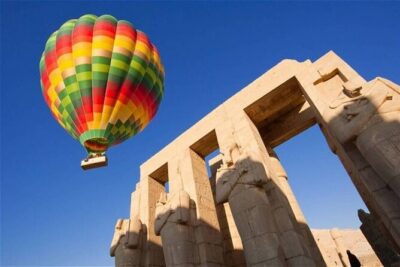
Sunrise Hot Air Balloon Over the Historical sites in Luxor
Read our review →
Sunrise Ballooning Luxor with Transfers Included
Read our review →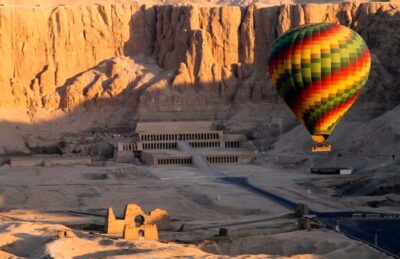
Hot Air Balloon Ride with Full-Day Sights Tour
Read our review →Browse the lists this tour appears in