
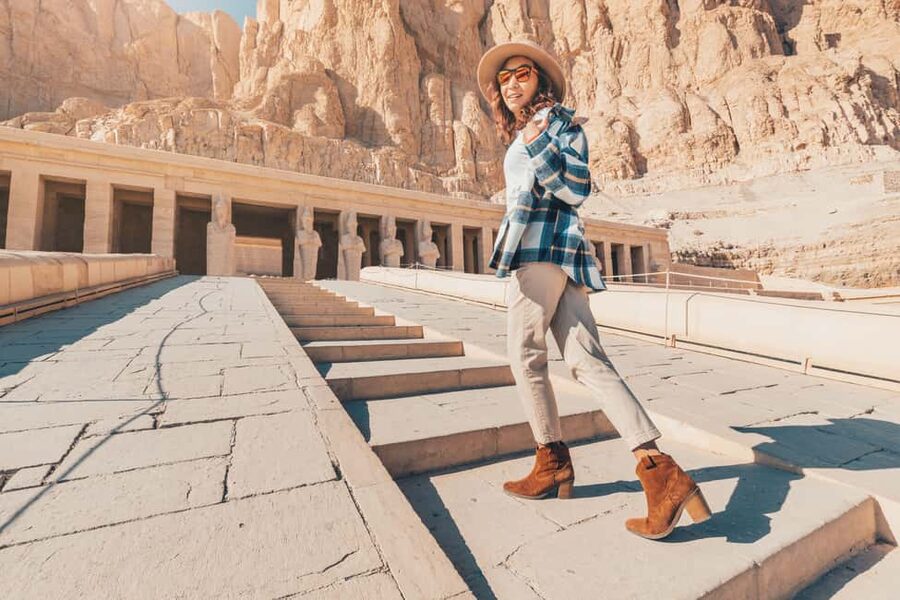
Reviewed · VALLEY OF THE KINGS TOURS
Luxor: Valley of the Kings and Hatshepsut Temple w/Nile Boat
Luxor’s ancient monuments are worth the long road from the Red Sea, and this full-day trip puts the main sights in one carefully packed day. You’ll walk through Karnak’s huge columned halls, enter royal tombs in the Valley of the Kings, and face the unusual terraces of Hatshepsut’s temple.
I like the small-group format, which gives guides such as Nana, Ahmed, Doa, and Shaban room to answer questions and help in the heat. I also like the optional Nile crossing, a calm break between the East Bank and West Bank sights. The drawback is the distance: expect an extremely early start and roughly four hours each way by road.
Key points to know before booking
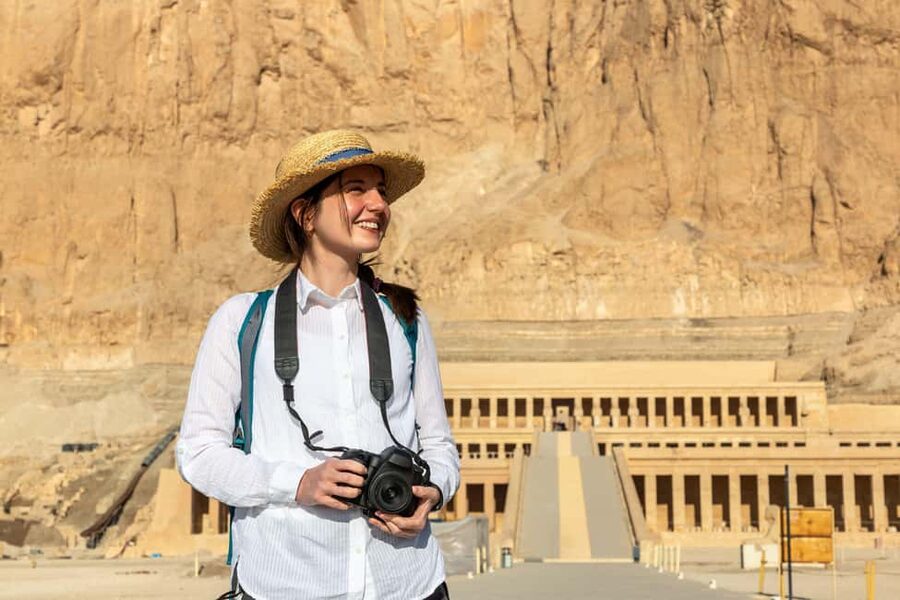
- Karnak comes first: See the Avenue of Sphinxes, towering columns, carved hieroglyphs, and the vast temple complex.
- The Valley of the Kings is the day’s main event: Your entry includes the valley, while Tutankhamun’s tomb requires the selected add-on.
- The Nile boat is optional: The crossing offers a pleasant pause, but confirm that it is included in your chosen option.
- Several guides receive exceptional praise: Nana is known for humor and lively stories, while Ahmed, Doa, and Shaban are praised for clear explanations and personal care.
- Lunch and drinks are built in: You get a restaurant lunch, plus water, cold drinks, and snacks, though you should request a hotel breakfast box the night before.
- The $90 price reflects convenience: You are paying for transport, entries, a guide, lunch, and support across a very long day, not just a sightseeing ticket.
Why this Luxor day trip is worth the long road
From Hurghada to Luxor, the road journey takes much of the day. That sounds tiring because it is, but Luxor holds the greatest concentration of ancient Egyptian monuments in the country. If you have only one chance to see the pharaohs’ temples and tombs, this trip gives you the essential route without arranging several separate taxis, tickets, and guides.
The tour is priced at $90 per person. Cheaper excursions exist, but price alone does not tell you what you are getting. Here, the cost covers an air-conditioned vehicle, a certified Egyptologist, the main site entries, lunch, hotel transport where available, and refreshments. A smaller group can also matter in Luxor, where a good guide makes the difference between looking at stones and understanding what you are seeing.
You should still book with realistic expectations. This is not a slow, leisurely day. The drive is long, the monuments are exposed to strong sun, and the schedule covers several major sites. Think of it as a focused introduction to Luxor, not a relaxed archaeological holiday.
More Temple Tours in Luxor
- Luxor Day Tour: Valley of Kings & Queens & Hatchepsut Temples
★ 5.0 · 1,496 reviews - Luxor: Valley of the Kings and Hatshepsut Temple Day Tour
★ 4.4 · 1,404 reviews - Hurghada: Luxor Tour with Valley of Kings, Karnak & Tut Tomb
★ 4.6 · 1,082 reviews
The early ride from the Red Sea
Pickup is arranged from your hotel in an air-conditioned vehicle, making the road journey far more comfortable than trying to piece together local transport. Some people reported that collecting everyone from different hotels took more than an hour in the morning, so the first part of the day can feel slow before the main drive even begins.
You should ask your hotel reception for a breakfast box the evening before. The activity information advises this, and it is sensible. The tour includes snacks, cold drinks, and water, but the exact breakfast arrangement should not be assumed. Bring your own small supply of food if you need a proper meal early in the morning.
The vehicle is an important part of the value here. After walking across temple grounds and standing in the sun, you will appreciate having an air-conditioned place to rest. One practical improvement would be a fixed meeting point for hotel pickups, but that is not how every departure is organized.
Pickup information needs special attention if you are staying outside central Hurghada. The tour is described as running from Hurghada, Sahl Hasheesh, and Makadi, yet pickup from Makadi, Sahl Hasheesh, El Gouna, Soma Bay, and Safaga is listed as excluded. Confirm your exact pickup point and any extra transfer cost before paying. Clear communication is especially important for an early departure.
Karnak Temple and the Avenue of Sphinxes
Karnak is the right place to begin because its scale gives you an immediate sense of ancient Thebes. The route includes the Avenue of Sphinxes and the main temple area, where enormous columns, carved walls, and open courtyards make the complex feel more like a city than a single monument.
Your guide is most useful here. Without context, the columns can blur into one grand view. With a clear explanation, you begin to notice how the temple grew over time and how the carved scenes express royal power, religious belief, and ceremonial life. Guides such as Nana are praised for using humor and lesser-known stories, while Ahmed and Doa are noted for explaining the architecture and history in an easy-to-follow way.
Karnak is also where the heat begins to matter. You will spend time outside, with limited shade in some areas. Wear comfortable shoes, a hat, and sunglasses. Water is essential, and the supplied drinks are more than a small luxury on a hot day.
Allow yourself enough attention for the details. The largest columns attract the eye, but the smaller carvings and hieroglyphs reward a closer look. Ask your guide questions rather than rushing from one photo stop to the next. A small group helps here because it is easier to hear and easier to stay involved.
Crossing the Nile to the West Bank
After Karnak, the itinerary crosses from Luxor’s East Bank to the West Bank. The Nile boat is optional, so check your selected booking option rather than assuming it is automatically part of every package.
The crossing is brief compared with the road journey, but it changes the rhythm of the day. After the crowds, stone, and sun at Karnak, the river provides a quieter moment. You get a different view of Luxor and a useful sense of how the city’s major sites sit on opposite sides of the Nile.
The East Bank was associated with the living city and major religious centers, while the West Bank became the setting for royal tombs and mortuary temples. You do not need a long lecture to grasp the contrast. The boat ride simply makes the geography feel real.
If you prefer to keep the schedule moving, the optional nature of the crossing gives some flexibility. If you value small local experiences, I would choose it. It is one of the most pleasant transitions in a day otherwise dominated by driving and monuments.
More Valley of the Kings tours in Luxor:
- Hurghada: Luxor Valley of the Kings & Tutankhamun Tomb Trip
★ 4.7 · 13,208 reviews - Luxor Day Trip from Hurghada Small Group & Tutankhamun Tomb
★ 4.8 · 5,366 reviews - Small group Hurghada to Luxor, Valley of the Kings by Van
★ 4.5 · 2,470 reviews - Hurghada: Small-Group Luxor Highlights & Tut Tomb Day Tour
★ 4.6 · 928 reviews
The Valley of the Kings and the tombs
The Valley of the Kings is the strongest reason to make the trip. Here, the pharaohs were buried in hidden rock-cut tombs rather than in the open pyramids associated with earlier periods. Your entry includes the Valley of the Kings, where you can see painted scenes, hieroglyphs, and the narrow passages leading into the tombs.
The experience is physical. You may walk over uneven ground, climb into tomb entrances, and deal with heat. The tour is not suitable for people with mobility impairments, back problems, heart problems, or for pregnant women, according to the activity information. Comfortable shoes are not optional.
The painted decoration is what makes the tombs special. Rather than expecting grand halls above ground, you enter spaces built for the afterlife, with walls covered in symbolic figures and religious scenes. Your guide can explain what you are looking at and why the imagery mattered.
Tutankhamun’s tomb is available only if you choose that option or add-on. Do not assume the standard Valley of the Kings ticket includes it. The young pharaoh’s tomb is famous because of the discovery of his burial treasures, but the additional visit is a separate choice within this tour.
The valley can become crowded, and guides may help you choose a sensible order or point out better moments for photographs. Ahmed is specifically praised for knowing useful spots and times to avoid some of the crowds. Still, conditions change, so treat this as practical help rather than a promise of an empty site.
Hatshepsut’s terraces and the Colossi of Memnon
The Temple of Hatshepsut offers a sharp contrast to the underground tombs. Built into the cliffs, its broad terraces rise in clean levels and create one of Luxor’s most recognizable views. Hatshepsut was one of Egypt’s most important female pharaohs, and the temple gives your guide a chance to explain her unusual path to power.
The preserved artwork and reliefs add detail to the wide, formal design. Look at the relationship between the terraces, the cliffs, and the long approach. This is a place where the setting matters as much as the carved walls.
The stop at the Colossi of Memnon is shorter, but it earns its place. Two huge seated statues once guarded the entrance to the temple complex of Amenhotep III. The wider complex has largely disappeared, leaving the statues isolated against the open surroundings. You will not spend as long here as at Karnak or the Valley of the Kings, but it is an easy and memorable photo stop.
The order of these West Bank visits may vary. What matters is the contrast: tombs below the desert surface, a temple rising toward the cliffs, and giant statues marking a vanished complex.
Lunch, refreshments, and the pace of the day
Lunch is served at a local restaurant in Luxor. It gives you a proper break after the morning sites and is included in the price. Do not expect lunch to turn the day into a relaxed food tour. Its main value is practical: you can sit down, eat, and regain energy before the remaining visits and long return drive.
Water, cold drinks, and snacks are provided during the day, with the information specifically noting refreshments on the way back. Because the schedule begins early, request a breakfast box from your hotel the previous evening. This small preparation can make a major difference.
The heat is a serious part of the experience. Bring a hat, sunglasses, comfortable shoes, and cash. A small bag is more practical than luggage, and large bags are not allowed. Smoking is also not allowed during the activity.
One guide, Shaban, was especially attentive when a participant felt unwell and even gave out ice cream, chips, and a scarab souvenir. You should not book expecting gifts, but this kind of personal care is valuable on a demanding day. The team also includes tour leaders and drivers who help keep the group moving and supported.
The guides make the difference
The strongest feature of this experience is the guiding. Nana is repeatedly singled out for her humor, energy, and ability to turn stories about kings and queens into something easy to remember. She also helps protect the group from persistent sellers, which can make the stops feel less stressful.
Ahmed is praised for clear explanations, patience, and a friendly manner. Doa receives similar praise for explaining Egyptian architecture and history in a way that keeps the sites approachable. Shaban is noted for taking his time, helping people personally, and looking after anyone who feels unwell.
Guide assignment is not guaranteed, so you should not book on the assumption that one named person will lead your group. Still, the pattern is encouraging: the experience depends heavily on guides who can explain the monuments, manage a hot day, and add humor without turning the visit into a performance.
Language support is available in English, German, and Arabic, with French and other languages available by request or as an add-on. Confirm language arrangements before booking if this is important to you.
Who should book this trip?
I would choose this tour if you are staying in Hurghada or nearby and want to see Luxor without arranging a private vehicle, site tickets, lunch, and an Egyptologist separately. It suits first-time visitors who want the major monuments explained in one day and prefer a small group to a large coach outing.
It is also a good fit if you value support. The guides help with history, directions, timing, and the general pressure of a hot sightseeing day. The air-conditioned vehicle and refreshments are meaningful when the return drive still lies ahead.
I would think twice if you dislike early starts, long road journeys, or tightly packed itineraries. It is not suitable for pregnant women or people with serious mobility, back, heart, or related physical concerns. Anyone needing a slower pace may prefer to stay overnight in Luxor instead, though that is not offered within this activity.
Keep your expectations clear about the optional items. The Nile boat and Tutankhamun’s tomb are not necessarily part of the basic package. Check the exact option before booking so the price and schedule match what you want.
Should you book the $90 Luxor tour?
Book it if Luxor is high on your list and you are willing to trade a very long day for a strong first look at the ancient sites. For $90, the combination of transport, guide, entries, lunch, drinks, and group support is fair, especially when you value organization and do not want to manage the logistics yourself.
I would not book it for a quiet day or a deep archaeological study. The road is long, the heat is real, and the itinerary moves quickly. But for a well-supported introduction to Karnak, the Valley of the Kings, Hatshepsut Temple, the Colossi of Memnon, and possibly the Nile crossing, this is a practical choice. Request your breakfast box, confirm pickup, bring sun protection, and check the optional add-ons before you go.
FAQ
How much does the Luxor tour cost?
The listed price is $90 per person.
Which sights are included?
The tour includes Karnak Temple, the Valley of the Kings, Hatshepsut Temple, the Colossi of Memnon, a Luxor city tour, lunch, and hotel pickup and drop-off where the service applies.
Is Tutankhamun’s tomb included?
Tutankhamun’s tomb is included only if you select the relevant option or add-on.
Is the Nile boat crossing included?
The Nile crossing by boat is optional. Check the option you select when booking.
What languages are available?
English, German, and Arabic are available. French and other languages may be arranged upon request as an add-on.
What should I bring?
Bring your passport or ID card, comfortable shoes, sunglasses, a hat, and cash. Large bags and luggage are not allowed.
Is hotel pickup available everywhere?
Pickup from Makadi, Sahl Hasheesh, El Gouna, Soma Bay, and Safaga is listed as excluded. Confirm your exact pickup point and any required transfer arrangement before booking.
Just added in Luxor
- Private Trip To Luxor from Cairo by Plane★ 5.0 · 22 reviews
- Luxor Private Day Trip from Cairo by Plane★ 4.5 · 69 reviews
- Private Day Tour To Luxor from Cairo by Plane,Tours,Sailing Felucca,Camel&Lunch★ 5.0 · 45 reviews
- Private Day Tour To Luxor from Cairo by Plane★ 4.5 · 41 reviews
- Package 8 Days 7 Nights To Jewels of Egypt, Luxor & Aswan Tour★ 5.0 · 29 reviews
- Package Cairo & Alexandra & Luxor & Aswan★ 5.0 · 39 reviews
- Overnight Luxor Tours by train from Cairo with Hot Air Balloon and much more★ 5.0 · 29 reviews
- Private Luxor Day tour from Cairo by Flight★ 5.0 · 25 reviews
Valley of the Kings Tours, compared.

Luxor Valley of the Kings & Tutankhamun Tomb Trip
Read our review →
Small group Hurghada to Luxor, Valley of the Kings by Van
Read our review →
Luxor Day Tour: Valley of Kings & Queens & Hatchepsut Temples
Read our review →
Small-Group Luxor Highlights & Tut Tomb Day Tour
Read our review →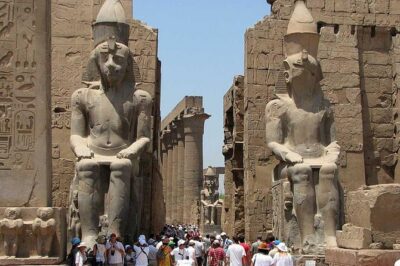
Valley of Kings, Hatchepsut Temple ,Karnak & Luxor-DayTour
Read our review →Browse the lists this tour appears in