
Reviewed · VALLEY OF THE KINGS TOURS
Luxor: West & East Banks & Tut’s Tomb Private Full-Day Tour
Luxor’s best ancient sights are spread across both sides of the Nile, and this private day tour packs the major ones into one well-planned route. The big prize is the Valley of the Kings, where you visit three tombs and have the chance to enter Tutankhamun’s famous burial chamber.
I like the private format because your guide can adjust the pace, give you time for photos, or linger at a temple that catches your eye. I also like the practical setup: hotel pickup, an air-conditioned car, printed tickets, lunch, and a driver who waits at each stop.
The main caution is the wording around entry fees. Admissions are listed as included, but one recent booking specifically found Tutankhamun’s tomb required an extra 700 Egyptian pounds, and special tombs such as Ramses V and VI may also cost more. Ask before you go.
Key points at a glance
- Three royal tombs in the Valley of the Kings: Tutankhamun is included in the planned route, but confirm its separate entrance charge.
- Both sides of the Nile in one day: The route covers the West Bank’s tombs and temples, then Karnak and Luxor Temple on the East Bank.
- Private pacing: Guides such as Mina, Manal, Salma, Nelly, and Mahmoud Issa have adjusted timing for individual interests and photo stops.
- Lunch with local flavor: The meal is served at a local restaurant, with buffet-style food reported by several customers. Drinks cost extra.
- Eight busy hours: Expect a full day and plenty of walking, with one booking reporting about 13,000 steps.
- Strong guide service: The most praised feature is the guides’ clear storytelling, patience, and ability to explain ancient Egyptian beliefs in plain English.
Why this Luxor day works so well
I see this tour as a practical answer to one of Luxor’s biggest problems: the sights are extraordinary, but they are not clustered together. The Valley of the Kings, Valley of the Queens, and Hatshepsut Temple sit on the West Bank. Karnak and Luxor Temple are on the East Bank. Seeing them independently means arranging transport, tickets, and timing across a long day.
Here, your driver handles the road and your guide handles the sites. You are picked up at your Luxor hotel, cross between the main areas, and return to the same city at the end. For a first visit, that removes a lot of friction.
The tour is private, not a large coach outing. That matters in Luxor. You can ask why a tomb was built in a certain valley, stop to take another photo, or request a little more time at Karnak. Several guides, including Mina, Manal, Nelly, and Mahmoud Issa, were praised for giving people room to explore after explaining the main points.
The day is still tightly packed. You will see a lot, but you will not have time to study every carved wall at length. If you want a slow archaeological visit, split the sights over two days. If you have only one full day in Luxor, this route makes good use of it.
More Valley of the Kings tours in Luxor:
- Hurghada: Luxor Valley of the Kings & Tutankhamun Tomb Trip
★ 4.7 · 13,208 reviews - Luxor Day Trip from Hurghada Small Group & Tutankhamun Tomb
★ 4.8 · 5,366 reviews - Small group Hurghada to Luxor, Valley of the Kings by Van
★ 4.5 · 2,470 reviews
Valley of the Kings: the day’s essential stop
The West Bank begins with the Valley of the Kings, also known as the Valley of the Gates of the Kings. This is where many New Kingdom rulers were buried in hidden rock-cut tombs rather than in the open pyramids associated with earlier royal burials.
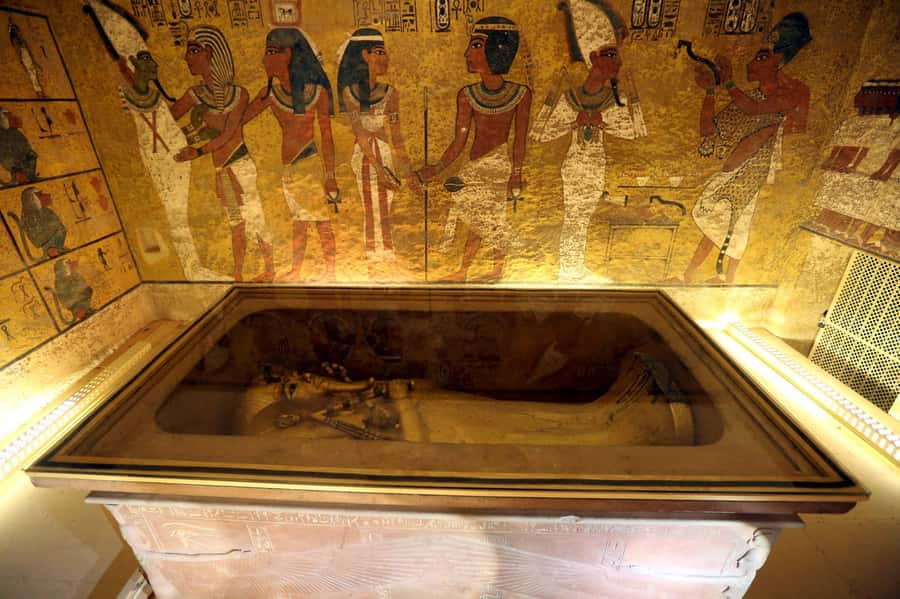
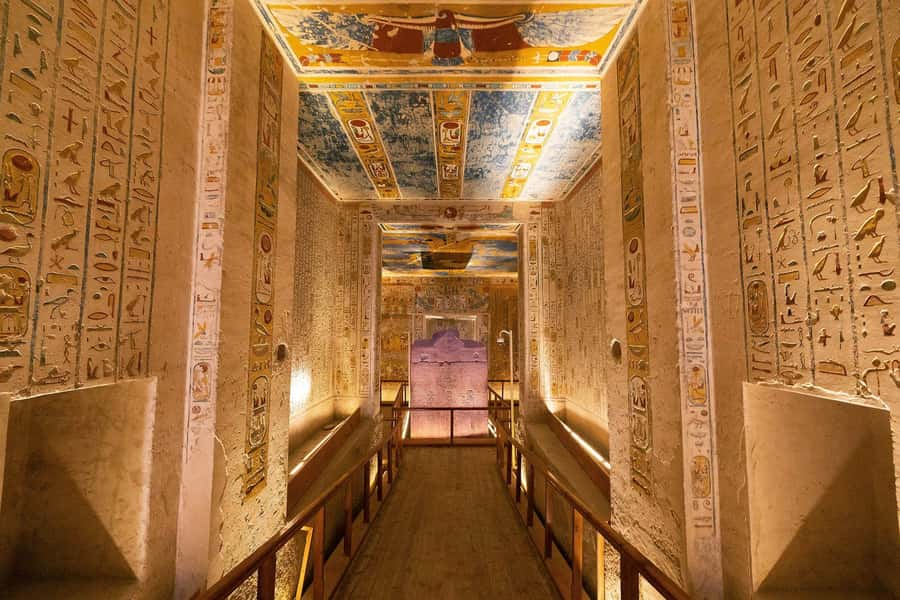
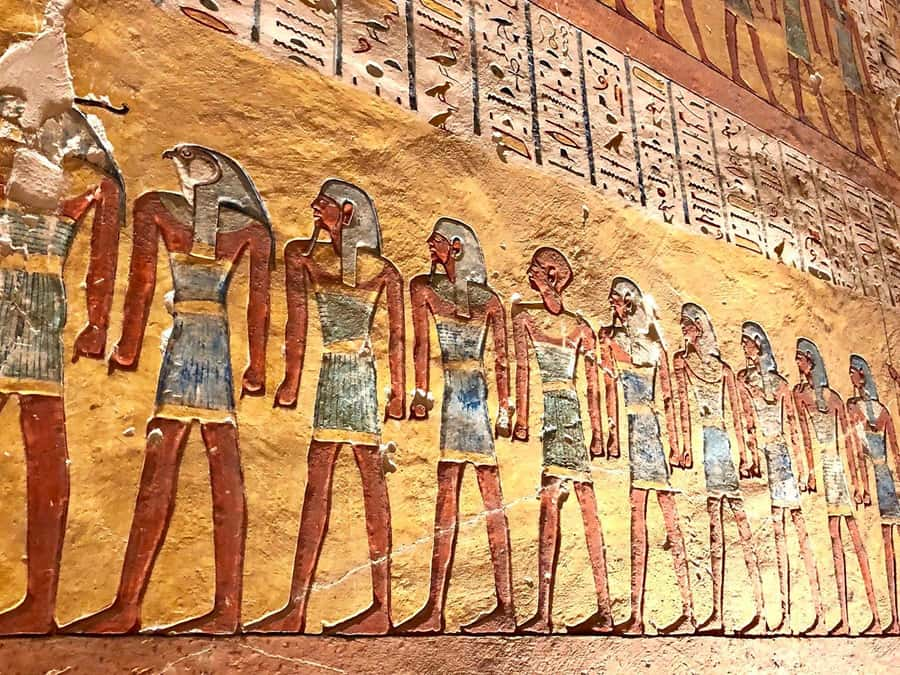
You visit three tombs in the valley, including Tutankhamun’s. The setting is stark and dry, which makes the painted interiors even more striking. Once inside, you can see how the decoration was meant to guide a pharaoh through the afterlife, with scenes, symbols, and figures covering the walls.
Tutankhamun’s tomb is famous less for its size than for the extraordinary discovery made there. The burial chamber is relatively modest compared with some royal tombs, but its connection to the young king and Howard Carter’s 1922 discovery gives it a special pull.
Here is the important ticket detail: the tour information says entry fees are included, but a booking from December 2025 reported paying an additional 700 Egyptian pounds for Tutankhamun’s tomb. The same person recommended paying extra for the tombs of Ramses V and VI, whose painted decoration was described as especially well preserved.
I would confirm the current arrangement before departure. The standard valley admission and the special-tomb supplements may be handled differently. The guide can also help you decide if an additional tomb is worth the cost and time.
Plan for walking, steps, heat, and changing light levels. The guides are often praised for explaining the tombs first, then allowing time to look around and take pictures where permitted. Keep your expectations sensible: three tombs in two hours gives you a good introduction, not an exhaustive study.
Valley of the Queens: a different royal story
The Valley of the Queens brings a useful change of focus. Instead of concentrating on kings, you see burial places connected with queens, princesses, and other high-ranking members of the royal household.
This stop helps correct the usual first impression of ancient Egypt as a story told only through male rulers. The tombs show how royal women were part of the same religious world and received carefully prepared passages into the afterlife.
The scheduled visit lasts about an hour. That is enough to see the main features with a guide, but not enough to inspect every available tomb in detail. Your guide’s explanation is especially useful here because the remains can be less immediately overwhelming than Karnak’s massive columns or Hatshepsut’s terraces.
The route includes both valleys, which gives the day more depth than a simple king-focused tour. You get royal burials, religious ideas, and a better sense of how the western desert was used as a sacred cemetery.
Hatshepsut Temple and the cliffs of Deir el-Bahari
The Mortuary Temple of Hatshepsut is one of the most memorable stops on the West Bank. Its three broad terraces rise from the desert toward the cliffs of Deir el-Bahari, creating a strong contrast between straight architectural lines and the natural rock behind them.
Hatshepsut ruled as king, even though she was a woman, and the temple presents her authority in a formal royal language. Your guide can explain how images and inscriptions supported her claim to the throne and linked her rule to the gods.
This is a good place to pause for the shape of the building itself. The temple is not just a collection of carved walls. Its terraces, ramps, columns, and cliff setting were planned as one composition. Even visitors who are less interested in dynastic detail usually find the scale easy to appreciate.
The scheduled hour is enough for a guided walk and photographs. In the summer heat, the open terraces can feel demanding, so bring water and use the shade where available. Several bookings specifically praised guides for planning rest breaks and keeping people hydrated during hot weather.
A few more days out in Luxor to weigh up
- Luxor: Shared Full-Day Tour to Luxor West and East Banks
★ 4.5 · 1,812 reviews - Full Day Tour to East and West Banks of Luxor
★ 5.0 · 1,449 reviews - Luxor : Full Day Tour to Luxor West and East Banks & Lunch
★ 5.0 · 870 reviews - Full Day Tour of Luxor West Bank Temples and Tombs (Private)
★ 5.0 · 722 reviews
Colossi of Memnon: a brief but worthwhile pause
The Colossi of Memnon are two huge seated statues associated with the mortuary temple of Amenhotep III. The temple itself has largely disappeared, but the surviving figures still show the scale of royal building projects on the West Bank.
The stop lasts about 30 minutes, so think of it as a photo and context break rather than a long visit. Your guide can explain what the statues represented and why the site became known by the name Memnon.
This short pause also breaks up the longer morning. You can step out, look closely at the stonework, and hear the story without committing another hour to a large temple complex.
Local lunch with a West Bank view
Lunch comes after the West Bank sights at a local restaurant. The meal is included, and several bookings describe it as buffet-style or traditional Egyptian food. One restaurant was praised for its terrace overlooking the greenery around the West Bank, a welcome change after the dry valleys and open temple sites.
Drinks are not included, so keep some Egyptian pounds available. The reviews describe drinks as affordable, but the exact price and menu can change.
This meal is more than a pause to refuel. A full day of tombs and temples can be physically tiring, especially from June through August. The lunch gives you a chance to sit, cool down, and reset before the East Bank temples.
Dietary requests may be possible, but the supplied information only confirms one case where different rice was prepared for a gluten-free diner. Tell the provider in advance rather than assuming every request can be handled on the day.
Karnak Temple: allow the scale to sink in
Karnak is the largest and most demanding site on the route. It was not built by one ruler in one period. Generations of pharaohs added pylons, courts, columns, sanctuaries, and sacred spaces, creating a vast temple complex dedicated mainly to Amun, along with his wife Mut and their son Khonsu.
The connection between these three gods represents the Theban Triad. Your guide will explain how the complex worked as a religious center and how the temple’s different sections reflected changing royal power.
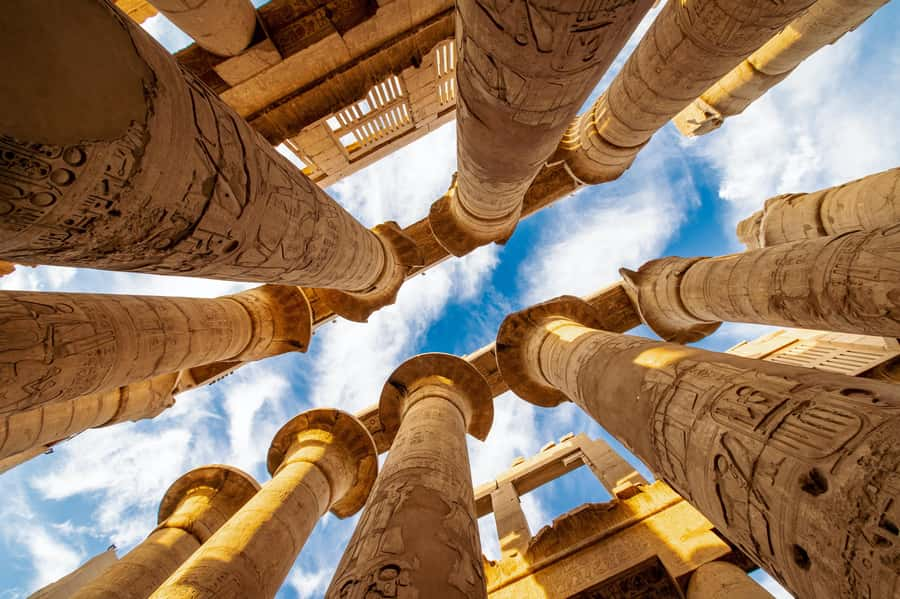
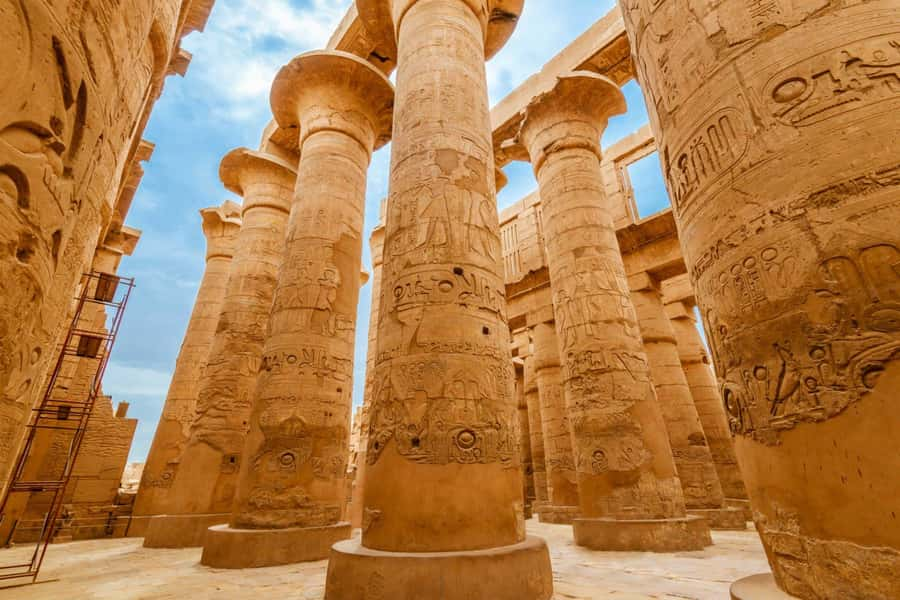
The Great Hypostyle Hall is the visual star for many people. Its forest of enormous columns makes human beings look very small, and the surviving reliefs show the skill of ancient Egyptian stoneworkers. Take time to look up, but also look down and around. The scale is easy to remember, while the smaller inscriptions and carved figures provide the detail.
The scheduled two hours sounds generous, but Karnak can absorb far more time. One booking specifically noted that the visit did not feel rushed but still was not enough for a full return visit. I agree with that assessment. Use the guide’s walk to understand the main plan, then take your free time for pictures and closer looks.
Karnak is also where a private tour earns its keep. A guide can point out the difference between a pylon and a columned hall, explain which ruler added a section, and prevent the site from becoming a blur of huge stones.
Luxor Temple: a fitting final chapter
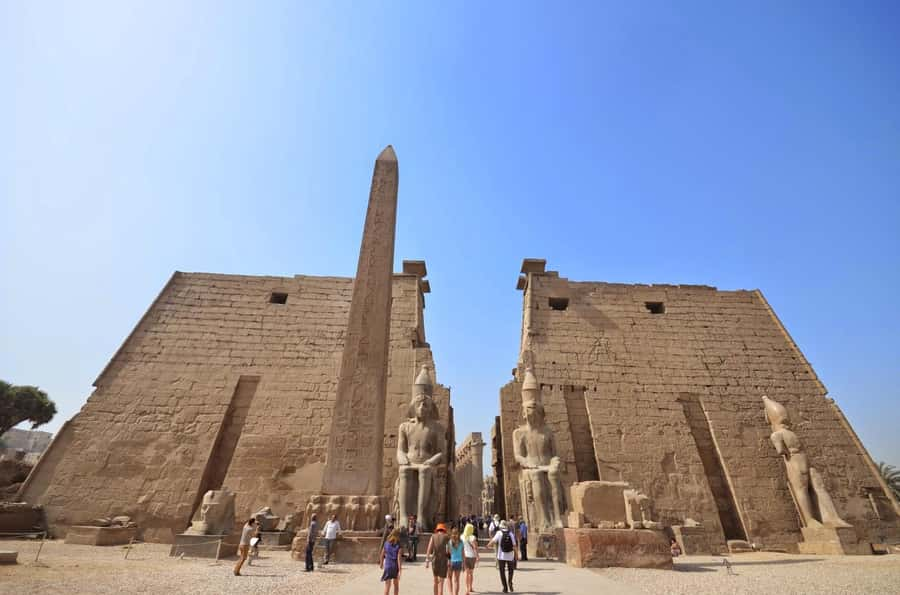
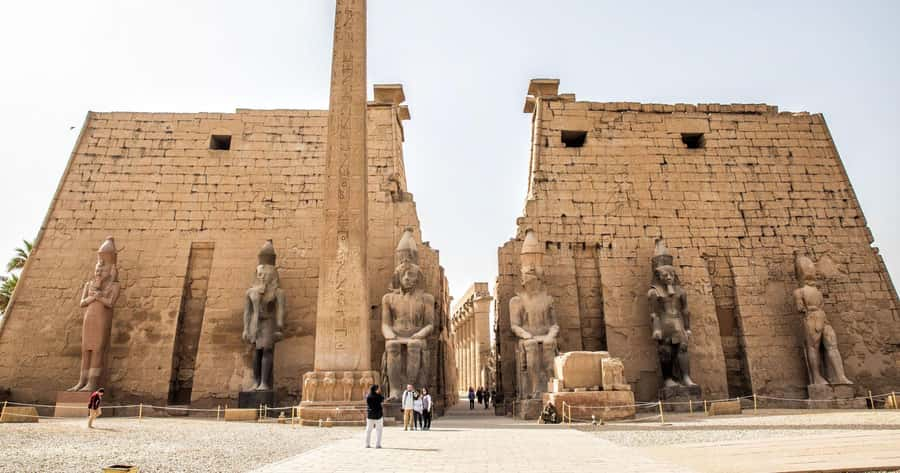
Luxor Temple closes the day on the East Bank. Amenhotep III began it, and Ramses II completed important later work. Unlike Karnak, which feels like a sprawling religious precinct, Luxor Temple has a more focused procession of gateways, courts, columns, and statues.
The temple’s connection with kingship and the renewal of royal power gives your guide plenty to explain. It was also linked to Karnak by an avenue of sphinxes, helping you understand that these were parts of one sacred urban center rather than unrelated monuments.
A one-hour visit is enough to walk through the principal areas and take in the architecture. The light can be especially attractive later in the day, though the exact timing depends on the tour’s pace and starting time.
Ending here works well. After the West Bank’s tombs and the immense spread of Karnak, Luxor Temple offers a final, concentrated look at royal building and religious ceremony before the short ride back to your hotel.
Guides, drivers, and the private experience
The guide makes a major difference on a history-heavy day. The strongest names in the booking feedback include Mina, Manal, Salma, Nelly, Mahmoud Issa, Remon, David, Asma, and Esraa. Their praised qualities were clear English, strong knowledge of ancient Egypt, friendly manner, patience, and good time management.
You should still remember that the exact guide is assigned rather than selected in advance. The listed languages are Arabic and English. If you need another language, this particular activity does not promise it.
The driver is also important. You spend part of the day moving between sites, and the reported service includes punctual hotel pickup, an air-conditioned car, safe driving, and the driver waiting near each entrance. One booking specifically praised the driver for opening the car doors, while others appreciated not having to wait after finishing a site.
Because it is a private group, you can discuss the pace with your guide. You may get extra photo time, adjust the order slightly, or spend less time at a stop that interests you less. That flexibility is one of the clearest reasons to choose this over a cheaper shared excursion.
Is $140 good value?
At $140 per person, this is not a budget sightseeing day, but the price covers a lot: hotel pickup and return, a private group, an English-speaking guide, transport, the listed entry fees, and lunch.
The value is strongest if you have limited time in Luxor or dislike arranging several separate rides and ticket purchases. You are paying for coordination as much as for transportation. A good guide also turns a wall of hieroglyphs into a story you can follow.
The value is less clear if you are staying several days and prefer slow visits. Karnak alone can justify a long morning, and the Valley of the Kings rewards careful attention. In that case, two shorter touring days may suit you better, even if they cost more.
Budget for drinks and possibly additional tomb tickets. The Tutankhamun charge is the key point to clarify, since the general inclusion wording and one recent booking do not match. That does not automatically make the tour poor value, but it does mean you should confirm the exact admission policy before booking.
Who should book this day
I would choose this tour if you have one or two days in Luxor and want the major sights handled in one go. It suits first-time visitors, solo travelers who want a private guide, couples, families with older children, and anyone who values an air-conditioned car and a flexible schedule.
It is also a good choice if ancient Egyptian history feels confusing at first. The guide can connect the tombs, gods, rulers, and temples so the day feels like one story rather than six unrelated stops.
I would be more cautious if you dislike heat, walking, or long sightseeing days. The route is busy, and one booking counted about 13,000 steps. Summer can be very hot, even with an air-conditioned vehicle between sites.
Bring water, sun protection, comfortable shoes, and cash for drinks or optional tombs. Ask about Tutankhamun’s admission before the day begins, and tell the provider about dietary needs ahead of time.
Should you book it?
Yes, if your priority is seeing the main West and East Bank sights efficiently with a private guide. The combination of Tutankhamun’s tomb, the two royal valleys, Hatshepsut Temple, Karnak, and Luxor Temple is hard to beat in one day.
Book it with realistic expectations. You will cover a lot, walk a lot, and sometimes wish you had another hour at Karnak. Confirm the special-tomb fees, then enjoy the convenience, strong guide service, local lunch, and freedom to shape the pace around your interests.
FAQ
How long does the Luxor private tour last?
The tour lasts eight hours, including hotel pickup, sightseeing, lunch, and the return to your hotel in Luxor.
Which sites are included?
The route includes the Valley of the Kings, Valley of the Queens, the Mortuary Temple of Hatshepsut, the Colossi of Memnon, Karnak Temple, and Luxor Temple.
Does the tour visit Tutankhamun’s tomb?
Yes, the planned visit includes Tutankhamun’s tomb in the Valley of the Kings. However, one recent booking reported paying an additional 700 Egyptian pounds for entry, so confirm the current charge before your tour.
How many tombs do you visit in the Valley of the Kings?
You visit three tombs in the Valley of the Kings, including the famous tomb of Tutankhamun.
Is lunch included?
Yes, lunch at a local restaurant is included. Drinks are not included and cost extra.
Is hotel transportation provided?
Yes. Hotel pickup and drop-off in Luxor are included.
Is this a private tour?
Yes. The activity is arranged for a private group rather than a shared group.
What languages does the guide speak?
The listed guide languages are Arabic and English.
Can I cancel the booking?
You can cancel up to 24 hours in advance for a full refund. The booking also offers reserve now and pay later.
Just added in Luxor
- Private Trip To Luxor from Cairo by Plane★ 5.0 · 22 reviews
- Luxor Private Day Trip from Cairo by Plane★ 4.5 · 69 reviews
- Private Day Tour To Luxor from Cairo by Plane,Tours,Sailing Felucca,Camel&Lunch★ 5.0 · 45 reviews
- Private Day Tour To Luxor from Cairo by Plane★ 4.5 · 41 reviews
- Package 8 Days 7 Nights To Jewels of Egypt, Luxor & Aswan Tour★ 5.0 · 29 reviews
- Package Cairo & Alexandra & Luxor & Aswan★ 5.0 · 39 reviews
- Overnight Luxor Tours by train from Cairo with Hot Air Balloon and much more★ 5.0 · 29 reviews
- Private Luxor Day tour from Cairo by Flight★ 5.0 · 25 reviews
Valley of the Kings Tours, compared.

Luxor Valley of the Kings & Tutankhamun Tomb Trip
Read our review →
Small group Hurghada to Luxor, Valley of the Kings by Van
Read our review →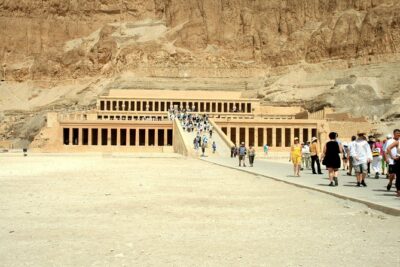
Luxor Day Tour: Valley of Kings & Queens & Hatchepsut Temples
Read our review →
Small-Group Luxor Highlights & Tut Tomb Day Tour
Read our review →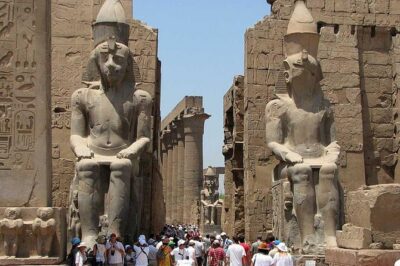
Valley of Kings, Hatchepsut Temple ,Karnak & Luxor-DayTour
Read our review →Browse the lists this tour appears in