
Reviewed · FELUCCA RIDES
Luxor: Private East and West Banks Tour and Felucca Cruise
Luxor packs an astonishing amount into one day, and this private tour gives you a practical way to connect its major sights. You cross from the tombs and temples of the west bank to Karnak and Luxor Temple on the east bank, then slow down on the Nile in a traditional felucca. The best part is the mix of grand monuments and quiet river views.
I like the private car and flexible pace, especially if you are traveling with children or want time for photographs. I also like the combination of the Valley of the Kings and Karnak Temple, since they show two very different sides of ancient Egypt: royal burial and public worship.
The main drawback is simple: eight hours is a lot of sightseeing in hot, exposed places. Bring extra water, sunscreen, and a hat. One included bottle may not be enough, especially in summer, and some stops at shops can be declined if you prefer to stay focused on the monuments.
Key points to know before booking
- Four major ancient sites in one day: Visit the Valley of the Kings, Hatshepsut’s temple, Karnak Temple, and Luxor Temple, with the Colossi of Memnon along the way.
- A private day makes a difference: Your guide and driver can adjust the pace, allow more photo time, and help with family needs.
- The felucca is the quiet pause: After the hot temple visits, sail the Nile in a traditional wooden boat with time to enjoy the river scenery.
- Guiding is the heart of the experience: Guides including Salma, Manal, Jackie, Mohamed Refaie, Asma Saber, and Ahmed Yossry have received especially warm praise for clear explanations.
- Lunch is included: The meal is at a local restaurant, and several visitors found the food better than expected, sometimes with a view of the Nile.
- Plan for heat and small expenses: Carry water, Egyptian pounds for tips and public toilets, and money for anything extra you choose to buy.
Why this private Luxor tour works well in one day
Luxor can feel scattered at first. The west bank sits across the Nile from the modern city, while Karnak and Luxor Temple are on the east bank. Arranging the main sights yourself means dealing with transport between each area, ticket counters, and the heat. This tour puts a private driver, guide, entrance fees, lunch, and a felucca trip into one $115 package.
That price is good value if you want to see the headline sights in a limited amount of time. You are not paying only for a car ride. You are paying for someone to explain why a painted tomb matters, point out details you might miss, and keep the day moving between widely spaced monuments.
The tour lasts about eight hours. That is enough time to see the major sites, but not enough to study every chapel, tomb, and column at length. I would choose this for a first visit to Luxor or for a short stay. If you have three or four days in town, you may prefer to split the monuments across separate mornings.
The private format is particularly useful for families, couples, and small groups with different energy levels. One guide, Manal, was praised for adapting the day to a family with a one-year-old. Another guide, Adam, adjusted the schedule for an early departure. That flexibility is harder to get on a large group bus.
More Felucca Rides in Luxor
- Hurghada: Over Day Tour to Luxor & Balloon Ride & Felucca
★ 5.0 · 380 reviews - Amazing Sunset sailing by Felucca in Luxor -2 Hours (Private)
★ 5.0 · 255 reviews - From Luxor: Dendera Temple All-Inclusive Tour & Felucca Ride
★ 4.2 · 207 reviews
Valley of the Kings: tombs instead of pyramids
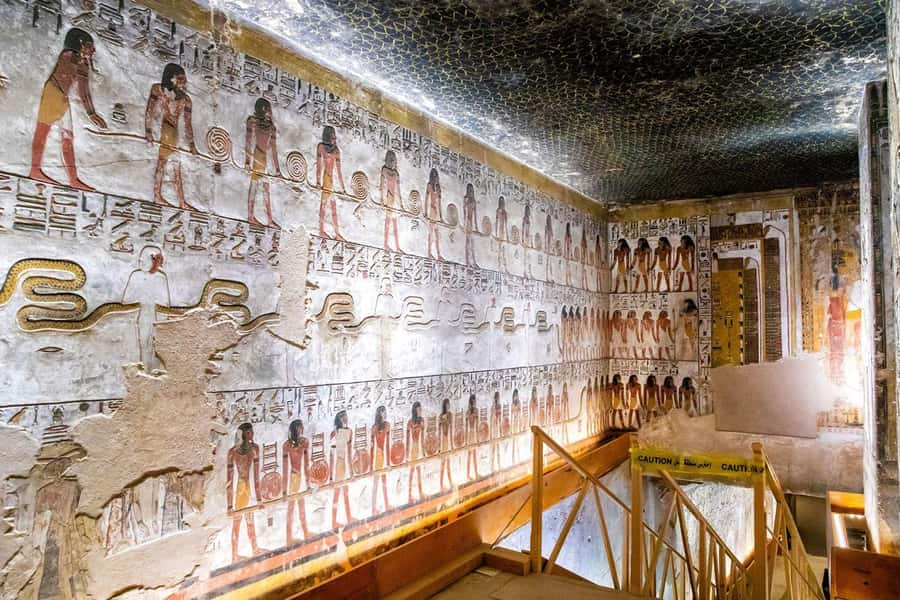
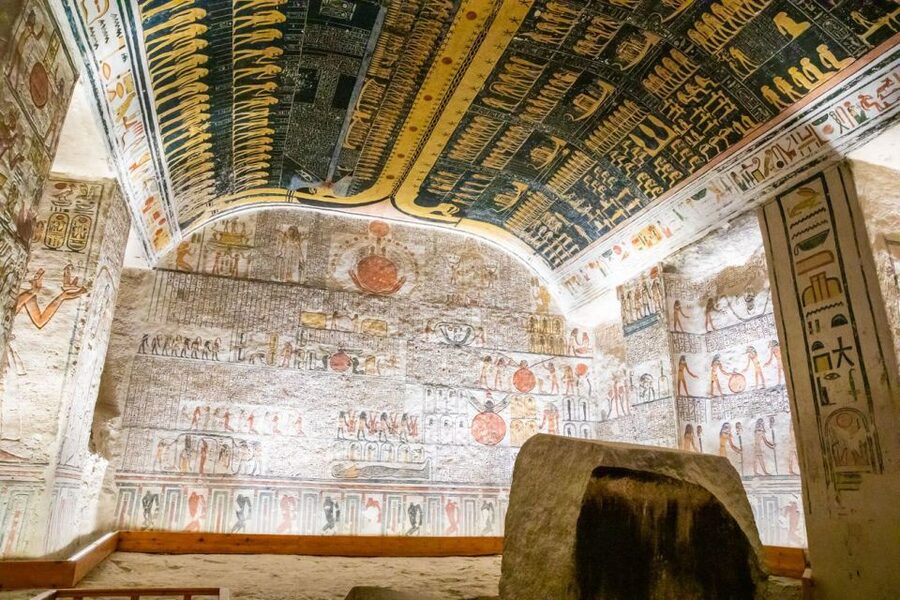
The day begins on the west bank, usually with the Valley of the Kings. This is the place to remember that ancient Egyptian burial architecture was not limited to pyramids. Here, royal tombs were cut into the desert hills, with corridors and chambers covered in images, symbols, and texts.
Your entrance fee covers the temples and sites listed in the tour, though individual tomb access can sometimes have separate rules or charges. Ask your guide which tombs are open and what is included before you enter. The guide can also help you notice the meaning behind the painted figures rather than treating the visit as a quick walk through decorated rooms.
The Valley is exposed, dry, and hot. There is little shade, so a hat and water matter. The ground can also make comfortable shoes worthwhile. The tour description says skip-the-ticket-line access is available, but site conditions can vary, so do not expect to walk straight into every tomb without any waiting.
The most useful part of having a guide here is context. A good guide can explain the difference between a tomb and a temple, identify important scenes, and show you what to look for in the wall paintings. Several guides praised during the experience, including Ahmed, Asma Saber, and Mohamed Refaie, are noted for explaining symbols and hieroglyphics in clear, engaging ways.
You will not see every tomb in the valley during this schedule. That is not a flaw so much as a time limit. The point is to see a strong selection and understand why the valley matters before moving on.
Hatshepsut’s three terraces at Deir el-Bahari
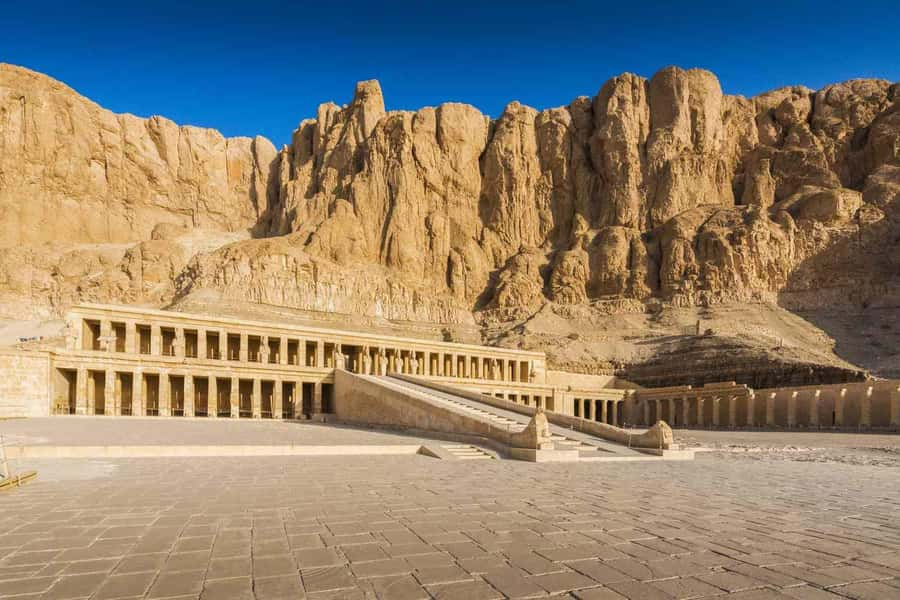
The next stop is the Mortuary Temple of Queen Hatshepsut, one of Luxor’s most striking settings. Three broad terraces rise from the desert toward the cliffs of Deir el-Bahari. The temple’s clean lines and dramatic position make it feel very different from the enclosed tombs you have just visited.
This is a good place to let your guide connect architecture with politics. Hatshepsut ruled as pharaoh, and the temple presents her authority through carved scenes, religious imagery, and carefully planned spaces. The supplied information does not specify every detail your guide will cover, but you can expect an explanation of the temple’s design and its place in ancient Egyptian worship.
The terraces are visually impressive, but the sun can be relentless. You may find shade near parts of the structure, but much of the approach is open. Bring sunscreen, cover your shoulders if comfortable, and keep water close rather than leaving it in the vehicle.
This stop also shows why a private vehicle helps. You can take time for photographs without holding up a larger group, then return to the air-conditioned car when you need a break. The tour is designed to keep the day moving, so do not expect a leisurely archaeological study of every wall.
The Colossi of Memnon and a local lunch
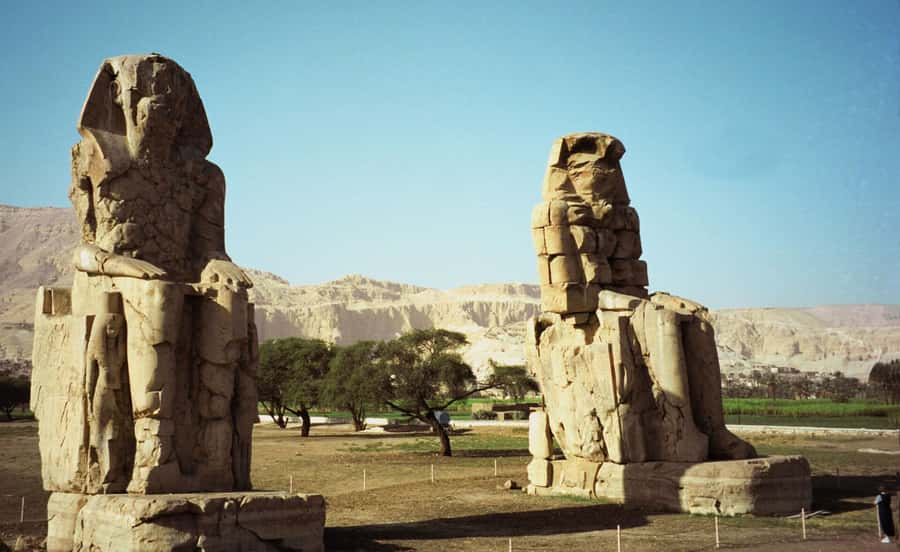
The Colossi of Memnon provide a short but worthwhile stop. These huge seated statues mark the area associated with the mortuary temple of Amenhotep III. The temple itself is largely gone, so the statues are the main surviving landmark.
This is often a quick photo stop, but your guide can explain what the figures represented and why such enormous statues were placed at a royal temple. It also gives you a chance to see the scale of the west bank’s ancient building projects without spending another long stretch inside a monument.
Lunch follows at a local restaurant. It is included in the price, which makes the $115 cost easier to assess. The meal is not described as a fine-dining event, and you should not book the tour for cuisine alone. Still, several people found the food delicious or better than expected, and one lunch was remembered for its Nile view.
A meal in the middle of the day is more than a convenience. It gives you a proper pause before the east-bank temples. If you have dietary needs, tell the operator when booking or at pickup. The supplied details do not specify a fixed menu, so it is sensible to ask what is being served.
A completely different sort of day in Luxor:
- Hurghada: Luxor Valley of the Kings & Tutankhamun Tomb Trip
★ 4.7 · 13,208 reviews - Luxor Day Trip from Hurghada Small Group & Tutankhamun Tomb
★ 4.8 · 5,366 reviews - Hot Air Balloon Ride in Luxor Egypt with Transfers Included
★ 5.0 · 4,319 reviews - Small group Hurghada to Luxor, Valley of the Kings by Van
★ 4.5 · 2,470 reviews
A felucca cruise for a slower hour on the Nile
The felucca ride changes the rhythm of the day. Instead of walking across stone courtyards or standing in the desert sun, you sit on a traditional sailing boat and watch Luxor from the river. The experience includes the felucca ride and time to relax with a drink.
Do not expect a large cruise ship with entertainment or a set program. A felucca is a simpler sailing boat, and the appeal is the open air, the movement of the Nile, and the chance to pause. The exact length of the ride is not stated, so treat it as a scenic break within the wider tour rather than a separate half-day cruise.
The timing may vary. In some schedules, the boat comes after lunch and before the east-bank temples. That can be a pleasant reset before more sightseeing, though the light and wind conditions will affect the feel of the ride.
This is one of the most authentic parts of the day because it is not another monumental site to tick off. You get a view of Luxor’s riverfront and a better sense of how the Nile shapes the city. Keep your phone and camera secure, and remember that the boat is exposed to the sun.
Karnak Temple and the scale of ancient worship
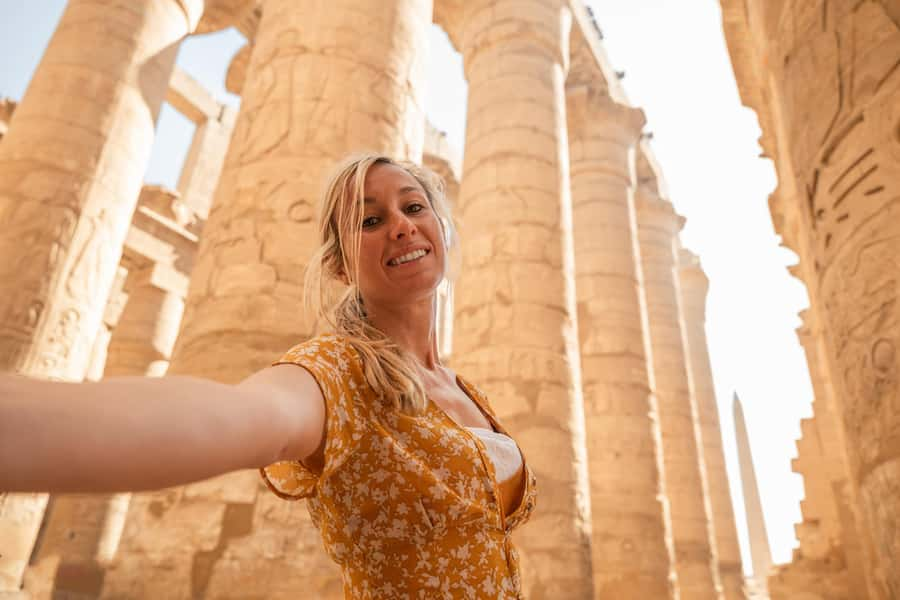
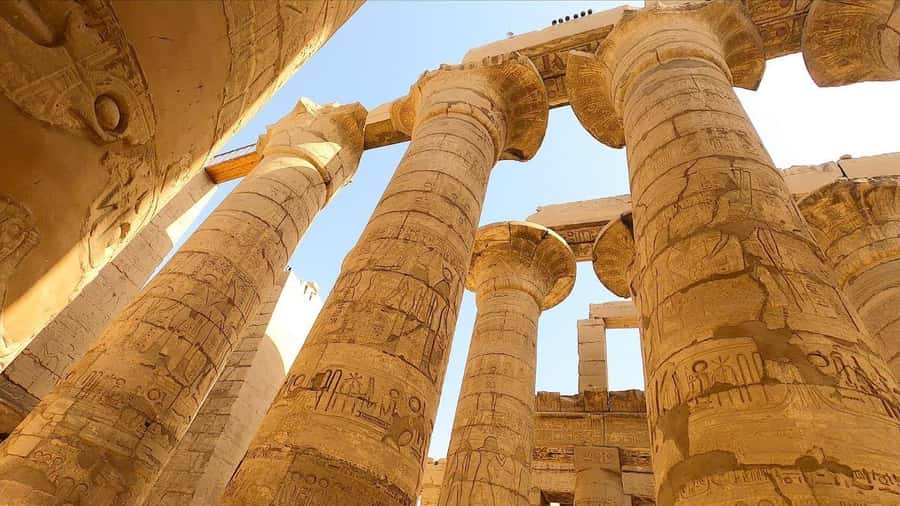
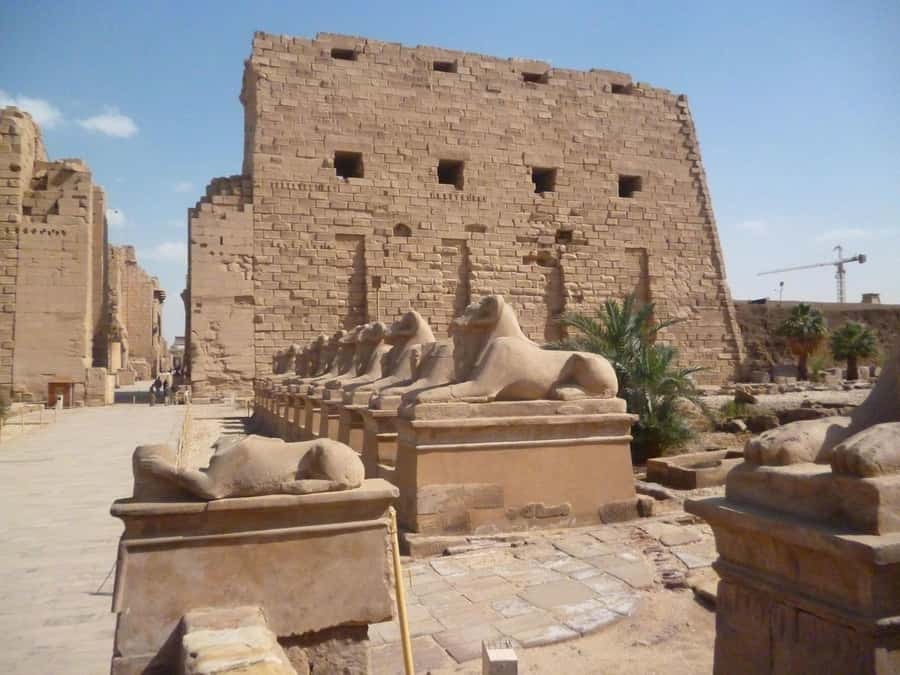
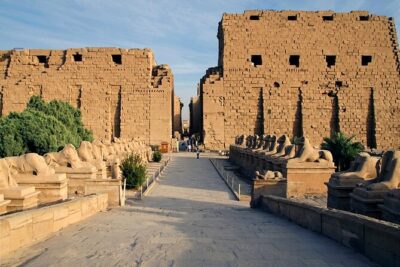
Karnak is the heavyweight stop. Dedicated to Amun, his wife Mut, and their son Khonsu, it represents the Theban religious complex and covers a vast area. The Great Hypostyle Hall, with its forest of massive columns, is likely to be the visual moment you remember most.
The value of a guide becomes especially clear here. Karnak can feel like a maze of pylons, courtyards, columns, statues, and carved walls. Without context, the size is impressive but confusing. A good explanation gives you a sequence: who built or completed parts of the temple, which gods were honored, and how the spaces were used.
Guides such as Jackie, Nelly, Manal, and Ahmed Yossry have been praised for turning the ancient material into stories rather than a list of dates. The strongest guiding style seems to combine clear facts with small details, including hieroglyphic symbols, temple decoration, and the meaning of the Theban triad.
Karnak also demands stamina. There is a lot of walking, little shade in some areas, and plenty of standing while your guide explains the site. You can ask for a short pause. Since the tour is private, your guide is better placed to adjust the pace than a guide managing a large group.
The tour description calls Karnak one of the greatest examples of worship in history. That is broad promotional language, but the basic point is fair: this is not a single small temple. It is a large religious center built and expanded over generations, and it deserves more than a rushed photograph at the entrance.
Luxor Temple after the larger monuments
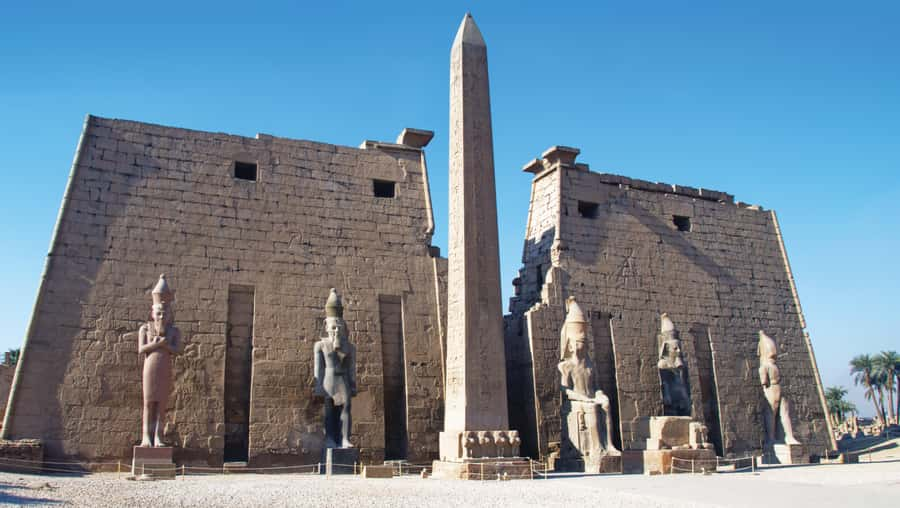
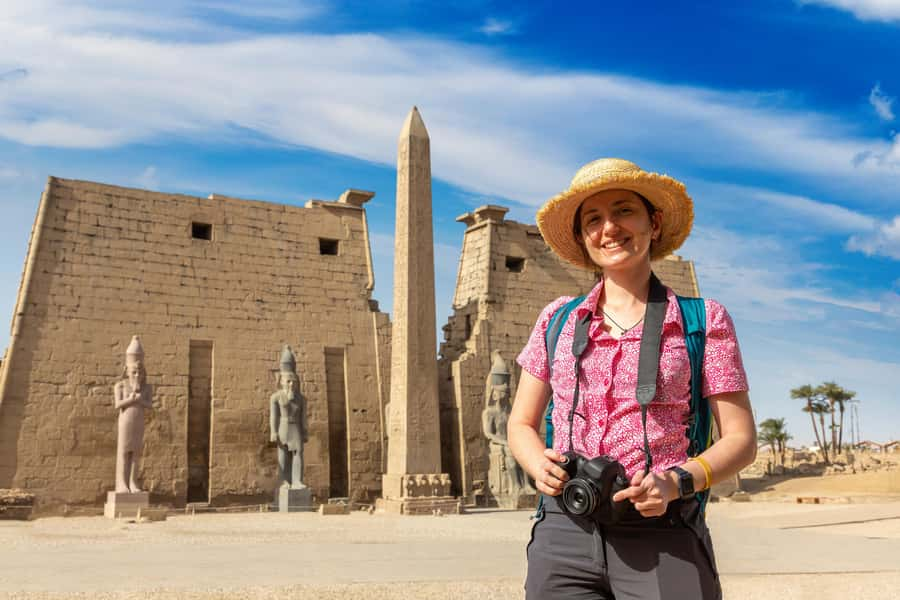
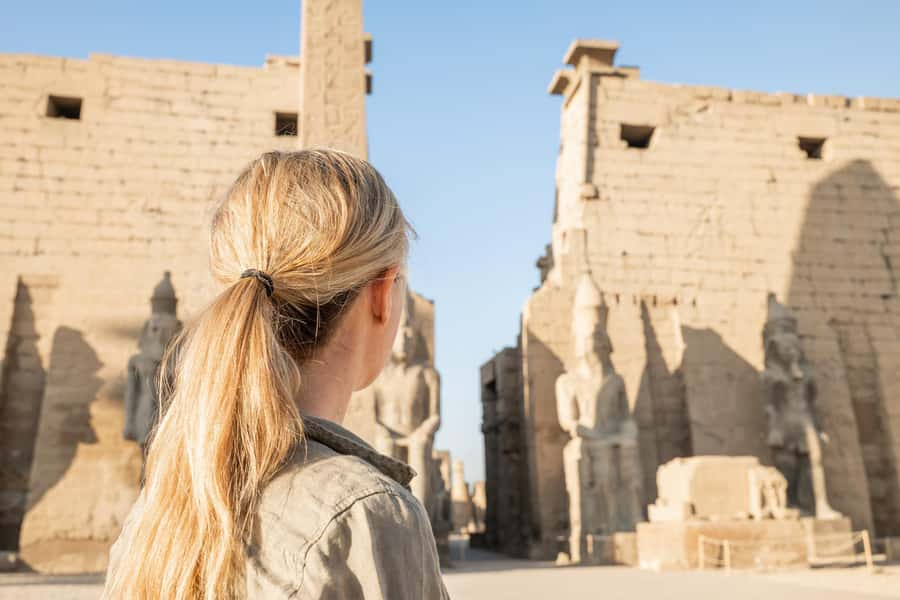
Luxor Temple offers a different mood from Karnak. It sits in the modern city and was built by Amenhotep III during the 18th Dynasty, then completed by Ramses II. Its position makes the contrast between present-day Luxor and ancient Egypt particularly clear.
The temple is more compact than Karnak, so it can be easier to understand as a connected monument. Your guide can explain the builders, the gods, and the relationship between Luxor Temple and the wider religious center at Karnak. The available information confirms that guiding is included, but not the exact route or length of time at each site.
This final major stop can be tiring after the west-bank tombs and Karnak. That is another reason the private format matters. You can ask for enough time to take photographs and hear the explanation without being pushed through at someone else’s pace.
The order of the sites can change. Pickup is included from hotels on Luxor’s east bank, while pickup from west-bank hotels costs an additional $5 per person. Confirm the pickup point before booking, particularly if your accommodation is across the river.
Guides, drivers, and the human side of the day
The strongest part of this experience is the guide. Names praised in the supplied feedback include Salma, Shaimaa, Mohamed Refaie, Jackie, Manal, Esraa, Asma Saber, Ahmed Yossry, Mahmoud, and others. You cannot guarantee a particular person unless the operator confirms it, but you can request a guide whose language and style suit your group.
The most useful qualities to look for are clear English, patience, and a willingness to let you ask questions. Salma, Manal, and Mohamed Refaie are repeatedly described as friendly and strong at explaining the past. Several guides also helped with photographs, which is useful when you are traveling as a couple or family and want everyone in the frame.
The private driver is another important piece. The air-conditioned car gives you a place to cool down between sites, and the driver handles the distances between the two banks. The supplied feedback describes drivers as punctual, safe, accommodating, and helpful with children.
The tour can include stops at local shops. This may be useful if you want souvenirs or drinks, but it can also interrupt a tightly planned day. If you do not want shopping stops, say so clearly. One person found that the stops could be skipped after asking.
Price, practical costs, and what to pack
At $115 per person, the tour includes hotel pickup and drop-off from east-bank hotels, a private driver, an English-speaking guide, temple entrance fees, lunch, and the felucca ride. That is a solid package for someone who wants the main sights handled in one day.
The value depends on how many people are in your booking. For a couple or family, private transport and individual attention can make the price worthwhile. A solo visitor may find a group tour cheaper, but will give up the ability to adjust the pace.
The west-bank hotel pickup supplement is listed as $5 per person. Spanish, German, and French guides are available as paid additions, so select the language option carefully rather than assuming the standard price includes every language.
Pack:
- More water than one bottle per person
- Sunscreen and a hat
- Comfortable shoes
- Egyptian pounds for tips and public toilets
- A camera or phone with enough battery
- Light clothing that works in strong sun and religious or historic settings
The tour offers free cancellation up to 24 hours before departure and reserve-now, pay-later booking. Those terms are useful if your Luxor schedule is still moving, but the key practical issue is confirming the start time and pickup location.
Who should book this Luxor experience?
I would choose this tour if you have one full day in Luxor and want the major monuments without arranging several taxis or boats yourself. It suits first-time visitors, families, couples, and anyone who wants historical explanations rather than a self-guided walk through enormous sites.
It is also a good choice if you care about photographs and personal pacing. Guides have helped with pictures, allowed breaks, and adjusted the schedule for children or early departures.
I would hesitate if you dislike full sightseeing days, intense heat, or moving from one large site to another on a fixed schedule. Eight hours is efficient, but it is not leisurely. If you are deeply interested in archaeology, consider a longer stay so you can give the west bank’s smaller sites more time.
Should you book this private Luxor tour?
Book it if you want a well-organized introduction to Luxor with the major east and west-bank sights, lunch, and a felucca ride in one day. The private car, strong guide focus, and flexible pacing give it an advantage over a basic transfer service.
Before paying, confirm three things: your hotel is on the included east-bank pickup list, the guide language you want, and whether any shopping stops can be removed. Then bring extra water and a little patience for the heat. For a first day in Luxor, this is a practical and well-rounded way to meet the city’s ancient monuments.
FAQ
How long does the Luxor private tour last?
The tour lasts approximately eight hours, with availability depending on the selected starting time.
Which ancient sites are included?
The itinerary includes the Valley of the Kings, the Mortuary Temple of Queen Hatshepsut, the Colossi of Memnon, Karnak Temple, and Luxor Temple.
Is the felucca ride included?
Yes. A ride on a traditional felucca sailing boat on the Nile is included.
Is lunch included?
Yes. Lunch at a local restaurant is included in the tour price.
Is hotel pickup included?
Pickup and drop-off are included for hotels on Luxor’s east bank. Pickup from a west-bank hotel costs an additional $5 per person.
What languages are available for the guide?
Arabic, English, French, German, and Spanish are listed as available languages. Spanish, German, and French guides require a paid add-on, so choose the correct option when booking.
Are entrance fees included?
Yes. Entrance fees to the temples are included.
Is the tour private?
Yes. The experience includes a private driver and an English-speaking guide, allowing the schedule and pace to be handled for your group.
Can I cancel the booking?
You can cancel up to 24 hours in advance for a full refund. Reserve-now, pay-later booking is also available.
Just added in Luxor
- Private Trip To Luxor from Cairo by Plane★ 5.0 · 22 reviews
- Luxor Private Day Trip from Cairo by Plane★ 4.5 · 69 reviews
- Private Day Tour To Luxor from Cairo by Plane,Tours,Sailing Felucca,Camel&Lunch★ 5.0 · 45 reviews
- Private Day Tour To Luxor from Cairo by Plane★ 4.5 · 41 reviews
- Package 8 Days 7 Nights To Jewels of Egypt, Luxor & Aswan Tour★ 5.0 · 29 reviews
- Package Cairo & Alexandra & Luxor & Aswan★ 5.0 · 39 reviews
- Overnight Luxor Tours by train from Cairo with Hot Air Balloon and much more★ 5.0 · 29 reviews
- Private Luxor Day tour from Cairo by Flight★ 5.0 · 25 reviews
Felucca Rides, compared.

Sakkara, Memphis & Dahshur (Pyramid & Felucca Options)
Read our review →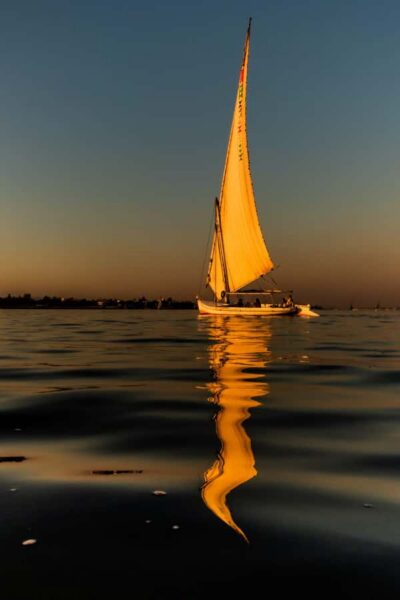
Over Day Tour to Luxor & Balloon Ride & Felucca
Read our review →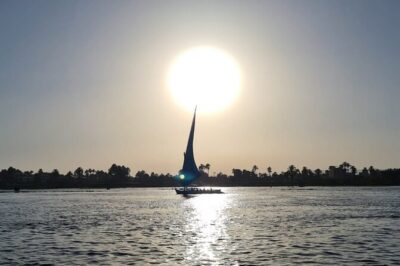
Amazing Sunset sailing by Felucca in Luxor -2 Hours (Private)
Read our review →
Dendera Temple All-Inclusive Tour & Felucca Ride
Read our review →Browse the lists this tour appears in