
Reviewed · EGYPTIAN MUSEUM TOURS
Private Tour: Egyptian Museum, Alabaster Mosque, Khan el-Khalili
The best part of this Cairo tour is the private format. You get an Egyptologist for your group, not a guide trying to keep a large busload together, so you can pause at Tutankhamun’s death mask, ask about Islamic prayer, or cut the bazaar short when shopping loses its charm. Guides named Mohamed Osama, Mohammed Atef, Sayed, Ahmed, Hammad, Ossama, Henry, and Morad have all led versions of this outing.
I like the strong mix of ancient Egypt, Islamic Cairo, and everyday market life. I also like the flexible pace, especially at the museum, where two hours can pass quickly. The catch is that the bazaar may feel familiar if you have visited other Middle Eastern souks, and optional stops such as perfume or papyrus shops can feel sales-focused.
Key points at a glance
- King Tutankhamun takes center stage: See six gilded coffins, the famous death mask, and royal jewelry in the Egyptian Museum.
- A private guide changes the pace: Ask detailed questions, spend more time on favorite objects, or move on when a stop has run its course.
- Muhammad Ali Mosque adds a religious and architectural lesson: Your guide explains basic Islamic beliefs and translates common prayers.
- Khan el-Khalili is part shopping trip, part street theater: Bargaining, tea, shisha, crafts, and souvenir stalls fill the final stop.
- The six-hour schedule works well: You can visit three major Cairo sights and still be back in time for dinner.
- Check the extra costs: Lunch, non-English guides, and pickup from several outer Cairo districts may require supplements.
A smart second day in Cairo
This tour is designed for the day after the pyramids, and that is exactly how I would use it. Giza and the Sphinx cover the monumental image of ancient Egypt. This outing shifts attention to the city’s museum treasures, Ottoman-era mosque, hilltop citadel, and old commercial quarter.
The arrangement also makes sense geographically and historically. You begin with pharaonic Egypt, move to the Islamic center of power at the Citadel of Salah el-Din, then finish in a market whose lanes still function as a place to shop, eat, sit, and watch Cairo move around you.
At $158.34 per person, the price is easiest to justify for a small group that values a dedicated guide and private transport. A solo visitor pays a lot for that privacy, while two or more people can spread the cost across the group. Lunch is included only if you choose the appropriate option, so check the price carefully before booking.
The tour begins at about 9:00 a.m. Pickup is offered, and the private setup means only your party participates. Heavy Cairo traffic can affect the start. One outing had a pickup about 30 minutes late because of traffic entering the city, so keep that in mind if you have a cruise, flight, or other fixed appointment later in the day.
More Coptic & Islamic Cairo Tours in Cairo
- Cairo: Egyptian Museum, Citadel, and Old Cairo Guided Tour
★ 4.7 · 853 reviews - Cairo Citadel, Old Cairo and Khan El Khalili: Private Tour
★ 4.6 · 741 reviews - Old Cairo: Full-Day Islamic and Coptic Cairo Tour with Lunch
★ 4.6 · 688 reviews
Two hours with Tutankhamun at the Egyptian Museum
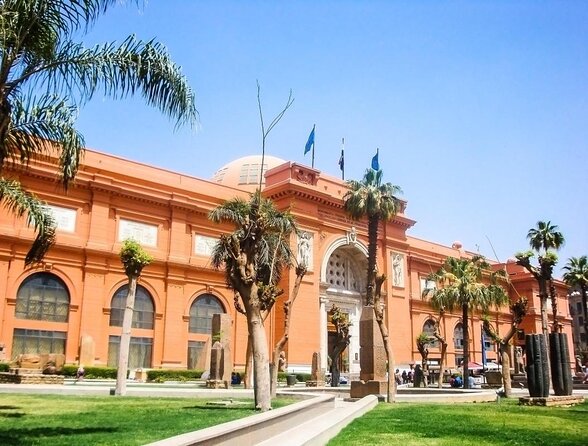
The Egyptian Museum is the main reason to book this tour. Its collection contains about 165,000 Egyptian artifacts, and even a focused visit can feel like opening several history books at once. The guide first introduces important objects, then gives you time to look around on your own.
The museum’s great reward is the Tutankhamun display. Six gold-gilded coffins dominate the main hall, while the famous death mask and royal jewelry wait upstairs. For many people, the mask is the single most memorable object of the day, but the coffins help you understand the scale of the burial goods connected with the young ruler.
I would spend most of your museum time on this section. One useful detail is that a photography ticket may be required for interior pictures, and the death mask room does not allow photography even with that ticket. A separate fee applies to the Royal Mummy Room. The tour includes general museum admission, but these added museum charges are not described as part of the standard entry.
Your guide’s value is especially clear here. The collection can feel overwhelming without a plan, and an Egyptologist can point out the pieces worth your limited time. Guides such as Hammad, Morad, Ossama, Ahmed, and Mohamed Osama have been praised for giving clear explanations, answering questions, and adjusting the amount of information to the group.
The private format also solves a common museum problem: being rushed past the objects you care about. If you are a history enthusiast, tell your guide early that you want extra time with the Tutankhamun rooms. If you prefer a broad overview, the guide can keep the visit moving and leave you free time afterward.
Muhammad Ali Mosque above Cairo
The second stop is the Mosque of Muhammad Ali, often called the Alabaster Mosque. It sits on the limestone hilltop of the Citadel of Salah el-Din, giving you wide views across Cairo. The setting alone makes this a worthwhile change of pace after the museum’s indoor galleries.
The lower parts of the mosque are clad in alabaster, while the upper construction uses limestone associated with material removed from the Giza pyramids. Inside, your guide explains basic Islamic beliefs and translates some of the most common prayers.
That explanation gives the visit more meaning than a quick look at domes and stonework. The mosque still functions as a place of worship, yet it welcomes people of all faiths. Your guide helps you understand the space respectfully rather than treating it as just another photo stop.
Allow about an hour here. The mosque is beautiful, but it is a shorter visit than the museum, and some people may want more time at the first stop instead. Tell your guide if you prefer to linger over the city views or architectural details.
The Citadel also provides one of the tour’s best visual breaks. After the museum’s close-up look at gold, stone, and painted objects, you can look out over the Cairo skyline and get a better sense of the city’s scale.
Khan el-Khalili, bargaining, and Cairo street life
The final planned stop is Khan el-Khalili, Cairo’s famous bazaar. You receive an introduction from the guide, then have free time to walk through the narrow lanes and browse stalls selling crafts, paper goods, and other souvenirs.
This is the least predictable part of the tour. You may enjoy bargaining and the chance to sit for tea or smoke shisha. You may also find that some merchandise looks mass-produced or familiar from other Middle Eastern markets. One practical view is to treat the bazaar as a short cultural walk rather than the main reason to book the tour.
The guide can help you understand the market’s place in Cairo’s commercial life and explain the old claim that its trade stories helped inspire Christopher Columbus to search for a route west. The historical connection is presented as a market claim, not something you need to accept as settled fact.
Since the tour is private, you can decide how long to stay. If you find a gift you want, use the opportunity to practice bargaining. If shopping is not your thing, ask to move on after a brief look. That flexibility is much harder to manage with a large group.
Some versions include a stop at a papyrus institute, where you can see how papyrus artwork is made and buy genuine pieces if you wish. Perfume-shop visits have also occurred. These stops may interest you, especially if you want an explanation of the craft, but do not feel obliged to buy. A past itinerary included a perfume stop that felt too focused on sales, even though the shop itself was considered interesting.
More Egyptian Museum Tours in Cairo
- Cairo: Egyptian Museum of Antiquities online QR Ticket
★ 4.5 · 558 reviews - Museum of Egyptian Civilization, Citadel & Old Cairo Tour
★ 4.7 · 530 reviews - The Egyptian Museum, the Citadel, Khan Khalil Bazaar & Old Cairo
★ 5.0 · 418 reviews - Egyptian Museum in Cairo: Private Guided Tour
★ 5.0 · 316 reviews
Why the private guide matters
The strongest part of this experience is not simply having transport between attractions. It is having someone who can connect the objects and places for you.
At the museum, your guide can explain why Tutankhamun’s burial goods matter. At the mosque, the guide can translate prayers and outline the basic beliefs of Islam. At the market, the guide can help you decide how much time to spend browsing. These are three different subjects, and a good guide keeps the day from becoming three disconnected sightseeing stops.
The guide names associated with especially strong experiences include Mohamed Osama, Mohammed Atef, Sayed, Ahmed, Hammad, Ossama, and Morad. You cannot necessarily request a particular person, but you can ask the operator about guide assignment when booking. The supplied tour details identify English as the language included in the price. Other languages require a 1,000 Egyptian pound supplement.
The guides are also useful for families and groups with different interests. One guide, Ahmed, was noted for his patience with a young nephew. Another, Hammad, was praised for answering many questions without making the visit feel rushed. That matters in Cairo, where the noise, traffic, and sheer amount of information can wear you down.
Timing, transport, and added charges
The advertised duration is about six hours. The listed stops account for roughly two hours at the Egyptian Museum, one hour at the mosque, and 90 minutes at Khan el-Khalili. The remaining time covers driving, pickup, and any added stop.
Pickup is offered, and past outings used clean, air-conditioned cars. Traffic remains the big variable. Build in extra time if you have an evening departure, a Nile cruise, or a restaurant reservation that cannot move.
Several outer districts carry a transfer supplement of 1,000 Egyptian pounds round trip per car. This applies to the 6th of October area, North Coast Capital, and Settlement areas. Confirm your hotel location and the exact pickup charge before paying.
Lunch is included only when the selected option says so. It is not automatically part of every booking. One meal was described as acceptable but expensive, so compare the lunch option with simply eating later on your own.
The experience offers free cancellation when you cancel at least 24 hours before the local start time. Changes or cancellations inside that window are not refunded.
Who will get the most from this tour?
I would choose this tour if you want a guided introduction to central Cairo without joining a large bus group. It suits first-time visitors who have already seen Giza, couples who want to set their own pace, families that need flexibility, and history fans who want museum explanations rather than a quick photo stop.
It is also a good choice if you are nervous about navigating Cairo independently. A private car, pickup, and guide take care of the basic movement between sites, while you focus on the places themselves.
I would think twice if you mainly want an extended museum visit. Two hours is useful, but the Egyptian Museum contains far more than any half-day schedule can cover. You may also want to skip this option if bazaars do not interest you or if you have already visited many similar souks.
The tour is less attractive for a solo visitor on a tight budget. The private service has real value, but $158.34 per person is a sizeable cost when there is only one person paying. For two or more people, the personal guide and transport become easier to defend.
Should you book it?
Book this tour if you want three very different sides of Cairo in one manageable day: pharaonic treasures, Islamic architecture, and market life. Put your priorities in order before setting out. Ask for a detailed museum visit, keep the mosque explanation, and treat the bazaar, perfume shop, and papyrus stop as optional extras rather than obligations.
The private structure is the key advantage. It lets you spend less time on what does not interest you and more time with the Tutankhamun collection, city views, or questions about Egyptian culture and religion. Just confirm pickup charges, lunch, language supplements, and any schedule limits before booking.
FAQ
How long does the private Cairo tour last?
The tour lasts approximately six hours, beginning at about 9:00 a.m.
Which sites are included?
The tour includes the Egyptian Museum in Cairo, the Mosque of Muhammad Ali at the Citadel of Salah el-Din, and Khan el-Khalili bazaar.
Is museum admission included?
Admission to the Egyptian Museum and the Mosque of Muhammad Ali is included. A separate fee applies to the Royal Mummy Room, and a photography ticket may be required for interior photographs.
Is lunch included?
Lunch is included only if you select the option that includes it.
Is the tour conducted in English?
English is included in the listed price. A supplement of 1,000 Egyptian pounds applies to guide languages other than English.
Can I cancel for a full refund?
Yes. You can receive a full refund if you cancel at least 24 hours before the experience start time. Cancellations or changes made less than 24 hours before the start are not refunded.
More Museums in Cairo
- Cairo: Egyptian Museum Private Half Day Guided Tour
★ 4.5 · 207 reviews - Visiting Egyptian Museum Citadel and Old market of Khan Khalili
★ 4.5 · 141 reviews - Cairo Luxury Tours to Egyptian Museum,Coptic Cairo & Bazaar
★ 4.5 · 130 reviews - Egyptian Museum, Citadel and Old Cairo Tour
★ 5.0 · 118 reviews
Just added in Cairo
- Private Dinner Cruise with Belly Dancing★ 5.0 · 48 reviews
- Fayoum 4×4 Safari Adventure, Sandboarding, Lunch, Felucca★ 5.0 · 71 reviews
- Private Half Day Tour to Islamic Cairo★ 5.0 · 19 reviews
- Private day trip to Cairo from Hurghada★ 5.0 · 139 reviews
- Private day tour visiting Coptic, Islamic Cairo, khan Elkhalili★ 5.0 · 39 reviews
- Private VAN Airport Transfer: Cairo Airport Transfer to anywhere in Cairo★ 4.5 · 49 reviews
- Private pickup & Transfer from & to cairo Airport★ 5.0 · 19 reviews
- Private Transfer – Cairo Airport Arrivals Hall to Hotel★ 5.0 · 147 reviews
Egyptian Museum Tours, compared.

Tour to Giza Pyramids and The Egyptian Museum
Read our review →
Cairo Pyramids, Sphinx & Egyptian Museum Day Trip
Read our review →
Egyptian Museum, Citadel, and Old Cairo Guided Tour
Read our review →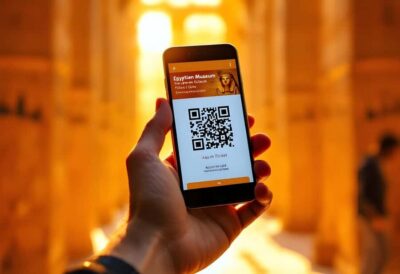
Egyptian Museum of Antiquities online QR Ticket
Read our review →Browse the lists this tour appears in