Reviewed · HALF-DAY
Cairo Half day tours to Old Markets and Local Souqs
Cairo’s old-market district is best understood on foot, one crowded lane at a time. This private tour takes you from El Ghorya and El Mosky to Bab Zuwayla, Bab al-Futuh, Bab el-Nasr, and Khan el-Khalili, with a local guide to help you read the prices, spot Egyptian goods, and avoid buying poor-quality souvenirs.
I like the hotel pickup and private format, especially if you are new to Cairo or traveling alone. I also like the chance to pause for Egyptian tea, cane juice, koshari, or a local lunch if your chosen option includes it. The main caution is timing: a few bookings have ended early or spent less than an hour shopping, and Ramadan or a Sunday can mean closed shops.
Key points at a glance
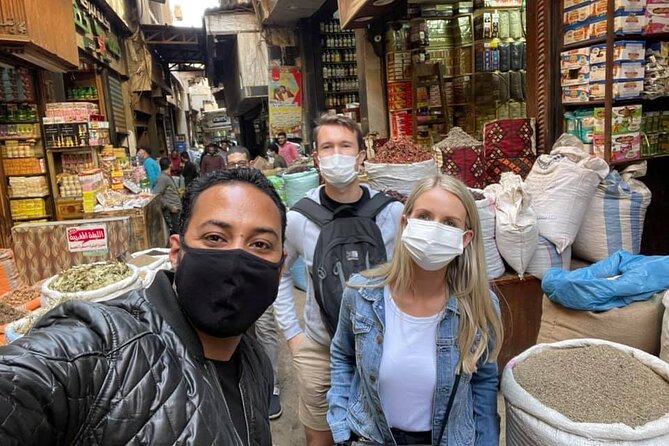
- El Ghorya opens the tour with a more local feel: This market in Fatimid Cairo gives you an early look at daily commerce before the better-known Khan el-Khalili.
- Your guide matters: Guides including Ahmed, Nader, Osama, Omar, Mohamed, Mahmoud Afifi, and Zain have been praised for explaining prices, quality, customs, and local food.
- Khan el-Khalili gets about two hours: This is the main shopping stretch, with narrow lanes, old cafes, brass goods, papyrus, cotton items, and souvenirs.
- The route mixes shopping with Cairo’s gates and mosques: Bab Zuwayla, Bab al-Futuh, and Bab el-Nasr add architecture and city history to the market walk.
- The $35 price is reasonable for private transport and a guide: The value depends on whether you want help shopping and cultural context, not simply free time in a bazaar.
- Plan around local rhythms: Ramadan, Sunday closures, crowds, heat, and uneven paving can change the feel and pace of the outing.
Why this half-day tour works in Cairo
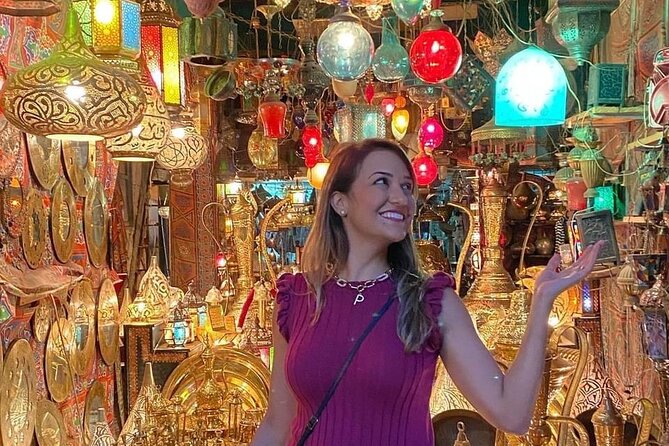
Cairo’s old markets are easy to enter and surprisingly hard to understand. Shops crowd together, similar goods appear at many stalls, prices may change from one conversation to the next, and the lanes can feel confusing after only a few turns. A private guide gives you a human map of the area.
The tour lasts about four hours and begins with pickup at your Cairo hotel. You ride in a private, air-conditioned vehicle, then spend most of the outing walking through the market districts. That combination is useful in Cairo, where a short road journey can feel long in traffic and a cool vehicle is welcome after time outside.
This is not a polished shopping mall or a set-piece performance. You see working streets, small shops, old gates, cafes, religious buildings, and locals going about their business. You also get the practical side of shopping: how to bargain, what Egyptian-made goods may look like, and when a souvenir is better left on the shelf.
The tour has an overall rating of 4.2 from 32 reviews, but the range is wide. Many bookings earned top marks because of the guide, while low ratings usually came from poor timing, closed shops, limited English, rushed shopping, or a mismatch between expectations and what the tour delivered. Go in expecting a guided introduction to Cairo’s markets, not four uninterrupted hours of buying things.
A few more days out in Cairo to weigh up
- Old Cairo and Khan El Khalili Bazaar: Private Half-Day Tour
★ 4.6 · 251 reviews - Half-day Tour in Churches of Cairo
★ 5.0 · 207 reviews - Cairo: Egyptian Museum Private Half Day Guided Tour
★ 4.5 · 207 reviews
Starting in El Ghorya, the quieter first market
The first listed stop is on Sharia El Ghorya, in the old Fatimid section of Cairo. The planned visit lasts about an hour. This is a useful beginning because it gives you a sense of the market away from the most famous lanes of Khan el-Khalili.
El Ghorya is described as a typical Egyptian market, and the appeal is its everyday character. You may see goods being prepared, displayed, or sold in a setting that feels more practical than theatrical. One guide, Mahmoud Afifi, was especially good at showing the area before opening and then explaining how the mood changes once selling begins.
That contrast is worth paying attention to. A market is not just its shelves and signs. The sounds, shop shutters, deliveries, conversations, and changing crowds tell you how the district works. If your pickup is around 9:30 in the morning, the area may still be relatively calm, which can make it easier to walk and ask questions.
The drawback is that markets do not run on a fixed tourist schedule. A Sunday visit may find some souqs closed, and Ramadan can shorten business hours or leave shops and eateries closed. Ask about the day’s opening pattern when you book or confirm pickup.
Bab al-Futuh, Bab el-Nasr, and the old city gates
After El Ghorya, the route moves through the traditional areas around Bab Zuwayla, Bab al-Futuh, and Bab el-Nasr. The planned time at Bab al-Futuh and Bab el-Nasr is about 30 minutes each, though the exact order may vary.
These stops give the tour more substance than a simple shopping trip. The gates frame the old city, and their stonework offers a break from the shopfronts and sales pitches. The route is also described as being near Al-Azhar Mosque and Khan el-Khalili, placing the markets within Cairo’s older religious and commercial quarter.
Do not expect a full mosque tour unless your guide includes one. Some guides have taken groups into several mosques and offered a great deal of explanation, while other bookings focused much more on shopping. If architecture and Islamic culture are a major reason for booking, say so at the start. That simple request may help your guide give you the kind of afternoon you want.
There is also some unclear wording around admission. The main description says admission is included for Bab el-Nasr near Al-Azhar Mosque and Khan el-Khalili, while the stop details mark Bab al-Futuh and Bab el-Nasr admission as not included. The listed inclusions say the tour covers the guide, private vehicle, hotel transfers, and bottled water, but do not clearly promise entry to every religious or historic building. Confirm any entrance fees before you go.
El Mosky, Cairo’s crowded shopping machine
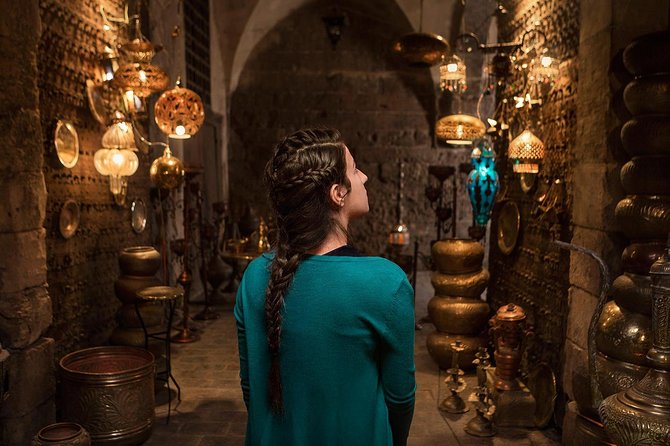
El Mosky is presented as one of the city’s most crowded markets, with a little of everything. This is where the outing can feel most intense. You may be walking close to other shoppers, passing carts and shop displays, and stopping often as your guide points out products.
For some people, that is the best part. You see Cairo as a working city rather than a string of monuments. For others, it may be tiring. The markets are not always easy to navigate, and the pace can be slow when lanes fill up.
This is a good place to rely on your guide for shopping help. Ahmed was praised for telling shoppers when an item was poor quality rather than simply encouraging a purchase. Nader was also credited with explaining what to look for in Egyptian goods. That kind of advice is more useful than a list of souvenir shops because the same product may appear in several places with different prices and quality.
You should still make your own choices. The tour is not a guarantee that every shop sells locally made goods. Some shopping may involve Egyptian products, while other stalls sell imported items, including Chinese-made goods. If authenticity matters to you, ask where an item was produced and compare several examples before buying.
A completely different sort of day in Cairo:
- Hurghada: Full-Day Trip to Cairo by Plane
★ 4.5 · 2,415 reviews - Cairo: Dinner Cruise on the Nile River with Entertainment
★ 4.2 · 2,190 reviews - Cairo: Nile Sunset Dinner Cruise, Show & Optional Transfer
★ 4.1 · 2,184 reviews - Cairo Airport Private Arrival/Departure Transfer to any address/hotel in Cairo
★ 5.0 · 1,509 reviews
Two hours inside Khan el-Khalili
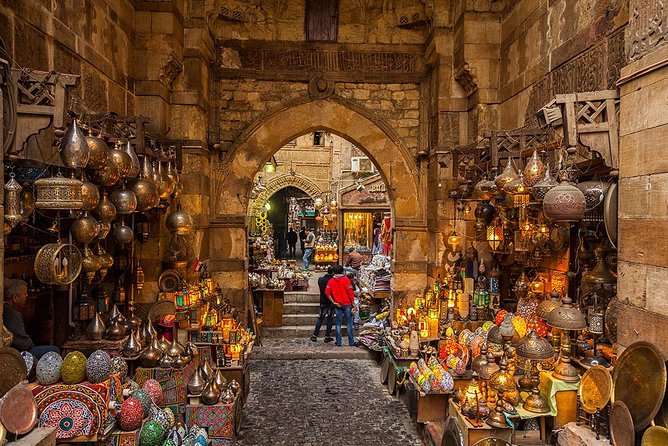
Khan el-Khalili receives the longest planned visit, about two hours. It is the famous market area and the point where many people will spend most of their shopping time.
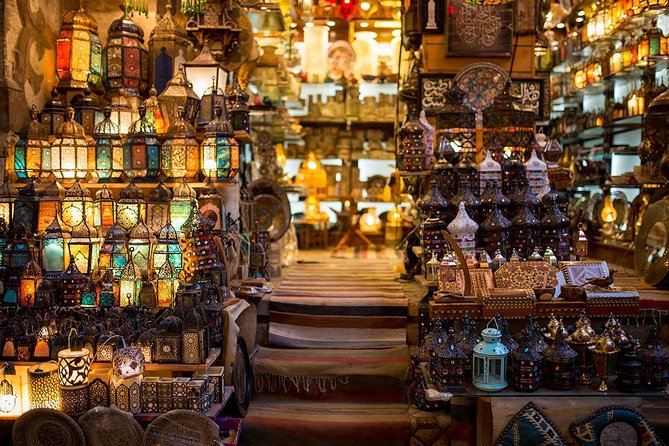
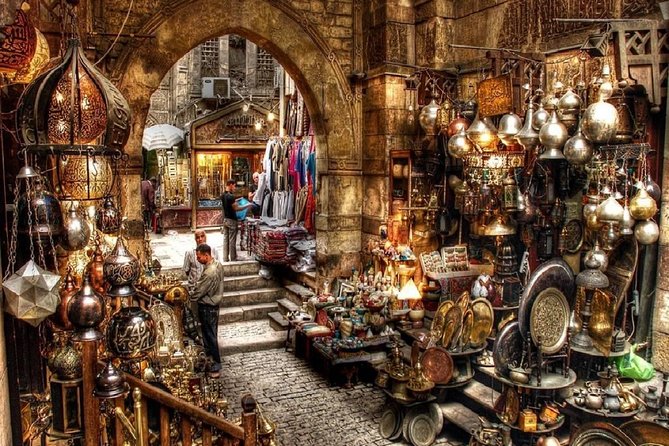
The lanes are full of small stores and repeated displays. You can find brass crafts, papyrus, cotton goods, souvenirs, and other Egyptian products, but the exact selection varies. The market is large enough to feel like a maze, which is why an introduction from a guide can be helpful before you return on your own.
The route description refers to oriels overlooking the streets and to the scents around Bab al-Futuh and Bab el-Nasr. Look up as well as down. The market is not only about merchandise. Doorways, projecting windows, stone walls, old signs, and the shape of the lanes make the walk interesting even when you are not buying anything.
Allow time for tea or a cafe stop. Several guides have ended the walk with Egyptian tea near the market, usually at your own expense. One guide took a visitor to Cairo’s oldest cafe, a small place associated with famous visitors including Morgan Freeman and Beyonce. That detail is not promised on every booking, but it shows how much the guide can shape the outing.
Koshari is another possible food stop. It is a filling Egyptian dish built around pasta, rice, lentils, chickpeas, tomato sauce, and fried onions. One booking included koshari in downtown Cairo and found it far better than its appearance suggested. If lunch is part of the option you select, it is listed as local Egyptian food at a local restaurant. The standard inclusions do not guarantee lunch, so check the booking option rather than assuming it is included.
The real value of a $35 private tour
At $35 per person, this is an inexpensive way to arrange hotel pickup, private transport, a guide, and a four-hour introduction to the old markets. A bottled water is included, and group discounts are offered. For a solo visitor, the private setup can be especially useful because you are not waiting for a large group or trying to keep up with strangers.
The price makes sense if you want help with three things: finding the main market zones, understanding what you are seeing, and shopping with some protection from bad advice or poor-quality goods. A strong guide can save time and reduce the stress of bargaining.
The value drops if you mainly want independent shopping. You may prefer to take a taxi to Khan el-Khalili and spend the afternoon on your own. The tour also loses value when it starts late, makes too many unnecessary stops, or returns early. One booking spent only about 45 minutes to an hour at the market after a delayed arrival, while another ended after roughly three hours instead of four.
You can improve your odds by stating your priorities at pickup. Tell the guide if you want more market time, more mosque visits, food, photography, or help finding specific souvenirs. The strongest experiences came from guides who adjusted the pace and route to the group.
Guides who can make or break the afternoon
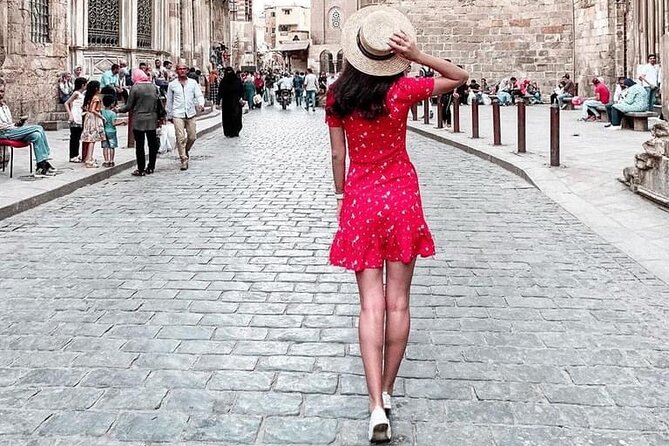
The guide is the most important part of this experience. Specific guides praised for warmth, communication, or practical help include Ahmed, Aladdin, Nader, Osama, Mohamed, Omar, Amir, Mahmoud Afifi, Zain, Jesse, Hesham, and Neveen, who guided in Spanish.
Ahmed received especially strong praise for protecting three women from aggressive pricing and advising them when not to buy. Osama was described as personable, careful, and good at helping visitors feel safe while moving through the community. Zain was praised for explaining Cairo’s history, arranging local food, and running beyond the planned time when needed.
The standard is not perfectly consistent. One booking had a guide with limited English despite requesting an English-speaking guide. Another person felt the guide spent too much time lecturing about Islam and not enough time on shopping. If you want detailed explanations of mosques, say so. If you want to shop first, say that too.
The private format gives you a better chance of shaping the day. Most travelers can participate, and the tour is marked as a private activity for your group. Still, expect walking over uneven surfaces. Wear shoes with good cushioning, especially if you have knee, foot, or balance concerns.
Crowds, clothing, food, and timing
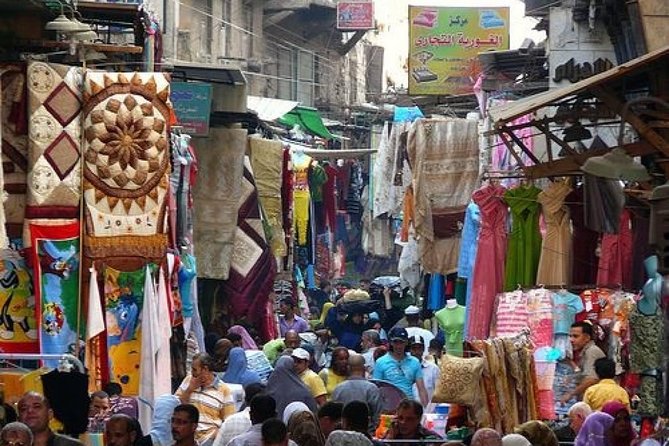
The markets can be crowded, noisy, and close-packed. One morning visit around 9:30 was noticeably calmer, which made it easier to walk and shop. Later hours may bring more people and more energy, but the exact feel depends on the day.
Bring patience for bargaining. It is part of the shopping culture, not a quick checkout process. Your guide can help, but you should set a budget before you start. If you see the same item in several shops, compare quality and price instead of buying at the first stall.
Ramadan requires special care. Shops and restaurants may open later, close earlier, or operate on a changed schedule. One booking during Ramadan had a reduced selection but still became a worthwhile cultural outing because the guide adapted the plan. If shopping is your main goal, avoid relying on a Ramadan visit without checking hours.
The tour includes a private air-conditioned vehicle, but most of the interesting work happens outside it. Drink the included water, take breaks, and do not wear shoes you would reserve for a short city stroll. The market paving can be uneven, and the walk may be more tiring than the four-hour length suggests.
Who should book this Cairo market walk?
I would choose this tour for a first visit to Cairo, a solo traveler who wants help navigating, or a small group that wants a local guide without joining a large coach party. It suits you if you want shopping mixed with gates, mosques, street life, and local food.
It is also a good fit if you feel uneasy about bargaining. A guide who knows the area can point out questionable quality, help with communication, and explain when a price is too high. That practical support may be worth more than the cost of the tour itself.
I would be cautious if you need a tightly timed cultural program or a guaranteed list of open shops. The tour can vary with the guide, day, traffic, Ramadan hours, and your own requests. It is not ideal for anyone who dislikes crowds, uneven ground, or flexible plans.
Should you book it?
Book it if you want a practical introduction to Cairo’s old markets and prefer someone local to lead the way. At $35, the private vehicle and hotel service make the price fair, especially when the guide helps with quality, bargaining, food, and local context.
Before booking, confirm the language, ask how much time will be spent shopping, check whether lunch is included, and clarify admission fees for the gates or religious sites. Choose a morning start if you want a calmer market. With the right guide and realistic expectations, this can be a useful, lively first look at Cairo’s old city.
FAQ
How long does the tour last?
The tour is scheduled for about four hours. Some bookings have ended earlier, so confirm the expected return time with your guide at pickup.
Is hotel pickup included?
Yes. Hotel pickup and drop-off in Cairo are included, with transfers in a private, air-conditioned vehicle.
Is this a private tour?
Yes. The activity is private, and only your group participates.
What markets are included?
The route includes El Ghorya, El Mosky, and Khan el-Khalili, along with traditional areas near Bab Zuwayla, Bab al-Futuh, and Bab el-Nasr.
How much time is planned at Khan el-Khalili?
The planned visit to Khan el-Khalili is about two hours.
Is lunch included?
Lunch is included only if you select the option that includes it. The listed lunch is local Egyptian food at a local restaurant.
Is Egyptian tea included?
Tea stops may be offered, but tea is normally at your own expense.
Are entrance fees included?
The information lists free admission at El Ghorya and Khan el-Khalili, but the stop details mark admission at Bab al-Futuh and Bab el-Nasr as not included. Confirm any entrance charges before the tour.
Is the tour suitable for most people?
Most travelers can participate, but expect substantial walking over uneven surfaces and crowded market lanes.
What is the cancellation policy?
You can cancel at least 24 hours before the start time for a full refund. Cancellations or changes made within 24 hours are not accepted for a refund.
Just added in Cairo
- National Museum of Egyptian Civilization, Islamic Cairo Mosques★ 5.0 · 36 reviews
- CairoPrivate Felucca on the Nile River and Khan El Khalili Bazaar★ 4.5 · 32 reviews
- Professional Photo Shoot & Authentic Cairo Walking Tour★ 5.0 · 78 reviews
- Private Tour to the Egyptian Museum★ 4.5 · 65 reviews
- Private Tour in Cairo Tower with ATV Quad Bike and Felucca Ride★ 4.5 · 23 reviews
- Private Tour To Old Cairo And Khan El Khalili Bazaar★ 5.0 · 29 reviews
- Private Dinner Cruise with Belly Dancing★ 5.0 · 48 reviews
- Fayoum 4×4 Safari Adventure, Sandboarding, Lunch, Felucca★ 5.0 · 71 reviews
Half-Day, compared.
Half-Day Tour to Pyramids of Giza and the Sphinx
Read our review →
6- Hours Half Day Tour To Sakkara & Memphis & Dahshur
Read our review →
Private Half Day West Bank Tour to Valley of the Kings Queen Hatshepsut Temple and Colossi of Memnon
Read our review →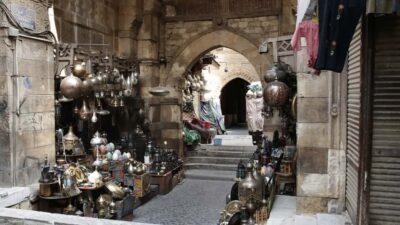
Old Cairo and Khan El Khalili Bazaar: Private Half-Day Tour
Read our review →