
Reviewed · ABU SIMBEL TOURS
Private Tour: Abu Simbel by Minibus from Aswan
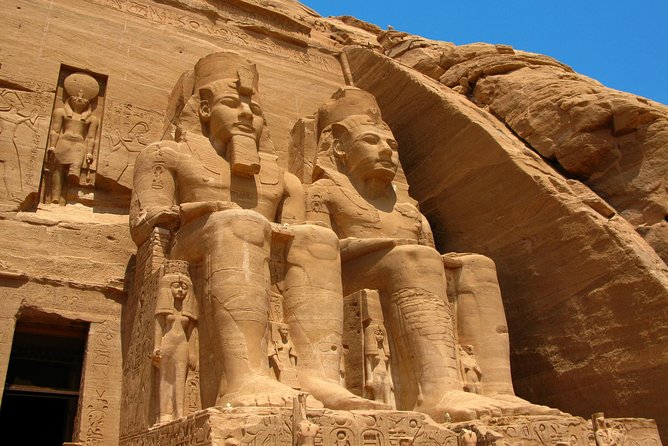
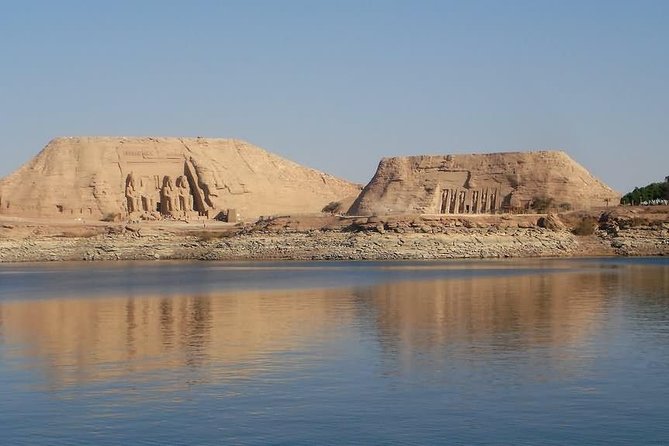
The payoff comes at the end of a long desert road: four colossal statues of Ramses II facing you across the sand, with Lake Nasser behind them. This private trip takes you from Aswan to both Abu Simbel temples, then gives you time to enter and look around without being tied to a large group.
I like the private minibus and the pickup from either your Aswan hotel or port. I also like having an Egyptologist explain the temple plan before you go inside, since guides cannot enter with you. The main drawback is simple: you spend about six hours on the road for roughly two hours at the site, and convoy delays can reduce that temple time.
Key points to know before booking
- The drive takes about three hours each way, mostly across the desert south of Aswan.
- You visit two temples, the Great Temple of Ramses II and the smaller Temple of Hathor.
- Your guide explains the interiors outside, since guides are not allowed inside the temples.
- Private transport means your group travels alone, rather than joining a large sightseeing party.
- Departure time matters, with early starts offering cooler temperatures and fewer people, but later starts allowing more sleep.
- The temples were moved in 1968, piece by piece, to protect them from Lake Nasser after the Aswan High Dam was built.
Why Abu Simbel is worth the long road from Aswan
Abu Simbel is not a quick side trip. The journey from Aswan takes about three hours in each direction, so the temples need to be a major reason for visiting southern Egypt, not a casual extra squeezed between other plans.
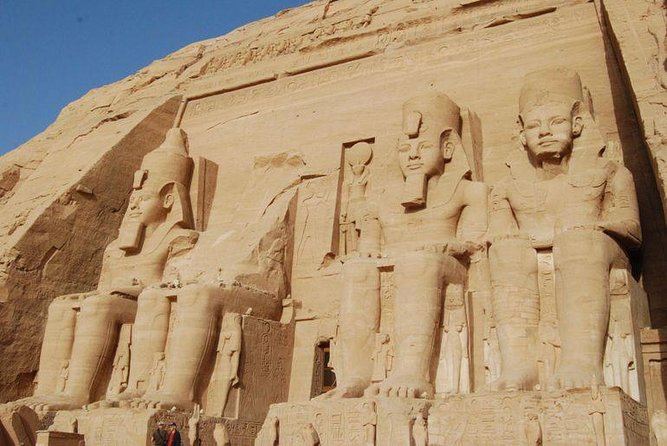
For many people, they are worth it. The approach is dramatic, and the first view of the Great Temple is hard to prepare for. Four huge seated figures of Ramses II are cut into the rock face, with the smaller Temple of Hathor beside them. The scale is enormous, yet the setting beside Lake Nasser gives the site a quiet, open feel.
The temples were built in the 13th century BC under Ramses II. The larger temple honors Ramses and includes scenes connected with his rule and military victories. The smaller temple honors Hathor, the goddess associated with music, joy, and motherhood, and Ramses’s favored wife, Nefertari.
I find the second temple especially important because it gives you a different view of royal power. Ramses appears beside Nefertari in figures of similar height, an unusual detail that makes the building feel less like a one-man monument.
The setting you see today is not the original one. In 1968, both temples were moved to higher ground as part of a UNESCO-led effort to save them from flooding caused by the Aswan High Dam. The entire cliff face was cut apart and rebuilt piece by piece. From the front, the joins are difficult to spot, which makes the engineering story almost as impressive as the ancient carvings.
More Abu Simbel Tours in Aswan
- From Aswan: Abu Simbel Temple Day Trip with Hotel Pickup
★ 4.4 · 2,807 reviews - Private Day Tour to Abu Simbel Temples from Aswan
★ 4.5 · 507 reviews - From Aswan: Abu Simbel Day Tour with Private Guide and Car
★ 4.3 · 342 reviews
The three-hour minibus journey from Aswan
The tour begins with pickup at your Aswan hotel or port in an air-conditioned minibus. Since this is a private activity, only your own group participates, which gives you more control than a standard coach trip. It also means you can ask questions without competing with a busload of people.
The road itself is not the attraction. You cross a broad desert region, and the trip can feel long, especially on the way back. Some departures travel in a convoy, a requirement connected with the road and tourist police arrangements. Convoy organization can sometimes cause waiting or changes in the planned departure and return times.
That makes the choice of start time important. An early departure around 3:45 or 4 a.m. can help you reach Abu Simbel before the heaviest crowds and the strongest heat. It also lets you finish the site visit earlier, though you give up sleep and may spend part of the return journey tired.
Later departures are possible on some bookings. One departure left Aswan around 8:45 a.m. and reached the site with a more relaxed morning, while another very late departure was timed to reach the temples with few people around. You should confirm the exact time offered for your date rather than assume that every departure follows the same schedule.
If you leave early, ask your hotel or cruise boat about a boxed breakfast. At least one departure included breakfast and coffee or tea from the boat, but this is not listed as a standard part of the tour, so treat it as something to arrange separately.
Bring water. A small pillow from your hotel may also make the long ride more comfortable, though you should ask before taking hotel property. The private vehicle is a benefit, but some groups have found the minibus cramped, so the number of people in your booking matters.
Arriving at the Abu Simbel temple complex
After the drive, you take a short walk from the vehicle toward the temples. Your guide explains the site before you enter, including the relocation project and the accidental discovery of the temples in 1813.
This outside briefing is useful because guides are not permitted inside either temple due to the number of visitors. A good guide will use photos or illustrations to point out what you are about to see, explain the basic plan, and help you notice details that would otherwise blur together in the dark halls.
The quality of this explanation can vary. Some guides have provided fluent English and strong historical background. Guides named Michael and Mark have been praised for clear explanations, good energy, and helpful support with photographs. Other departures have had guides who gave only a short briefing or struggled to answer basic questions. If detailed Egyptology matters to you, ask at the start how the visit will be organized and what you should look for inside.
One practical point: the briefing may take place outdoors, sometimes in strong heat. If your guide begins a long explanation in full sun, it is reasonable to ask to move into shade or save some details for the walk.
Inside the Great Temple of Ramses II
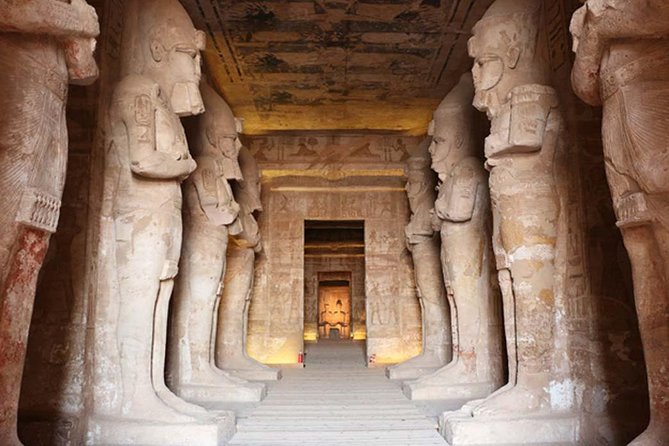
The Great Temple is the main event. Its facade is fronted by four seated figures of Ramses II, each reaching an extraordinary scale. Smaller figures of family members appear near the legs, giving you a sense of just how large the central statues are.
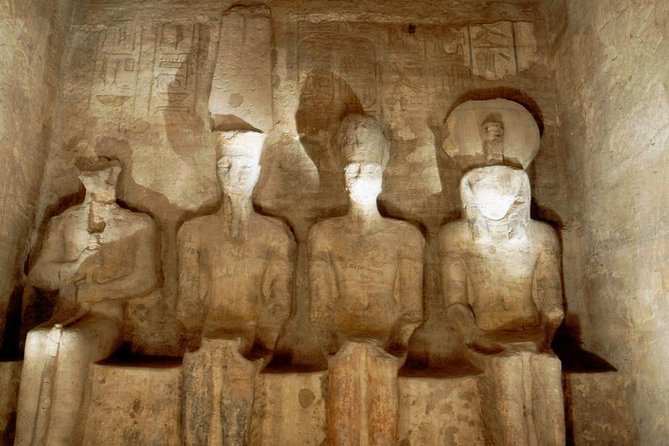
Inside, the first halls are lined with enormous statues and painted scenes. The walls include battle images linked with Ramses’s reign, along with religious scenes and figures carved into the stone. The interior is darker and more enclosed than the facade, so take a moment to let your eyes adjust.
Your guide will explain the layout before you enter, but you explore the interior on your own. That arrangement has both good and bad sides. You can move at your own pace and pause for details, but you cannot ask your guide a question the instant you notice something unusual.
The time allowed inside can feel short. Some departures have had about an hour at the complex, while others had closer to two hours. Convoy delays, crowd levels, and the return schedule all affect the visit. If the temples are your main reason for booking, ask how much time is planned on the ground and whether the return convoy fixes your departure time.
Do not spend the entire visit taking pictures of the facade. The interior reliefs and painted surfaces are a major part of the experience, and the smaller details can be easy to miss if you rush through the first halls.
A completely different sort of day in Aswan:
- Aswan: High Dam, Unfinished Obelisk, & Philae Private Tour
★ 4.5 · 375 reviews - Aswan: Edfu and Kom Ombo Day Tour with Luxor Transfer
★ 4.1 · 341 reviews - Aswan: Abu Simbel Group Tour with Guide and Entrance Fees
★ 4.3 · 337 reviews - Full Day tour to Abu simbel temples from aswan
★ 4.5 · 309 reviews
The smaller Temple of Hathor and Nefertari
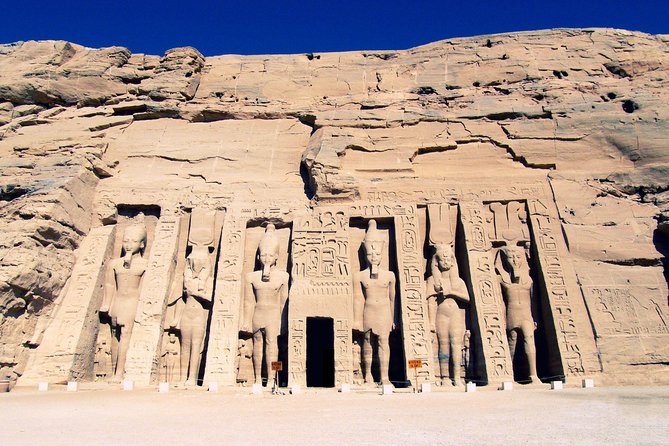
The Temple of Hathor is smaller, but it is not an afterthought. Its facade features figures of Ramses II and Nefertari, with images of Hathor connected to the temple’s purpose.
Inside, look for the murals and pillars showing Hathor and Nefertari. The building gives you a more personal view of the royal family than the Great Temple, and its smaller scale makes the rooms feel more manageable during a short visit.
Your guide should explain the relationship between the two temples before you go in. Once inside, you are free to study the carvings and paintings yourself. Since the guide cannot accompany you, it helps to remember the main points from the outside briefing or make a few notes before entering.
If you have limited time, make sure you see both temples rather than using all your time at the larger facade. The smaller temple takes less time to visit and adds an important part of the story.
The relocation story at the visitor center
If the schedule allows, you may stop at the nearby visitor center before returning to Aswan. It documents how the two temples were dismantled and rebuilt above the future flood level.
This is a valuable addition because the modern rescue project is easy to overlook once you are focused on the ancient statues. The relocation involved cutting the structures into sections, moving them, and reassembling them in a new position. The fact that you can walk through the temples today is the result of that huge operation.
Do not count on a long visit here. The stop is listed as possible rather than guaranteed, and a late arrival, convoy delay, or fixed return departure may leave no time. If this subject matters to you, ask your guide early in the day whether the visitor center can fit into the schedule.
What the private format adds
The private setup is most useful for couples, families, or small groups who want a direct transfer without waiting for other hotel pickups. Pickup and drop-off at an Aswan hotel or port also helps if you are traveling by Nile cruise and have only one free day in town.
You receive personalized attention from the Egyptologist guide, at least in principle. A strong guide can make a major difference here because the ride is long and the visit inside the temples is unguided. A weak guide leaves you with a costly transfer and a brief introduction.
The private format does not guarantee a quiet site or unlimited time. You still face the convoy system, road delays, visitor restrictions, and the same opening conditions as other people at Abu Simbel. It gives you a smaller group, not a private version of the monument.
Drivers and guides have not been equally consistent on every departure. Some drivers have been punctual and professional, while others have driven too aggressively or handled the return road less comfortably. One reported concern involved limited use of headlights during a dark return journey. This is not a reason to dismiss the tour, but it is worth raising any safety concern immediately.
Is $231.42 per person good value?
At $231.42 per person, this is not the cheapest way to reach Abu Simbel. You are paying for private air-conditioned transport, hotel or port pickup, and an Egyptologist guide rather than simply buying entry and finding a shared ride.
The value depends heavily on your group size. For two people, the private arrangement costs more per person but gives you a direct vehicle and personalized attention. For a larger group, the price may compare more favorably with booking separate seats or arranging an independent car.
I would consider the price fair if you value convenience, have a fixed day in Aswan, and want help understanding the monuments. I would be more cautious if you are comfortable arranging transport yourself or if your budget is tight. Some travelers have found similar arrangements through hotels for less, so it is worth checking the price of a private car and guide locally before committing.
The experience earns its cost only if the guide adds real value. Ask whether the guide will give a full briefing on both temples, answer questions, and help you plan the limited time inside. If the guide only provides a ten-minute talk, much of the premium is paying for transport.
Who should book this Abu Simbel trip?
This tour suits you if you are staying in Aswan for a short time and want the simplest way to see Egypt’s southern showpiece. It also works well for families or small groups who prefer their own vehicle and do not want to follow a large tour party.
It is a good choice for anyone who wants a guide but understands that the guide cannot enter the temples. You should be comfortable reading the interior as an independent visit after receiving an explanation outside.
You may want another arrangement if you dislike long road journeys, need guaranteed time inside, or want a detailed guided tour in every room. Six hours of driving for a relatively short visit is a serious tradeoff, not a minor inconvenience.
Free cancellation is available when you cancel at least 24 hours before the local start time. Changes or cancellations made later are not accepted for a refund. Passport name, number, expiry date, and country are required for all participants at booking.
Should you book it?
Book this tour if Abu Simbel is high on your Egypt list and you want a private, organized day from Aswan. The temples are extraordinary, the relocation story adds a remarkable modern chapter, and the private minibus is more comfortable than joining a large coach.
Before paying, confirm the departure time, expected convoy schedule, vehicle size, and planned time at the temples. Choose the earliest practical departure if cooler temperatures and smaller crowds matter most. Choose a later time only if you accept the risk of heat, crowds, or a shorter site visit.
My main advice is to judge the tour by the guide as much as by the transport. Guides such as Michael and Mark have shown how much a clear, lively explanation can add. With the right guide, the long road feels worthwhile. Without one, you are mainly buying a private transfer to a spectacular place.
FAQ
How long does the Abu Simbel tour take?
The tour lasts about eight hours, including roughly three hours of driving each way between Aswan and Abu Simbel.
Where can pickup and drop-off take place?
Pickup and drop-off are available from Aswan hotels and the Aswan port.
Is this a private tour?
Yes. Only your own group participates in the private activity.
Can the guide enter the temples with me?
No. Guides are not permitted inside either temple because of the high number of visitors. The guide explains the interiors outside, then you enter and explore independently.
Which temples are included?
The visit includes the Great Temple of Ramses II and the smaller Temple of Hathor, associated with Hathor and Nefertari.
Is the visitor center guaranteed?
No. You may visit the nearby visitor center if time allows. It explains how the temples were moved in 1968 to protect them from flooding after the Aswan High Dam was built.
Just added in Aswan
- 5 Days Cairo, Aswan, and Abu Simbel Tour★ 5.0 · 21 reviews
- 10 Day Egypt Wonders of the Pharaohs Cairo & Alexandria & The Nile & Abu Simbel★ 5.0 · 15 reviews
- Private Tour in Aswan : Felucca and Nubian village★ 5.0 · 29 reviews
- Philae Temple and Aswan High-Dam Half-day tour★ 5.0 · 49 reviews
- Nubian Village by Motorboat In Aswan★ 5.0 · 97 reviews
- Day Tour to Abu Simbel from Aswan by Bus★ 4.5 · 25 reviews
- Abu Simbel Private Full-Day Tour from Aswan★ 5.0 · 114 reviews
- Aswan Philae Temple, Obelisk, and High Dam Private Tour★ 4.5 · 17 reviews
Abu Simbel Tours, compared.
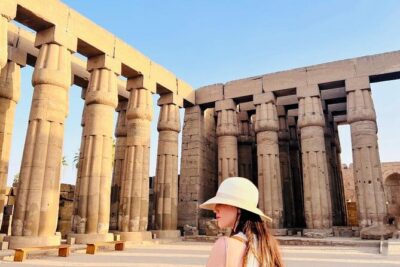
4-Days Nile Cruise From Aswan To Luxor including Abu Simbel and Hot Air Balloon
Read our review →
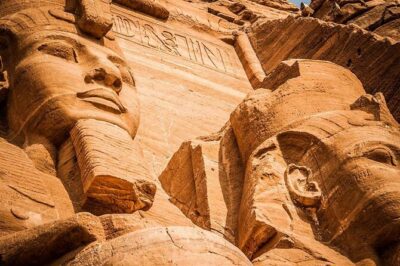
Private Day Tour to Abu Simbel Temples from Aswan
Read our review →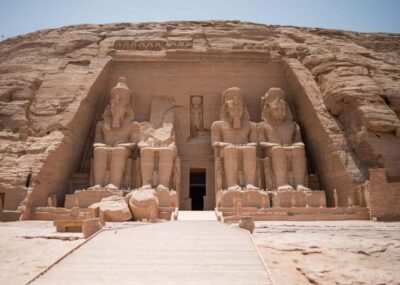
Abu Simbel Group Tour with Guide and Entrance Fees
Read our review →Browse the lists this tour appears in