
Reviewed · NILE CRUISES
Nile Cruise 4 Days 3 Nights from Aswan to Luxor
The best part of this four-day Nile cruise is the steady rhythm: ancient temples by day, river views from the deck, and a comfortable ship at night. You cover the essential sights between Aswan and Luxor without arranging a new car, guide, ticket, and hotel for every stop.
I especially like the visit to Philae, reached as part of the Aswan touring day, and the private Egyptologist-led sightseeing. Guides named Mohamed, Khalid, and Kheled Elhowerw have been praised for patient explanations and good humor. The main caution is that ship quality and food may not match the 5-star label, and the stated meeting point says Luxor even though the itinerary begins in Aswan.
I also like the value of having three nights, meals, transfers, admissions, and guiding bundled into one price. At $850 per person, this is not a bare-bones boat ride. It is a structured Nile tour with many major sites already paid for.
Key points to know before booking
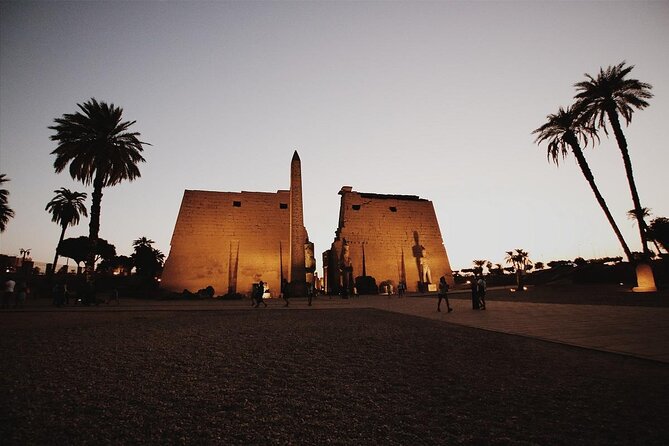
- Philae, Kom Ombo, Edfu, and Luxor are all covered: You see the major temple sites between Aswan and Luxor in a compact four-day schedule.
- A private tour format gives you more personal help: Only your group participates, while an Egyptologist guide leads the sightseeing.
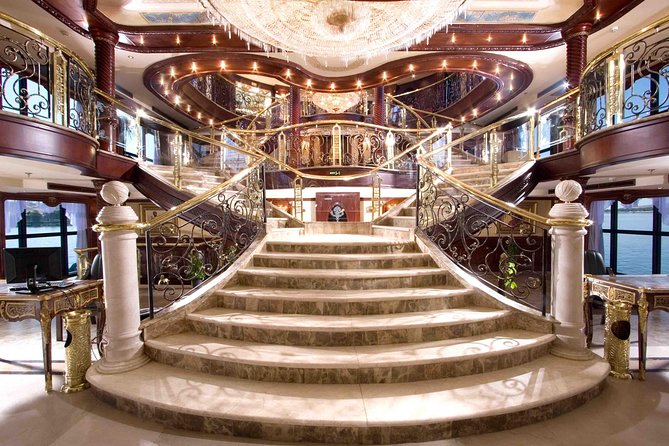
- Three nights on a 5-star cruise ship are included: Breakfast, lunch, dinner, service charges, taxes, and listed entrance tickets are part of the package.
- The West Bank day is the historical high point: The Valley of the Kings, Hatshepsut’s temple, and the Colossi of Memnon form a strong morning of sightseeing.
- Food and ship standards deserve realistic expectations: One detailed comment praised the service but wanted better food, and another found the room small.
- Confirm the starting arrangements: The itinerary begins with Aswan visits, but the meeting information lists Luxor as the start and end point.
Why this Aswan to Luxor cruise works
The Nile is the organizing line of ancient Egypt, and this cruise lets you follow it rather than merely shuttle between monuments. From Aswan, you move north toward Luxor, stopping at temples that show how Egyptian worship changed from place to place.
You get a private sightseeing arrangement, but the cruise itself may include other passengers. That distinction matters. Your guide and vehicle arrangements are for your group, while the ship’s dining room, deck, and onboard activities are likely shared.
The pace is full but sensible for someone visiting Egypt for the first time. The tour gives you the main sites, yet you should not expect long, quiet hours at every monument. Several stops come early in the day or between sailing schedules, so comfortable shoes, sun protection, and a willingness to start promptly will help.
The package includes a bottle of water during the trip, air-conditioned transfers, airport or railway station transfer at the end, and all the listed temple admissions. You still pay for optional tours and tips. Those exclusions are easy to plan for, but they mean the $850 price is not the final amount you will spend.
A few more days out in the Nile Valley to weigh up
- 4-Day 3-Night Nile Cruise from Aswan to Luxor&Abu Simbel+Balloon
★ 5.0 · 2,023 reviews - 4-Day 3-Night Nile Cruise from Aswan to Luxor including Abu Simbel, Air Balloon
★ 4.5 · 612 reviews - From Aswan: 4-Day Nile Cruise from Aswan to Luxor with Guide
★ 4.1 · 593 reviews
Day one: Philae, the High Dam, and the Unfinished Obelisk
Your first sightseeing day focuses on Aswan’s three signature stops. The order begins with Philae Temple, followed by the High Dam and the Unfinished Obelisk.
Philae Temple and the story of Isis
Philae was dedicated to Isis, one of ancient Egypt’s most important goddesses. The temple complex is one of the most atmospheric stops on the route, especially because it is separated from the modern city and reached as part of the organized visit.
You receive about two hours here, with admission and an Egyptologist guide included. That time gives you room to look at the carved columns, religious scenes, and surviving structures instead of rushing through for a single photograph.
The guide adds real value at Philae. Without context, the inscriptions and reliefs can blur together. With an explanation of Isis, the temple’s religious purpose, and the site’s place in the wider Nile story, the visit becomes easier to follow.
Aswan High Dam
The High Dam is a sharp change of subject. After an ancient temple, you see a major twentieth-century engineering project built in the 1960s to control the Nile’s annual floods.
The stop lasts about an hour and is included with admission. It helps explain why the river looks and behaves differently today, and why several ancient sites required careful protection. The dam is not an ornate monument, so I would treat it as a useful context stop rather than the emotional centerpiece of the day.
More Nile cruises to weigh up:
- 4-Days Nile Cruise From Aswan To Luxor including Abu Simbel and Hot Air Balloon
★ 5.0 · 3,142 reviews - 4-Days Nile Cruise From Aswan To Luxor including Abu Simbel and Hot Air Balloon
★ 4.5 · 509 reviews - 4-Day 3-Night Nile Cruise from Aswan to Luxor – Private Tour
★ 5.0 · 369 reviews - 4 Days Nile Cruise from Aswan to Luxor including Abu Simbel and Hot Air Balloon
★ 4.5 · 356 reviews
The Unfinished Obelisk
At the Unfinished Obelisk, the attraction is the work left behind. You can see how stone was cut and shaped, and where the process stopped before the monument was completed.
The site is associated with Queen Hatshepsut, one of Egypt’s most important female rulers. The one-hour visit gives you time to look at the scale of the stone and understand the practical side of ancient building.
The three stops make a good opening day because they show religion, modern engineering, and stoneworking in one compact circuit. After the touring, you return to your starting point or ship arrangements, depending on the exact pickup plan confirmed by the operator.
Day two: the twin gods of Kom Ombo and Edfu’s Horus temple
The second day follows the river north. This is where the cruise itself becomes part of the experience. You sail to Kom Ombo, continue toward Edfu, and later sail onward to Luxor.
Kom Ombo and its unusual double design
Kom Ombo is dedicated to two gods, Sobek and Horus. Sobek is linked with the crocodile, the Nile, military power, and fertility, while Horus represents the sky and kingship.
The temple’s shared arrangement makes it especially easy to understand with a guide. You are not just looking at another set of columns. You are seeing how one temple could serve different religious traditions and divine roles.
The visit lasts about an hour. That is enough for the main explanations and photographs, though anyone fascinated by inscriptions may wish for more time. The ship schedule keeps the group moving, which is one of the tradeoffs of a short cruise.
Edfu and the sacred drama of Horus and Seth
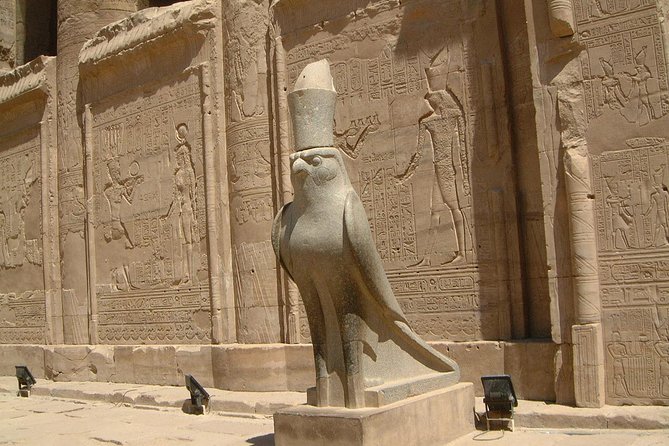
Edfu is the longer temple visit, with about two hours assigned. It is dedicated to Horus and includes important scenes connected with the conflict between Horus and Seth.
This is one of the strongest stops for readers who enjoy carved stories. Your guide can point out the scenes and explain the sacred drama, giving the walls a narrative instead of leaving you to guess at each panel.
Afternoon tea is served while sailing toward Luxor. That small detail gives the day a welcome pause. You can sit back, watch the river, and let the monuments give way to the simple pleasure of being on the water.
The cruise views are a major reason to choose this format over a road-based itinerary. You see the Nile from the ship’s deck rather than only through a vehicle window. One account praised the river views from the top of the boat, while another found the cabin tight but enjoyed being outside. I would treat the deck as the best place to enjoy the ship, especially if your room feels limited.
Day three: the Valley of the Kings and Luxor’s West Bank
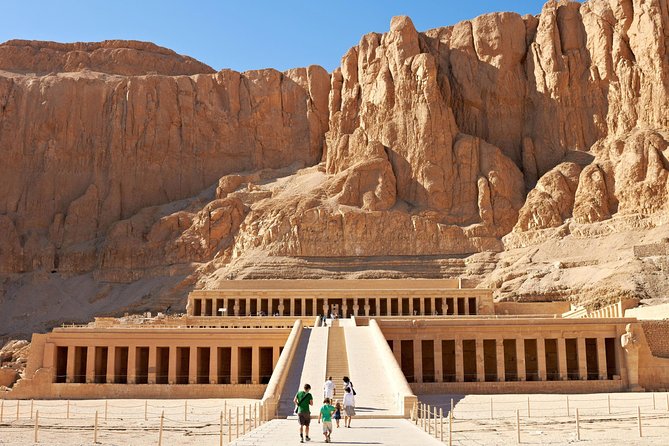
The third day brings the route’s most famous royal sites. You visit the Valley of the Kings, the temple of Hatshepsut, and the Colossi of Memnon.
Tombs in the Valley of the Kings
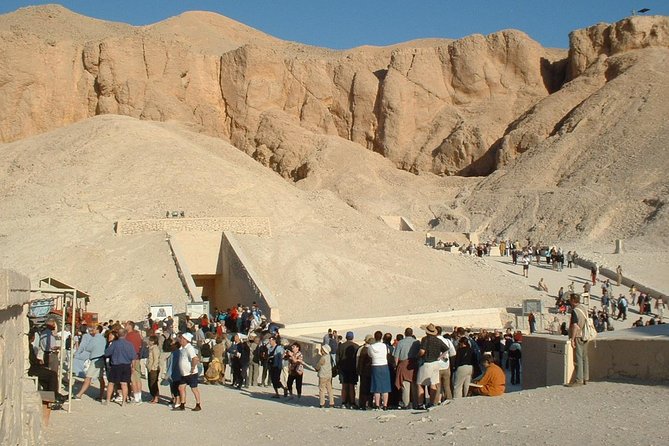
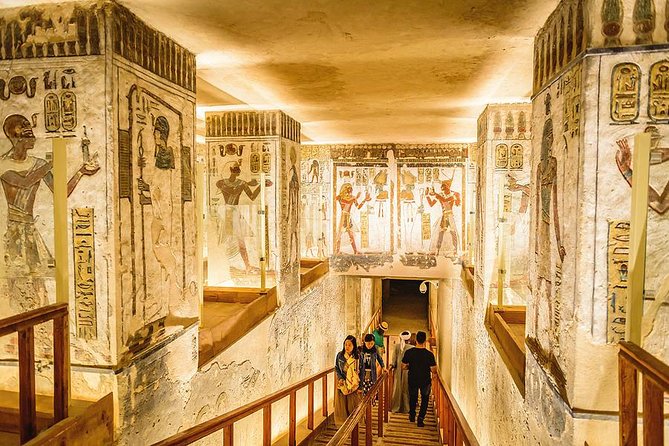
The Valley of the Kings is the headline stop for many people. The program includes tomb visits connected with Tutankhamun, Ramesses VI, Thutmose, and Amenhotep II, along with the wider royal burial ground.
The allotted two hours gives you a useful introduction, but it does not turn the valley into an unlimited museum visit. Tomb access can vary, so you should listen closely to the guide about which interiors are open as part of the visit.
This is where a good Egyptologist earns the fee. Tomb decoration has a purpose, with repeated symbols, gods, and scenes tied to the afterlife. A guide such as Mohamed or Khalid can make the walls easier to read and help you place the pharaohs in time.
Expect heat and uneven ground. You will get more from the visit if you carry water, wear practical shoes, and save some energy for the other West Bank sites.
Hatshepsut at Deir el Bahari
The temple of Queen Hatshepsut is set against the cliffs of Deir el Bahari. Hatshepsut was the first pharaonic woman to rule Egypt, making this more than a quick photo stop.
The visit lasts about an hour. The broad terraces and strong setting make the temple easy to remember, while the guide can explain how Hatshepsut presented her authority.
This stop works well after the tombs. The valley shows royal burial traditions, while Hatshepsut’s temple shows how a ruler built a public religious identity.
The Colossi of Memnon
The Colossi of Memnon are twin statues of Amenhotep III. You have about twenty minutes here, which is enough for photographs and a short explanation.
The site also carries an unusual legend. An earthquake damaged the northern statue, and it was said to sing within an hour or two of sunrise. You will not need much time here, but the stop breaks up the longer West Bank day and gives you a clear view of the enormous figures.
Day four: Karnak, Luxor Temple, and departure
The final day is devoted to two major temple complexes before a transfer to the airport or railway station.
Karnak’s huge religious complex
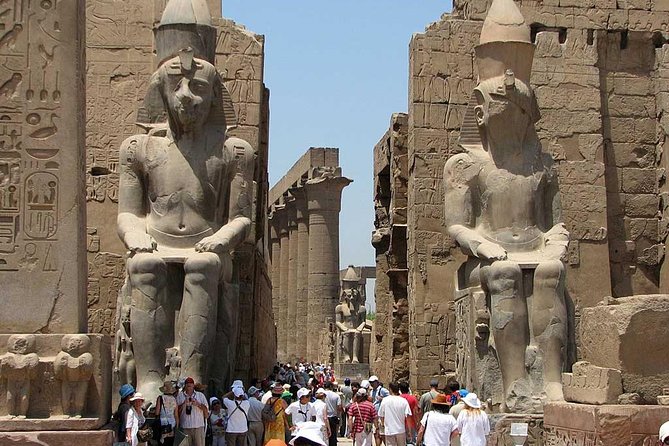
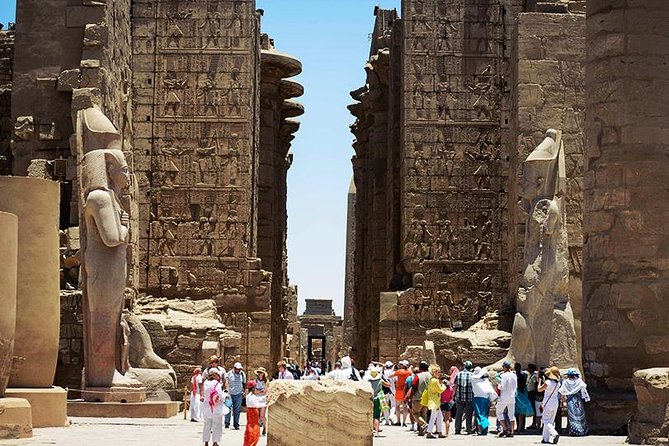
Karnak is the longer final visit, with about two hours planned. It was dedicated to Amun and his wife Mut and is one of the largest religious sites in Egypt.
The complex can feel confusing at first because it is not one single building. Your guide helps you make sense of the pylons, columns, courts, and sacred areas. The visit also connects the temple to the earliest international peace treaty known to historians, preserved in an Egyptian version on a wall in the Temple of Amun at Karnak.
Do not rush this stop. The scale is part of the point. You need time to look upward, compare the columns, and understand how many rulers added to the site over generations.
Luxor Temple at the end of the cruise
Luxor Temple is the final listed monument. It was begun by Amenhotep III in the Eighteenth Dynasty and completed by Ramesses II in the Nineteenth Dynasty.
The temple honored Amun-Ra, Mut, and Khonsu, the Theban triad. The obelisk of Ramesses II in front of the first pylon is one of the clearest visual markers of the site.
You have about an hour here before the transfer for departure. That timing makes Luxor Temple a fitting finish, but it can also feel quick after Karnak. Keep your camera ready and pay attention to the guide’s main points, since you may not have time to linger at every section.
The ship, meals, and what $850 buys you
At $850 per person, the price makes sense if you value convenience and full coverage. You receive three nights aboard a 5-star cruise ship, full-board meals, air-conditioned transfers, an Egyptologist guide during excursions, admission to every listed site, and service charges and taxes.
Breakfast, lunch, and dinner are included for all three nights. Vegetarian food is available if you request it when booking. One important practical note: the strongest criticism in the available comments concerns food quality, not a lack of meals. Another person found the room small but enjoyed the deck, while other comments praised the onboard service.
That gives you a fair picture. The boat provides a comfortable base and a pleasant way to see the river, but you should not book this expecting a luxury hotel room at sea. The value comes from combining transport, lodging, meals, guide service, and entrance tickets.
Tips are not included. Optional tours are also extra. Bring some Egyptian currency or another suitable way to handle gratuities, but the exact amount is not specified here, so ask the operator for current guidance.
Guide quality and the private format
The guide is one of the most important parts of a Nile cruise. A ship can carry you to a monument, but it cannot explain why the monument matters.
The private format means only your group participates in the tour activity. That can make a real difference at sites such as the Valley of the Kings and Karnak, where questions come easily. The guides named in the comments include Mohamed, Khalid, and Kheled Elhowerw. They were praised for patience, humor, strong explanations, and helpful conduct.
Georgina, the local operator at Reflections Travel, was also described as very responsive by email. That kind of communication matters when your flight, railway arrival, or pickup timing does not fit a standard schedule.
Still, confirm who your actual guide will be. The names above are examples from past bookings, not a guarantee for your departure.
Who should book this cruise
I would choose this experience if you want Egypt’s major Nile sights arranged in one package and do not want to negotiate every transfer yourself. It suits first-time visitors, couples, families, and anyone who prefers a guide at the monuments.
It is also a good choice if you enjoy slow river views between busy sightseeing stops. The deck gives you a break from temples, vehicles, and heat.
I would be more cautious if you want a highly polished luxury cruise, a spacious cabin, gourmet food, or a very flexible schedule. The itinerary is fixed, the days are full, and the ship experience may feel more practical than lavish.
The booking details require special attention. The listed meeting point says Luxor City, with Luxor shown as both start and end, while the first day begins with sightseeing in Aswan. Because that affects flights, trains, and hotel plans, contact Reflections Travel before paying to confirm the exact pickup location and transfer sequence.
Cancellation is free up to 24 hours before the experience start time. Changes or cancellations inside that window are not accepted for a refund, and poor weather may lead to a different date or a full refund.
Should you book the Aswan to Luxor Nile cruise?
Book it if you want a well-covered first Nile journey with the big temples, royal tombs, meals, transport, and guiding handled together. The strongest reasons are the private Egyptologist service, the clear route from Aswan to Luxor, and the chance to enjoy the river between visits.
Think twice if your priority is ship luxury rather than sightseeing. Ask about the exact vessel, cabin, food arrangements, and pickup point before booking. With those details confirmed, $850 per person can be fair value for four concentrated days in southern Egypt.
FAQ
How long is the Nile cruise?
The experience lasts approximately four days and includes three nights aboard the cruise ship.
Where does the itinerary begin?
The sightseeing itinerary begins in Aswan with Philae Temple, the Aswan High Dam, and the Unfinished Obelisk. The meeting information lists Luxor City as the start point, so confirm the exact pickup arrangement with the provider.
Where does the experience end?
The itinerary ends in Luxor after the visit to Luxor Temple, followed by a transfer to the airport or railway station. The meeting information also lists Luxor City as the end point.
Is an Egyptologist guide included?
Yes. An Egyptologist guide accompanies you during the listed excursions. The tour is private, so only your group participates in the activity.
Are meals included?
Yes. Breakfast, lunch, and dinner are included for three days on a full-board basis. A vegetarian option is available if you request it when booking.
Are entrance tickets included?
Yes. Admission is included for Philae Temple, the High Dam, the Unfinished Obelisk, Kom Ombo, Edfu, the Valley of the Kings, Hatshepsut’s Temple, the Colossi of Memnon, Karnak, and Luxor Temple.
What is excluded from the price?
Optional tours and tipping are not included. Service charges and taxes are included, as is a bottle of water during the trip.
Just added in the Nile Valley
- Egypt 8 Days Cairo,Nile cruise,Luxor,Aswan from Cairo airport★ 5.0 · 79 reviews
- Private Tour: 7 Nights Pyramids & Nile Cruise +Flights from Cairo★ 4.5 · 157 reviews
- 8 Day Cairo Pyramids and Nile cruise and Alexandria All inclusive Private Tour★ 5.0 · 23 reviews
- 7 Days Egypt Tour Package to Cairo and Nile Cruise★ 5.0 · 62 reviews
- 6-Day Egypt Package, Nile Cruise from Aswan to Luxor by Flights★ 5.0 · 18 reviews
- Private 6-Days Egypt Tour Package with Nile Cruise by Flights★ 4.0 · 59 reviews
- Egypt in 9 Days from Saturday to Sunday including tours and Dahabeya Nile trip.★ 5.0 · 21 reviews
- From Cairo 4-Day Nile Cruise to Aswan by Flights& Hot Air Balloon★ 4.5 · 44 reviews
Nile Cruises, compared.
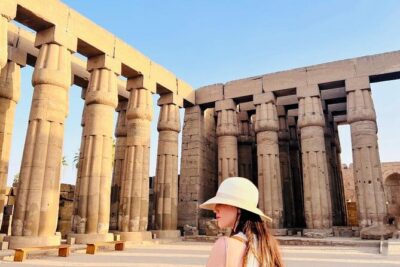
4-Days Nile Cruise From Aswan To Luxor including Abu Simbel and Hot Air Balloon
Read our review →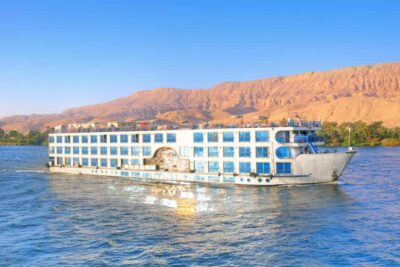
4-Day Nile Cruise from Aswan to Luxor with Guide
Read our review →Browse the lists this tour appears in