
Reviewed · LUXOR TOURS
Top Day Tour To Luxor From Aswan
Luxor’s greatest temples and tombs make a long day from Aswan, but this 13-hour private trip covers the main sights in one efficient sweep. You leave the Nile town of Aswan behind, cross the fertile Nile Valley, and reach ancient Thebes, where the Valley of the Kings, Karnak, and Luxor Temple tell very different parts of Egypt’s story.
I like the private guide and vehicle, since your group can move at its own pace and ask questions without following a large crowd. I also like the clear route: tombs and royal monuments on the West Bank in the morning, then the grand temples of the East Bank after lunch.
The catch is the road time. Aswan and Luxor are about 280 kilometers apart, so you spend many hours in the vehicle. Lunch is also listed as optional rather than included, and the published pickup time says 7:00 PM even though the arrival schedule points to a 7:00 AM departure. Confirm that detail before you go.
Key points to know before booking
- Four major Luxor highlights in one day: The route includes the Valley of the Kings, Hatshepsut’s temple, Karnak, and Luxor Temple, with the Colossi of Memnon added along the way.
- Private touring: Only your group takes part, with hotel or Nile cruise pickup and return included.
- A real Egyptologist guide: Guides associated with this trip include Mohamed Hashimi, Ayman, Ahmed, Ashraf, and Ghada Khalaf.
- A long but direct road journey: The drive from Aswan to Luxor covers about 280 kilometers and takes roughly three hours each way.
- Basic entry is covered: Admission to the listed sites is included, but special tomb access and optional activities are not.
- Lunch needs checking: The main details describe lunch as optional, so plan to pay separately at a local restaurant.
Why this Aswan to Luxor day trip works
Luxor is not a quick side trip from Aswan. The two cities are far enough apart that visiting by road requires an early start and a late return. Still, this outing gives you the strongest possible reason to make the journey: it links the most important royal and religious sites in Luxor in one day.
The schedule follows a sensible pattern. You begin on the West Bank, where ancient Egyptians built tombs and mortuary temples for the dead. After crossing to the East Bank, you visit the great temples connected with worship and kingship. That division helps you understand Luxor instead of seeing it as a string of unrelated ruins.
You travel in a private air-conditioned vehicle with a guide, bottled water, hotel pickup, and return included. That matters on a hot day and also removes the work of arranging separate transport between widely scattered sites.
The price is $140 per person. For a private vehicle, guide, entrance fees to the listed places, and a full day of sightseeing, that can be fair value, especially if two or more people share the booking. It is less attractive for a solo visitor, since the price is charged per person and the day remains physically demanding. Group discounts may improve the cost for larger parties.
A few more days out in Luxor to weigh up
- Hurghada: Luxor Valley of the Kings & Tutankhamun Tomb Trip
★ 4.7 · 13,208 reviews - Luxor Day Trip from Hurghada Small Group & Tutankhamun Tomb
★ 4.8 · 5,366 reviews - Hot Air Balloon Ride in Luxor Egypt with Transfers Included
★ 5.0 · 4,319 reviews
The road from Aswan to ancient Thebes
Pickup is offered from your Aswan hotel or Nile cruise. The published itinerary says 7:00 PM, but the same schedule says you reach Luxor around 10:00 AM after a 280-kilometer drive. That clearly suggests a morning departure, so I would confirm the exact pickup hour directly after booking.
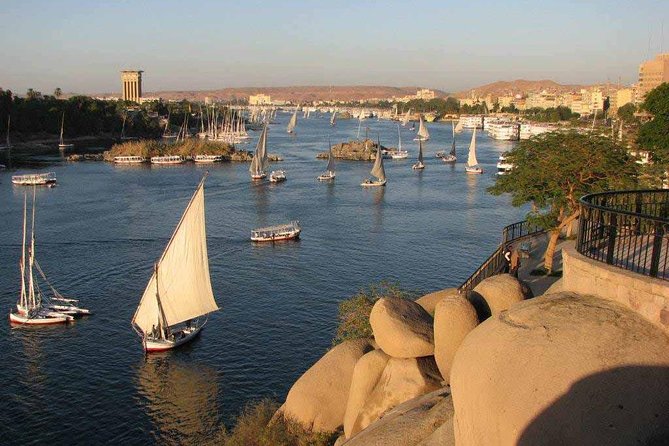
The drive itself is part of the setting. You pass through the Nile Valley, with farmland and traditional villages replacing the city views around Aswan. This is not a scenic excursion with planned photo stops, but looking out the window gives you a useful sense of how tightly Egyptian life follows the river.
The return trip comes after a full day on your feet. You should think of this as a convenient transfer plus sightseeing, not a relaxed day at leisure. If you are staying in Luxor for several nights, visiting separately would allow more time. If Aswan is your base and your schedule is tight, this tour saves you from missing Luxor altogether.
Valley of the Kings: tombs beneath the cliffs
Your first major stop is the Valley of the Kings on Luxor’s West Bank. Here, pharaohs were buried in rock-cut tombs rather than in the great pyramids associated with earlier royal burials. The valley’s dry setting helped preserve painted scenes and inscriptions inside the tombs.
The route refers to tombs connected with rulers such as Thutmose I, Thutmose III, Tutankhamun, Ramesses VI, Merenptah, and Amenhotep II. Your basic admission covers the standard area, but it does not necessarily include every special tomb. Ask your guide which tombs are open and what extra tickets cost before entering.
Allow about two hours here. That sounds generous, but the valley is not one single building. You move between the ticket area, the tomb entrances, and the surrounding cliffs, often in strong sun. The most famous name is Tutankhamun, but the small size of his burial chamber can surprise you. Some less famous tombs may offer more impressive painted decoration.
This is the stop where a good guide adds the most value. The wall scenes are not simply decoration. They show gods, rituals, protective texts, and the pharaoh’s journey into the afterlife. Guides associated with this tour have included Mohamed Hashimi, Ayman, Ahmed, Ashraf, and Ghada Khalaf, among others. The exact guide is not guaranteed, but the booking information identifies the service as led by a qualified Egyptologist.
You should also pace yourself. Three or four tombs can be enough for one visit, especially when you still have Hatshepsut, Karnak, and Luxor Temple ahead. The valley is rewarding, but it is not the place to use all your energy at the start.
Hatshepsut’s temple and the story of a female ruler
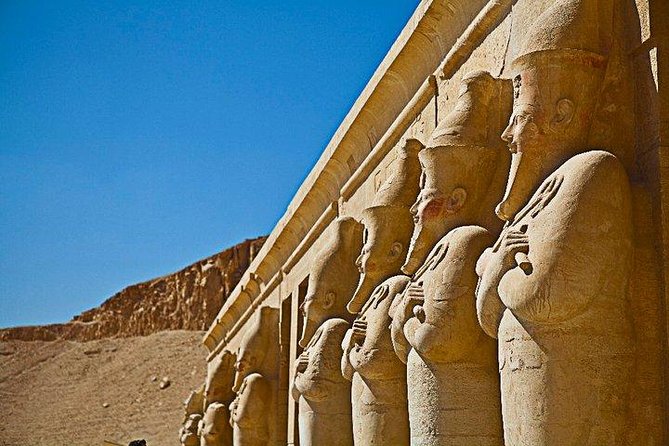
From the Valley of the Kings, the tour continues to the Temple of Hatshepsut at Deir el Bahari. The temple rises against the cliffs in broad terraces, giving it a very different shape from the enclosed temples you see later on the East Bank.
Hatshepsut ruled Egypt during the 18th Dynasty, around 1490 to 1469 BC according to the supplied itinerary. She was the daughter of Thutmose I and one of the few women to rule Egypt as pharaoh. Her temple presents her reign through reliefs, religious scenes, and images of royal power.
This stop is valuable because it gives your guide room to explain how Egyptian kingship worked. Hatshepsut had to present herself in the traditional language of pharaohs, even though she was a woman. The monument’s design also shows how the natural cliffs could become part of a royal building.
Plan on roughly two hours for Hatshepsut and the nearby Colossi of Memnon together. The open terraces offer little shade, so bottled water is useful. The site is also exposed, and the heat can build quickly. Your guide can help you focus on the key courtyards and reliefs rather than wandering without a plan.
A completely different sort of day in Luxor:
- Small group Hurghada to Luxor, Valley of the Kings by Van
★ 4.5 · 2,470 reviews - Luxor: Shared Full-Day Tour to Luxor West and East Banks
★ 4.5 · 1,812 reviews - Luxor: Hot Air Balloon Ride over Luxor Relics
★ 4.8 · 1,681 reviews - Luxor Day Tour: Valley of Kings & Queens & Hatchepsut Temples
★ 5.0 · 1,496 reviews
Colossi of Memnon: a brief stop with an unusual afterlife
The Colossi of Memnon are two huge stone statues of Amenhotep III. They once stood before his mortuary temple, which was the largest temple in the Theban Necropolis. The temple itself is now largely ruined, leaving the statues as the main reminder of its former scale.
This is a short stop, usually about 30 minutes. You have time to see the statues, take photographs, and hear why ancient Greek and Roman visitors connected the northern statue with Memnon, a figure from Greek mythology.
Roman-era inscriptions in Greek and Latin were carved on the statues between about AD 20 and 250. Some refer to the belief that the statue represented Memnon. That later story gives the stop extra interest, since the monument’s fame changed long after Amenhotep III’s reign.
Do not expect a full archaeological visit here. The Colossi are a roadside-style stop compared with Karnak or the Valley of the Kings. Their size makes the impression quickly, but the guide’s explanation helps you understand what is missing around them.
Lunch and the move to Luxor’s East Bank
After the West Bank, the route shifts to the East Bank. Lunch at a local restaurant is optional and is not included in the price, despite the general description mentioning lunch as part of the day. Confirm the arrangement before setting out, and carry money for the meal.
That small detail affects the value of the trip. The day is long, and you will want a proper break rather than relying only on bottled water. If the guide takes you to a local restaurant, ask what is included and whether drinks cost extra.
The East Bank sequence is the right choice after lunch. Karnak needs time and attention, while Luxor Temple is especially rewarding as the final major monument because it sits within the modern city and has a more intimate feel than the enormous Karnak complex.
Karnak Temple: Egypt on a giant scale
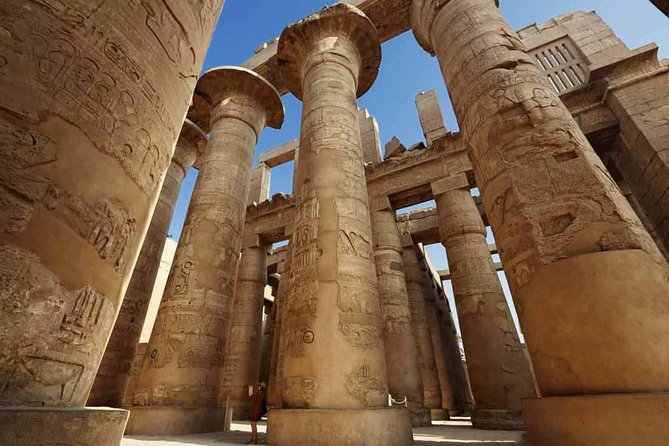
Karnak is the biggest stop of the day and the one most likely to overwhelm you. It is not a single temple but a huge complex of pylons, sanctuaries, chapels, columns, and later additions built over many centuries.
Construction began during the Middle Kingdom under Senusret I and continued into the Ptolemaic period. Much of what you see today comes from the New Kingdom, when Thebes was Egypt’s religious center and Amun was the leading god of the Theban Triad.
Give yourself about an hour here according to the planned schedule, though the complex could easily occupy much longer. The Great Hypostyle Hall is the visual centerpiece, with enormous columns covered in carved and painted details. Your guide can point out scenes of kings making offerings, religious symbols, and the way later rulers added their own names to an already ancient sacred site.
Karnak is where the private format pays off. You can stop for an explanation, ask about a particular relief, or move on when the heat becomes tiring. With a large group, you might spend more time waiting for everyone to gather.
The drawback is that one hour is brief for such a large site. If Karnak is your main reason for going to Luxor, a dedicated Luxor visit would give it more justice. On this day trip, focus on the main processional areas and the Great Hypostyle Hall rather than trying to see every corner.
Luxor Temple: kingship beside the modern city
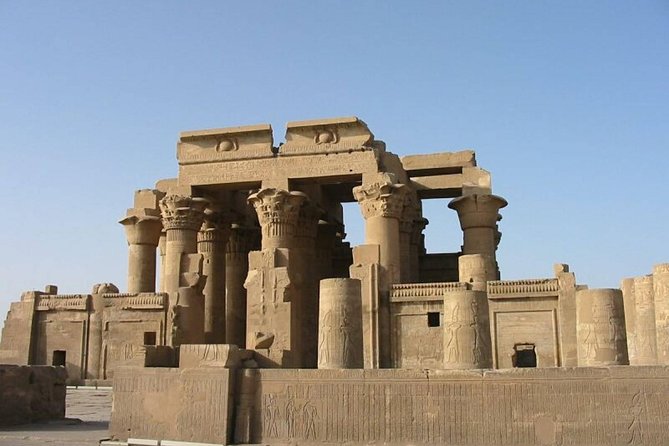
Luxor Temple provides a fitting final stop. Built around 1400 BC on the East Bank, it was known in ancient Egyptian as Ipet Resyt, or the southern sanctuary. Unlike many temples dedicated to a particular cult god, Luxor Temple was closely linked with the renewal of kingship.
That makes it different from Karnak. Karnak feels like a vast religious center that grew over centuries. Luxor Temple feels more focused, with a clear ceremonial purpose tied to royal power. Your guide can explain how pharaohs were connected with the gods and how the temple may have played a role in royal coronation ceremonies.
The itinerary allows about an hour here. You will see large gateways, columns, statues, and carved reliefs. The temple’s location in present-day Luxor also gives you a strong sense of how ancient monuments remain part of the living city rather than sitting far from modern life.
The site can be particularly effective at the end of the day because you have already seen the royal tombs and Karnak’s religious complex. Luxor Temple pulls those ideas together: burial, worship, divine authority, and the public image of the pharaoh.
Guides, vehicles, and the private format
A private tour means only your own group takes part. That is useful for families, couples, and friends who want to control the pace. It also makes the day easier if some people want more time in a tomb while others prefer to move on.
The guide is central to the experience. Names connected with this service include Mohamed Hashimi, Ayman, Ahmed, Ashraf, and Ghada Khalaf. Past guide assignments can differ, so you should not book on the assumption that one particular person will lead your outing unless the operator confirms it.
The included vehicle is private and air-conditioned. That is a practical advantage on the Aswan to Luxor road, especially after walking through exposed archaeological sites. Bottled water is included, but you should still plan for the heat and the long hours outside.
The guide and driver roles may not be identical. One account notes a driver named Mohammed who communicated in basic English while the guide handled the historical explanations. That arrangement is normal for a long road day, but if you need detailed conversation in a particular language, confirm the language support in advance.
Who should book this $140 day trip
I would choose this tour if you are staying in Aswan and have only one available day for Luxor. It covers the essential West Bank and East Bank sights without asking you to arrange several taxis, site tickets, and a guide on your own.
It also suits families. Guides have helped with photographs, and the private setting makes it easier to adjust the pace. Mohamed Hashimi has been noted for taking family pictures and handling practical details, while Ghada Khalaf has been praised for keeping explanations lively during a hot day and during Ramadan.
I would hesitate if you dislike long road journeys or want a slow archaeological visit. The return to Aswan follows a full day of sightseeing, and the schedule leaves limited time at each major monument. A solo visitor should also compare the cost with other transport options, since $140 per person is better value when shared by a small private group.
The tour is recommended by 97 percent of its published audience and carries a 4.8 rating from 30 ratings. That is a strong signal, but the practical details matter more than the number: confirm the pickup hour, ask about lunch, and check which special tombs require extra payment.
Should you book it?
Book this tour if Luxor is a priority and Aswan is your base. You get a private air-conditioned ride, an Egyptologist guide, the main entrance fees, bottled water, and a carefully ordered route through the Valley of the Kings, Hatshepsut, Karnak, and Luxor Temple.
Skip it if you can spend several nights in Luxor or if the thought of roughly six hours on the road sounds exhausting. For everyone else, this is a strong one-day solution, provided you accept the early start, optional lunch, and fast pace. Free cancellation is available until 24 hours before the start time, which gives you some room to adjust if your Nile schedule changes.
FAQ
How long is the tour from Aswan to Luxor?
The experience lasts about 13 hours. The road distance between Aswan and Luxor is approximately 280 kilometers, with arrival in Luxor listed around 10:00 AM after the morning pickup.
What sites are included?
The route includes the Valley of the Kings, Temple of Hatshepsut, Colossi of Memnon, Karnak Temple, and Luxor Temple. Entrance fees to the listed historical sites are included for the basic areas.
Is the tour private?
Yes. This is a private activity, so only your group takes part.
Is pickup included?
Yes. Pickup and drop-off are offered from your Aswan hotel or Nile cruise. The listed meeting point is in Aswan, and the activity ends back at the meeting point.
Is lunch included in the price?
Lunch is listed as optional at a local restaurant, so you should expect to pay separately unless the operator confirms another arrangement. Bottled water is included.
Can I cancel the booking?
You can cancel up to 24 hours before the experience starts for a full refund. Changes or cancellations made less than 24 hours before the start time are not accepted for a refund.
Just added in Luxor
- Private Trip To Luxor from Cairo by Plane★ 5.0 · 22 reviews
- Luxor Private Day Trip from Cairo by Plane★ 4.5 · 69 reviews
- Private Day Tour To Luxor from Cairo by Plane,Tours,Sailing Felucca,Camel&Lunch★ 5.0 · 45 reviews
- Private Day Tour To Luxor from Cairo by Plane★ 4.5 · 41 reviews
- Package 8 Days 7 Nights To Jewels of Egypt, Luxor & Aswan Tour★ 5.0 · 29 reviews
- Package Cairo & Alexandra & Luxor & Aswan★ 5.0 · 39 reviews
- Overnight Luxor Tours by train from Cairo with Hot Air Balloon and much more★ 5.0 · 29 reviews
- Private Luxor Day tour from Cairo by Flight★ 5.0 · 25 reviews
Luxor Tours, compared.

Luxor Valley of the Kings & Tutankhamun Tomb Trip
Read our review →
Hot Air Balloon Ride in Luxor Egypt with Transfers Included
Read our review →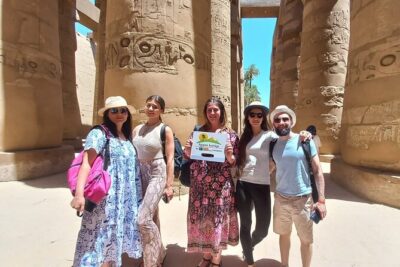
Small group Hurghada to Luxor, Valley of the Kings by Van
Read our review →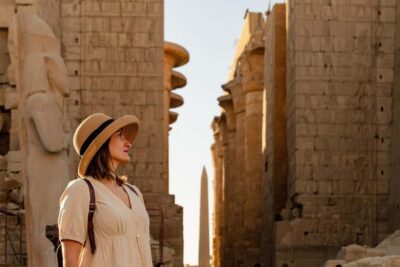
Shared Full-Day Tour to Luxor West and East Banks
Read our review →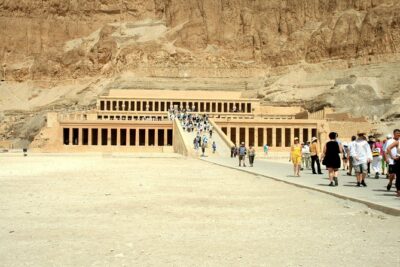
Luxor Day Tour: Valley of Kings & Queens & Hatchepsut Temples
Read our review →
2-Day Luxor Tour with Hotel, Balloon, & Boat Ride
Read our review →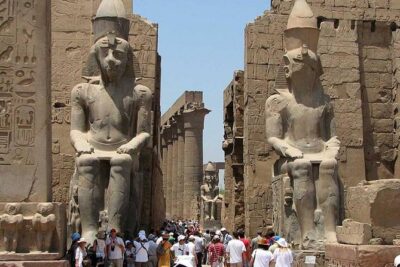
VIP Luxor Day Tour from Hurghada, Small group the top operator
Read our review →Browse the lists this tour appears in