
Reviewed · CRUISES & BOAT TOURS
4 Days Aswan Luxor Cruise with Visit in the Famous Attractions
The best part of this four-day Nile cruise is the way it links Egypt’s major ancient sites by water. You unpack once, watch the river drift past from the ship, and visit temples that range from Philae’s island sanctuary to the colossal halls of Karnak. Philae Temple and the sunset visit to Luxor Temple are especially memorable.
I like the small maximum group of 10, which makes the guided visits easier to manage, and I like the practical support built into the trip. Guides named Daniel, George, Andrew, Mina, Abanoub, and others are associated with the operation, and the strongest praise centers on their patience, organization, and quick replies. The cruise itself can be a comfortable base, with clean cabins and, on some departures, opening panoramic windows.
The main caution is cost clarity. At $850 per person, the package includes three nights, meals, transport, and guiding, but the general terms also say entrance fees are not included, while several individual stops show admission as included. Confirm exactly which tickets are covered before paying, and remember that Abu Simbel costs extra.
Key points to know before booking
- Three nights on the Nile: You sail from Aswan to Luxor on a 5-star cruise with breakfast, lunch, and dinner included.
- A compact group: The maximum is 10 people, a useful size for temple visits and questions.
- Philae requires a boat transfer: The temple sits on an island created after the Aswan Dam project, adding a pleasant water crossing to the visit.
- Abu Simbel is optional: The early departure uses a private air-conditioned vehicle and allows about two hours at the temples.
- The schedule is packed: You see major monuments each day, but several visits happen in the heat and require walking.
- Flexible cancellation: You can cancel for a full refund up to 24 hours before the local start time, subject to the stated weather and minimum-group conditions.
Why sailing from Aswan to Luxor works so well
A Nile cruise gives you a useful rhythm. You see a major site, return to the ship for lunch or rest, then watch the riverbanks pass as the boat moves north. That is less tiring than changing hotels and arranging separate road transfers between Aswan, Kom Ombo, Edfu, and Luxor.
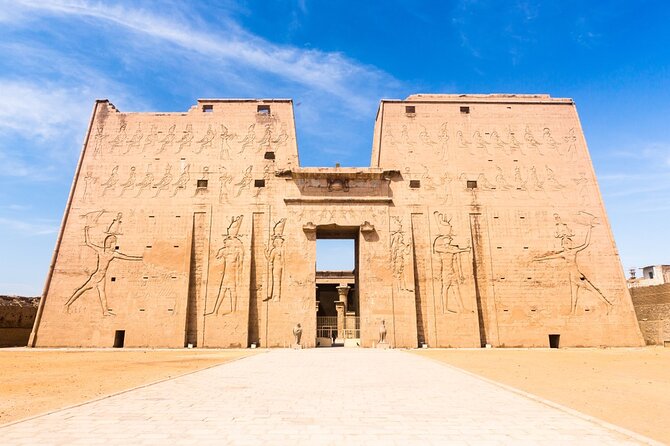
The route also follows a natural historical sequence. Aswan introduces the southern Nile and the modern engineering of the High Dam. Kom Ombo and Edfu bring you into the Graeco-Roman period. Luxor then delivers the great New Kingdom monuments, including Karnak, the Valley of the Kings, and Hatshepsut’s temple.
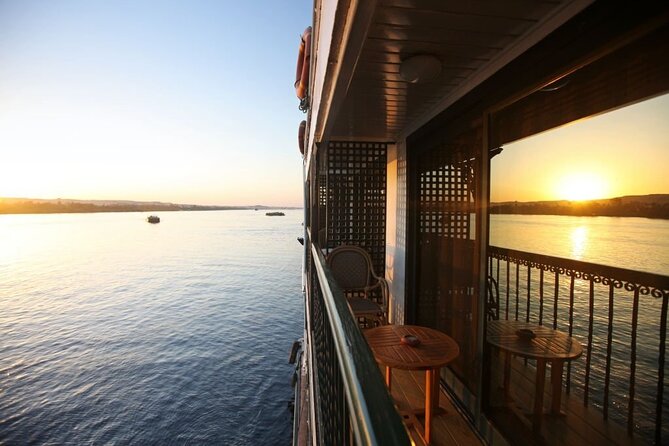
The ship is not just transport. It gives you open-air time between the visits, including tea on the sundeck and views of the river at sunset. The exact vessel may vary, but reports connected with this tour describe clean ships, traditional Egyptian food, and cabins with panoramic windows. One named example is the Ms. Adonis, while the Blue Shadow was recommended for another private arrangement.
At $850, the value depends on what is covered on your departure. Three nights of full-board cruising, an air-conditioned vehicle, an Egyptologist guide, and several organized excursions make the price potentially reasonable for someone who wants a ready-made route. Still, entrance tickets need careful checking because the package information is not perfectly consistent.
A few more days out in Luxor to weigh up
- Aswan to Luxor: 4-Day Private Nile Journey
★ 5.0 · 152 reviews - Luxury Cruise from Aswan to Luxor 4 Days with Abu Simble Temple
★ 5.0 · 60 reviews - 4 Days Private Egypt Tour to Cairo Luxor and Aswan
★ 5.0 · 19 reviews
Day one: Philae, the High Dam, and your first Nile views
Your arrival day begins in Aswan with a welcome, cruise check-in, and lunch aboard the ship. The stated start time is 8:00 a.m., though your exact pickup details should be confirmed when you book.
The first sightseeing stop is Philae Temple, dedicated mainly to Isis. Its setting is part of the appeal. The sanctuary was moved by UNESCO after construction of the Aswan High Dam threatened to cover it, and it now sits on an island in a carefully arranged setting. Reaching it by boat makes the visit feel distinct from a standard roadside temple stop.
Give yourself time to notice the mix of Egyptian and Roman work. The complex includes shrines and sanctuaries such as Trajan’s Kiosk, also called Pharaoh’s Bed. Your guide can explain the role of Isis as protector, healer, mother, and giver of life, as well as how her worship later spread through Greece and the Roman Empire.
The schedule allows about two hours at Philae. That is enough for a guided walk, photographs, and a look at the reliefs, though the midday heat can make the open areas tiring. Bring water, a hat, and shoes suitable for uneven stone.
The Aswan High Dam follows, about 13 kilometers south of the city. It is a very different sight from Philae, but an important one. The dam measures about 3,600 meters long, 980 meters wide at its base, and 111 meters high. Behind it lies Lake Nasser, described here as the world’s largest man-made lake.
This stop helps explain why Philae had to be moved and why the Nile remains central to modern Egypt. The dam provides irrigation water and electricity across the country. The visit lasts about an hour, so expect a viewpoint and an explanation rather than a long museum-style stop.
Day two: choosing Abu Simbel, then Kom Ombo
Abu Simbel is the major decision on day two. The trip is optional and begins early, with pickup from the cruise in a private air-conditioned vehicle. Once there, you have about two hours to see the two temples built by Ramses II.
The temples are among Egypt’s most famous monuments after the Giza Pyramids. Their scale and location make them a strong addition if you are willing to sacrifice sleep and spend extra money. The tour information does not provide the optional price, so ask for the current cost before committing.
If you skip Abu Simbel, the ship’s route gives you a slower day on the Nile. During lunch, you sail toward Kom Ombo, with time for photographs and river views. Tea on the sundeck and sunset scenery are simple pleasures, but they are also the moments that make a cruise different from a string of bus excursions.
Kom Ombo Temple is unusual because it was dedicated to two gods and built during the Graeco-Roman period, from 332 BC to AD 395. An earlier 18th Dynasty structure existed here, but little remains of it. The temple visit takes about two hours.
Kom Ombo is a good place to listen closely to your guide. The surviving structures reflect a later period than the great New Kingdom monuments at Luxor, and the site helps you see that ancient Egypt was not a single, unchanging age. Check the ticket arrangement here, since this stop is specifically marked as not including admission in the supplied details.
After Kom Ombo, the ship continues to Edfu. The evening includes an oriental dinner and a galabia, or traditional robe, party. This is a lighter part of the schedule, and you can treat it as optional social time rather than another serious historical lesson. If you prefer quiet evenings, you may find the party less appealing than sitting outside and watching the river.
Day three: Edfu, Karnak, and Luxor after sunset
The itinerary places the ship in Edfu for the evening, with the cruise continuing north toward Luxor afterward. The supplied schedule does not give a full guided description of Edfu Temple, so you should confirm whether admission and the precise visit are included in your departure. The day is already full, especially if you add Abu Simbel.
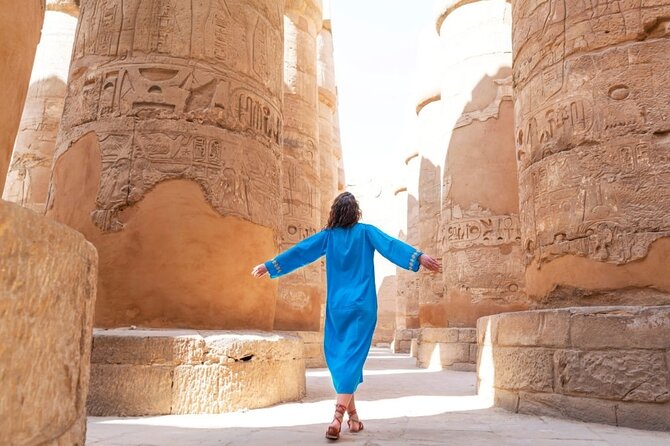
In Luxor, the focus shifts to the vast Karnak Temple complex. The guide describes Karnak as the largest religious building ever constructed, and its scale is hard to grasp from a short visit. It developed over more than 2,000 years and was dedicated to the Theban triad of Amun, Mut, and Khonsu.
The Hypostyle Hall is the showpiece. It covers about 54,000 square feet and contains 134 columns, creating a forest of stone that can make even a large tour group feel small. Karnak also includes smaller temples and a sacred lake measuring about 423 by 252 feet.
You have about two hours here. That is enough to see the main route with a good guide, but not enough to inspect every corner. Pay attention to the order of the visit and ask your Egyptologist to explain what you are seeing before moving on. Guides such as Daniel and George have been praised for making the history clear and for adjusting explanations to the group’s interests.
Luxor Temple is scheduled afterward, ideally around sunset. I like this timing because the fading light changes the feel of the columns and statues, and the temple is easier to appreciate after Karnak has introduced the religious world of ancient Thebes.
Luxor Temple began under Amenhotep III and was completed or expanded by Tutankhamun, Horemheb, and Ramses II. Alexander the Great later had a granite shrine here. The site also reflects later layers of use: a Christian church occupied part of the complex, and the mosque of Sufi Shaykh Yusuf Abu al-Hajjaj was built above the buried temple before the ancient remains were uncovered.
That mixture is worth noticing. You are not looking at an isolated ruin that stopped mattering after the pharaohs. The site continued as a place of worship, and the mosque remains part of the setting today. The two-hour visit should give you time to see the main monuments without rushing every photograph.
A completely different sort of day in Luxor:
- Hurghada: Luxor Valley of the Kings & Tutankhamun Tomb Trip
★ 4.7 · 13,208 reviews - Luxor Day Trip from Hurghada Small Group & Tutankhamun Tomb
★ 4.8 · 5,366 reviews - Hot Air Balloon Ride in Luxor Egypt with Transfers Included
★ 5.0 · 4,319 reviews - Small group Hurghada to Luxor, Valley of the Kings by Van
★ 4.5 · 2,470 reviews
Day four: royal tombs on Luxor’s west bank
After breakfast, you cross the Nile to the west bank for the Valley of the Kings. This is one of the strongest parts of the cruise because it moves you from grand public temples into hidden burial places.
The Valley became a royal burial ground during Egypt’s New Kingdom, from 1539 to 1075 BC. Pharaohs including Tutankhamun, Seti I, and Ramses II were buried here, along with queens, high priests, and other members of the elite.
The tombs were designed for the next life. Their painted walls and carved passages show the effort put into guiding the dead through the afterlife. The tour allows about two hours, but the precise tombs open on the day can vary. Tutankhamun’s tomb may require an additional ticket in many arrangements, so ask what your entrance fee covers.
Expect heat, dust, and walking on uneven ground. The Valley is not difficult for most people in reasonable health, but it is not a shaded museum. The supplied information says most people can participate, yet anyone with mobility concerns should discuss the route before booking.
Hatshepsut’s temple at Deir el-Bahari comes next. Its stepped terraces and long rows of columns rise beneath stark cliffs, creating one of the most striking settings on the west bank. The architecture is memorable, but the story behind it is just as important.
Hatshepsut first ruled as queen regent after the death of her husband, Thutmose II. She later took the title of pharaoh and governed for more than two decades while her stepson, Thutmose III, was still young. Reliefs and the temple’s formal design helped present her authority in a language usually reserved for male kings.
The final stop is the Colossi of Memnon, a quick 20-minute visit. These two seated statues represent Amenhotep III and face east toward the Nile. Each rises about 18 meters and weighs roughly 720 tons, carved from a single block of sandstone.
This is a brief photo stop, not a long guided visit. That is fine after a morning of tombs and terraces. You get a clear look at the huge statues, hear the basic story, and finish without adding another demanding walk.
Guides, group size, meals, and the onboard routine
The maximum group size is 10, which matters at sites such as Karnak and the Valley of the Kings. You can hear the guide more easily, ask questions, and move through entrances with less delay than in a large coach group.
The operation uses Egyptologist guides, and named guides connected with past arrangements include Daniel, George, Andrew, Mina, and Abanoub. The most useful quality to look for is not a polished speech but clear explanations and reliable coordination. Daniel is repeatedly associated with quick communication and changes made on short notice, while George is praised for patience and friendly help in Aswan and Luxor.
Three breakfasts, three lunches, and three dinners are included, along with full board on the three-night cruise. Food is described as including traditional Egyptian dishes. Meal quality can vary by ship and departure, so treat the published cruise standard as a guide rather than a guarantee of a specific menu.
You should also expect early starts, temple walking, and time spent in the sun. August is specifically a poor choice for anyone sensitive to heat, according to the supplied practical feedback. A cooler season should make the west-bank visits and Abu Simbel more comfortable, though the exact weather policy allows a date change or full refund if poor conditions cancel the trip.
Who should book this Nile cruise?
I would choose this trip if you want the major Aswan and Luxor sights in one organized package, prefer a small group, and like having a guide handle the transfers. It is especially suited to a first visit, since the route covers modern Aswan, island temples, Graeco-Roman sites, royal tombs, and the great sanctuaries of Luxor.
It is less suitable if you want long, unhurried visits at each monument. The schedule is ambitious, and Abu Simbel makes day two even more demanding. Independent visitors may also prefer to arrange their own tickets and ship, particularly if the uncertainty about entrance fees is not cleared up in advance.
At $850 per person, I see good potential value for a three-night 5-star cruise with meals, air-conditioned transport, a guide, and a group capped at 10. Before booking, ask for the exact ship name, cabin details, entrance-ticket list, Abu Simbel supplement, and final pickup plan. You can cancel without penalty up to 24 hours before the local start time, but later changes are not accepted under the stated terms.
FAQ
How long is the Aswan to Luxor cruise?
The experience lasts approximately four days and includes three nights aboard a 5-star Nile cruise.
What meals are included?
Three breakfasts, three lunches, and three dinners are included. The cruise is described as full board, with traditional Egyptian food served on some departures.
Is Abu Simbel included?
No. Abu Simbel is an optional excursion from the cruise. It uses a private air-conditioned vehicle, begins early, and allows about two hours at the temples.
Which attractions are visited?
The route includes Philae Temple, the Aswan High Dam, Kom Ombo, Edfu, Karnak Temple, Luxor Temple, the Valley of the Kings, Hatshepsut’s temple, and the Colossi of Memnon.
Are entrance fees included?
The information is mixed. Several stops are marked as including admission, while the general terms say entrance fees to all sites are not included. Confirm the exact ticket list with EZ Tour Egypt before booking.
What is the cancellation policy?
You can cancel at least 24 hours before the experience starts for a full refund. Cancellations or changes made less than 24 hours before the local start time are not accepted, and weather or minimum-group cancellations may lead to a new date, another experience, or a full refund.
Just added in Luxor
- Private Trip To Luxor from Cairo by Plane★ 5.0 · 22 reviews
- Luxor Private Day Trip from Cairo by Plane★ 4.5 · 69 reviews
- Private Day Tour To Luxor from Cairo by Plane,Tours,Sailing Felucca,Camel&Lunch★ 5.0 · 45 reviews
- Private Day Tour To Luxor from Cairo by Plane★ 4.5 · 41 reviews
- Package 8 Days 7 Nights To Jewels of Egypt, Luxor & Aswan Tour★ 5.0 · 29 reviews
- Package Cairo & Alexandra & Luxor & Aswan★ 5.0 · 39 reviews
- Overnight Luxor Tours by train from Cairo with Hot Air Balloon and much more★ 5.0 · 29 reviews
- Private Luxor Day tour from Cairo by Flight★ 5.0 · 25 reviews
Cruises & Boat Tours, compared.


Royal Seascope Submarine Cruise with Snorkel Stop
Read our review →
3 Islands, Dolphins & Snorkel Yacht Trip w/ Lunch
Read our review →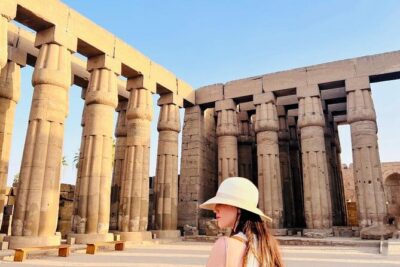
4-Days Nile Cruise From Aswan To Luxor including Abu Simbel and Hot Air Balloon
Read our review →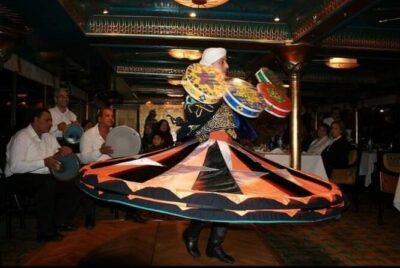
Dinner Cruise on the Nile River with Entertainment
Read our review →
Nile Sunset Dinner Cruise, Show & Optional Transfer
Read our review →
Hula Hula Cruise with Lunch, Massage, & Snorkeling
Read our review →
White Island and Ras Mohamed Cruise Adventure
Read our review →Browse the lists this tour appears in