
Reviewed · HOT AIR BALLOON RIDES
3 Day Nile Cruise from Aswan to Luxor and Hot Air Balloon
The best part of this three-day trip is the way it links Egypt’s major Nile sights into one moving hotel. You wake near Aswan, pass temples along the river, and finish among the tombs and grand temples of Luxor. The Temple of Philae by motorboat and the sunrise balloon ride add variety beyond the usual coach tour.
I like the comfort of a five-star, full-board cruise, with transfers, entry fees, meals, and an Egyptologist guide included. I also like the private-tour setup, which keeps your group together rather than folding you into a large public departure. The main caution is clarity: the supplied schedule does not list the hot-air balloon or Abu Simbel, although both appear repeatedly in the experience details. Confirm exactly what your departure includes before paying.
Key points to know before booking
- Philae begins with a boat ride: You reach the island temple by small motorboat, giving the first sightseeing stop a pleasant sense of occasion.
- Edfu uses a horse-drawn carriage: The ride is part of the appeal, though carriage arrangements can add waiting and street activity to the visit.
- Your cruise covers the essentials: Full-board accommodation, breakfast, lunch, dinner, transfers, admission fees, and an Egyptologist guide are included.
- The balloon ride needs confirmation: Bad weather brings a stated refund of $25 per person, but the timing and precise arrangement are not supplied.
- Mohamed Al-Dahesh is a named guide option: A Spanish-language departure has been associated with this guide, so ask about language when booking.
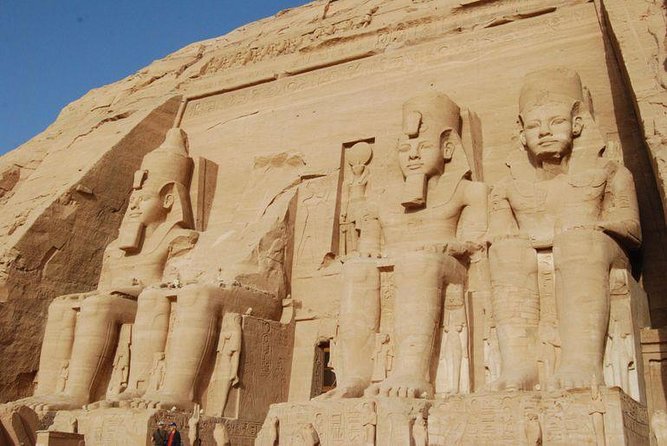
- Abu Simbel is a schedule question: It appears in the promotional material and guest comments, but not in the detailed three-day itinerary provided here.
What the $655 price really covers
At $655.07 per person, this is not a shoestring Nile crossing. You are paying for three days of movement, accommodation, meals, sightseeing, private transfers, entry tickets, and guide service in one package.
That can be good value if you want the logistics handled. A Nile cruise involves more than stepping onto a boat. You need transport from the ship to temples, admission tickets, local arrangements at sites, and a schedule that works around the vessel’s sailing times. Here, those pieces are bundled together.
The price also includes a private cabin, though room occupancy affects how you book. A solo room requires a single-person booking. Three people can share one triple room, while a group member wanting a private room must book separately.
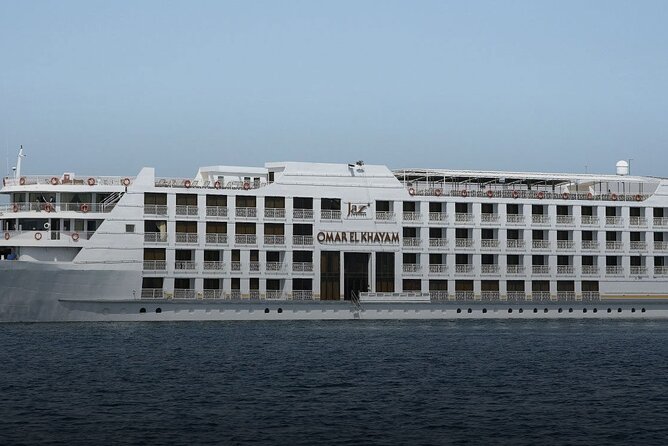
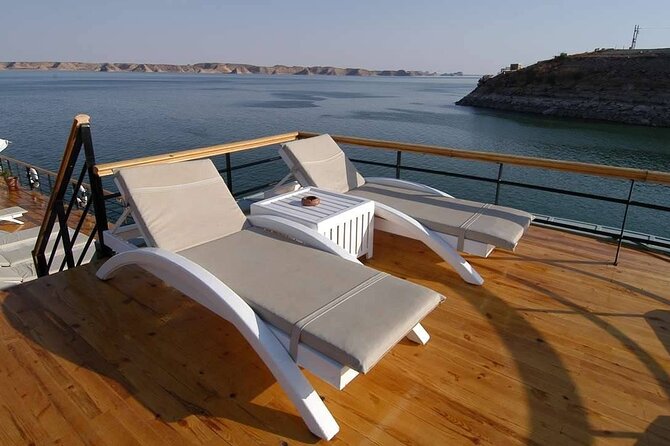
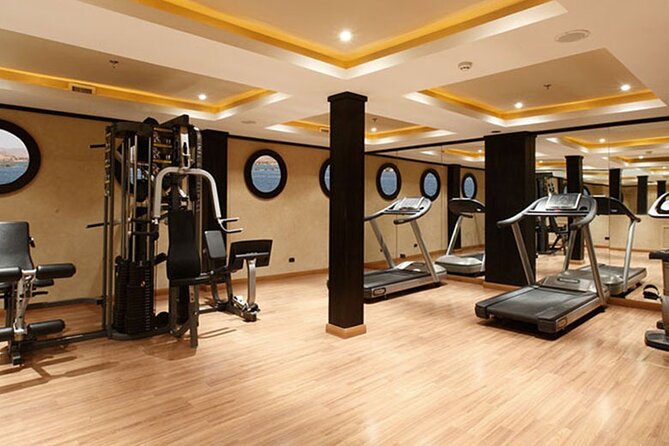
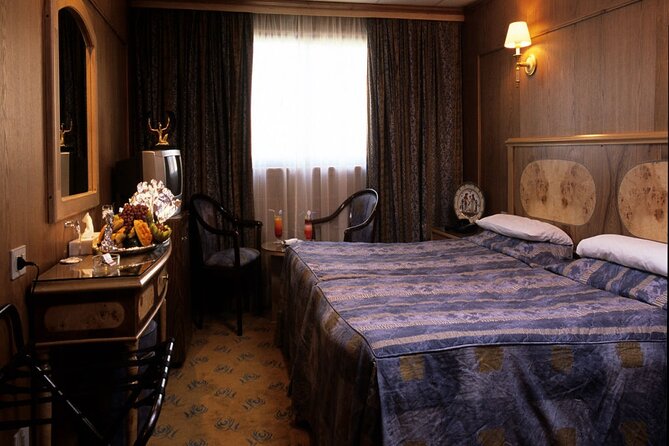
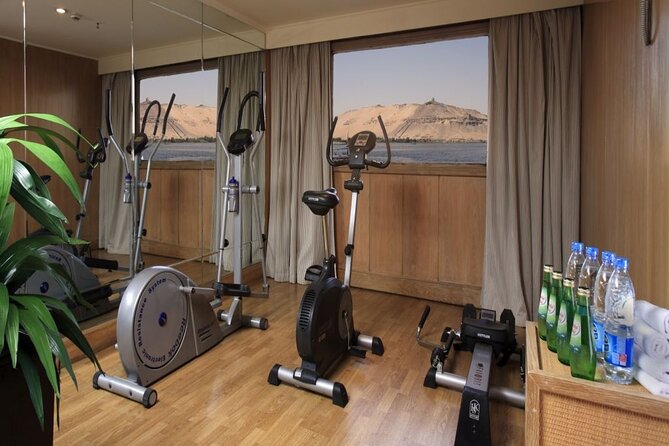
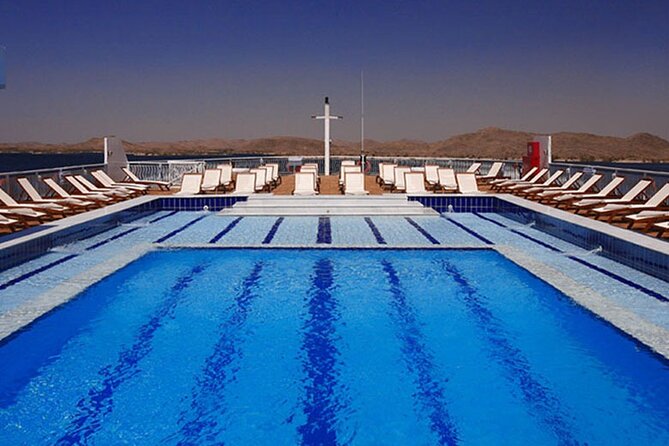
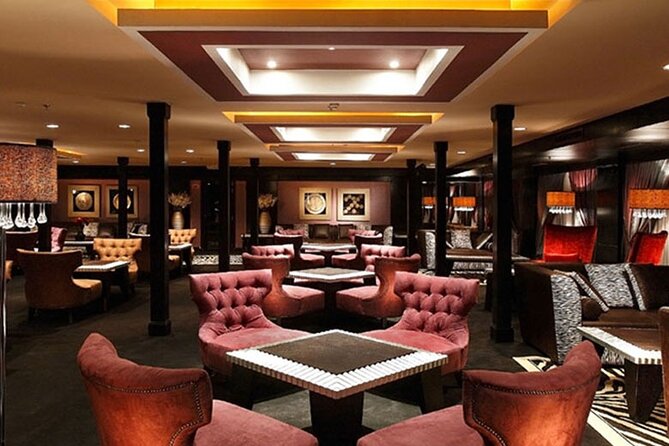
The word five-star tells you the intended level of comfort, but it does not identify the ship, cabin size, deck facilities, dining style, or exact room layout. I would ask for the vessel name and cabin details before booking if those points matter to you.
Tipping is not included. Set aside money for that separate cost, and ask the operator how tipping is handled for the guide, driver, ship crew, and other service staff. During Christmas, New Year, and Easter, an extra fee applies from December 20 through January 7. That seasonal charge can change the value calculation.
More hot air balloon rides in the Nile Valley:
- 4-Days Nile Cruise From Aswan To Luxor including Abu Simbel and Hot Air Balloon
★ 5.0 · 3,142 reviews - 4-Day 3-Night Nile Cruise from Aswan to Luxor&Abu Simbel+Balloon
★ 5.0 · 2,023 reviews - 4-Day 3-Night Nile Cruise from Aswan to Luxor including Abu Simbel, Air Balloon
★ 4.5 · 612 reviews
Day one: the High Dam and Philae’s island setting
The tour begins at noon in Aswan, with pickup and assistance on arrival. The first stop is the Aswan High Dam, built from 1960 to 1970 to control flooding and produce electricity. It is a large engineering work, not an ornate ancient monument, so allow yourself to appreciate its modern role in Egypt’s water and power system.
The visit is scheduled for about two hours, with admission included. The itinerary wording is a little awkward, referring to finishing and taking the way back to Kom Temple, so confirm the exact order with your guide on the day.
Philae is the more memorable stop. You take a small motorboat to the island temple dedicated to Isis, a major goddess in ancient Egyptian religion. The boat transfer matters because the temple is not simply beside the road. The approach lets you see the site from the water before walking through its courtyards and carved halls.
The temple complex reflects several periods, especially the Graeco-Roman era. Its reliefs and columns show how Egyptian religious traditions continued under later rulers. Your Egyptologist guide should help separate the older Egyptian ideas from the later additions, making the carvings easier to read.
Allow about two hours here. Wear shoes that are comfortable on stone surfaces, and bring sun protection. The island setting is exposed, and much of the pleasure comes from moving between outdoor areas rather than staying in a single shaded room.
You return to the cruise for dinner and a folkloric show. This gives the first day a clear rhythm: modern Egypt at the dam, ancient religion at Philae, then an evening on board. Since the start is at noon, the day is fairly manageable, although the combination of transport and sightseeing can still feel full.
Kom Ombo and the appeal of a riverside temple
Kom Ombo is unusual because it was built for two gods, Sobek and Horus. Sobek has a crocodile form, while Horus is shown with the head of a falcon. The temple’s plan mirrors this double dedication, with paired entrances, halls, and sanctuaries.
That symmetry gives you something specific to look for. Instead of seeing the complex as a general collection of columns, notice how the layout reflects two religious traditions sharing one site. The guide’s explanation is especially useful here because the architecture can seem confusing without a clear map of the two halves.
The stop is scheduled for two hours and admission is included. Kom Ombo sits directly along the river route, so the visit has a practical advantage: you are not losing a long day to a distant road transfer. The tradeoff is that the site can feel brisk if you want time for every inscription and carved detail.
This is also a good place to keep your expectations realistic. Kom Ombo is not as vast as Karnak or as visually dramatic as Hatshepsut’s temple. Its strength is its unusual design and river setting. I would pay attention to the details rather than rushing through it in search of a grand first impression.
Day two: Edfu’s giant gateway and horse-drawn carriage
Edfu’s Temple of Horus is one of Egypt’s best-preserved ancient temples. Built during the Ptolemaic period between 237 and 57 BCE, it has massive pylons, a large courtyard, a column-filled hypostyle hall, and an inner sanctuary.
The scheduled visit lasts three hours, making it one of the more substantial stops. That extra time is useful because the temple rewards a slower look. The pylons carry large reliefs, the columns show layers of religious decoration, and the sanctuary helps you understand how the building functioned rather than seeing it only as a photo stop.
The horse-drawn carriage ride to the temple is a distinctive part of the morning. It adds local character and saves you from walking the full route from the docking area. It can also be less polished than the cruise itself, with traffic, waiting, and street noise possible. If you prefer a quieter or more controlled transfer, ask how the carriage arrangement works before setting out.
Edfu is a strong stop for first-time visitors because its scale is easy to grasp. The huge entrance makes an immediate impression, while the interior provides enough preserved detail to reward an Egyptologist’s explanation. Bring water, since the open courtyard and approach can be hot.
A few more days out in the Nile Valley to weigh up
- From Luxor: 3-Day Nile Cruise to Aswan with Private Guide
★ 4.2 · 147 reviews - From Cairo: 3-Day Nile Cruise with Hot Air Balloon & Flights
★ 3.7 · 71 reviews - Aswan: 3-Day Nile River Cruise to Luxor with Guided Tours
★ 4.4 · 62 reviews - 3-Day Nile Cruise with Hot Air Balloon from Cairo by Flights
★ 5.0 · 53 reviews
Karnak and Luxor Temple after reaching Luxor
The second day continues with Karnak, one of Egypt’s largest temple complexes. The site covers a huge area and includes the famous Hypostyle Hall, with 134 columns, along with smaller chapels, temples, and a sacred lake.
Two hours is enough for a focused introduction, but not for every corner. That is not a flaw in the schedule so much as a fact of scale. Karnak is the kind of place where a guide’s route matters. You want to see the major gateway, the great columns, and the most important religious areas without spending your energy wandering under the sun.
The complex was dedicated mainly to Amun-Ra, one of ancient Egypt’s most important gods. Look upward as well as forward. The columns and walls carry carved scenes and hieroglyphs that make the scale feel human again, connecting the huge stone structure to ritual and political life.
Luxor Temple follows, with another two-hour visit. Built mainly under Amenhotep III and expanded by Ramses II, it was dedicated to the Theban triad of Amun, Mut, and Khonsu. The entrance area features colossal statues and obelisks associated with Ramses II, while the interior contains columns, reliefs, and sacred spaces.
Karnak and Luxor Temple complement each other. Karnak feels like a sprawling religious center; Luxor Temple feels more compact and direct. Seeing both on the same day gives you a better sense of how ancient Thebes was organized.
This is also the busiest sightseeing day in practical terms. Edfu, Karnak, and Luxor Temple involve three major sites, plus the cruise schedule and transfers. You may appreciate the efficiency, but you should not expect a relaxed morning. Comfortable clothing, water, and a willingness to keep moving will help.
Day three: tombs, cliffs, and the Valley of the Kings
The third day crosses to Luxor’s west bank for the Valley of the Kings. This was the burial ground for many New Kingdom rulers from roughly the 16th to 11th centuries BCE. Instead of building large pyramids, pharaohs were buried in rock-cut tombs, many decorated with scenes connected to the afterlife.
The scheduled visit lasts two hours. Admission is included, but the specific tombs open on the day can vary, so ask your guide which ones are part of the entry arrangement. Tutankhamun’s tomb is famous, but its fame does not automatically mean it is included in the standard ticket. Clarify this before you arrive if seeing it is important to you.
Inside the tombs, the artwork is often the main reward. The corridors and chambers can be narrow, and the painted scenes are far more intimate than the giant temple walls seen earlier. Take your time with the colors and symbols, but remember that heat and limited space can make this a tiring stop.
The Temple of Hatshepsut at Deir el-Bahari follows for about an hour. Built for Hatshepsut, one of Egypt’s few female pharaohs, the temple is arranged in terraces against the cliffs. Its design is different from the low, enclosed temples along the Nile, and that change gives the morning a welcome visual break.
One hour is enough for the main terraces and a clear explanation of Hatshepsut’s rule. It is not enough for a leisurely inspection of every relief, so stay close to the guide’s route. The bright stone, open terraces, and steep rock backdrop can make this one of the most striking stops of the trip.
The final stop is the Colossi of Memnon, two seated quartzite statues of Amenhotep III. Each is about 18 meters high. The visit takes only 30 minutes and has no admission charge, making it a sensible short stop before the day’s final arrangements.
Do not expect a long exploration here. The statues are best treated as a quick roadside encounter with two enormous survivors from an ancient mortuary complex. Their scale makes the brief visit worthwhile.
The hot-air balloon question
The hot-air balloon ride is a major part of the experience’s title and promotional language, yet the detailed day-by-day schedule does not place it anywhere. It is usually presented as a dawn activity in the supplied descriptions, and the information says that cancellation because of bad weather brings a $25 per-person refund.
That refund clause is useful, but it does not answer every practical question. Ask when pickup occurs, whether the balloon ride is on the third morning, how it fits with the Valley of the Kings, and whether transfers are private. You should also ask what happens if the flight is delayed rather than fully cancelled.
A balloon ride can add a completely different view of the Nile and Luxor’s temples. It also means an early start and weather dependence. If the flight is a central reason for booking, get written confirmation that it is included in your specific departure.
Abu Simbel needs a separate confirmation
Abu Simbel appears repeatedly in the supplied descriptions of this experience, including comments about its temples, statues, and a visit from Aswan. Yet Abu Simbel is not included in the detailed three-day itinerary, which instead lists the High Dam, Philae, Kom Ombo, Edfu, Karnak, Luxor Temple, the Valley of the Kings, Hatshepsut, and the Colossi of Memnon.
Treat that mismatch seriously. Abu Simbel is not a minor add-on that can be assumed. Ask whether it is included, optional, or attached to a different departure pattern. Also confirm whether adding it changes the cruise timing, the first-day meeting time, or the final drop-off.
Guides, language, and private touring
The experience includes an Egyptologist guide during excursions and is described as a private activity for your group. That is useful at sites such as Karnak and the Valley of the Kings, where a clear route can save time and help you focus on the most important features.
One named guide connected with a Spanish-language departure is Mohamed Al-Dahesh. If you need Spanish or another particular language, request confirmation rather than assuming it will be available. The guide’s language and experience will shape how much you get from the reliefs, royal names, and religious symbols.
A private tour does not mean every moment is private on the ship. Your excursion group is private, while the cruise itself is shared with other people booked on board. That distinction is worth understanding before you book.
Who should book this Nile cruise?
I would choose this trip if you want a concentrated first look at the Nile between Aswan and Luxor without arranging every transfer yourself. It suits someone who values a private cabin, included meals, organized sightseeing, and historical explanation more than a loose, independent schedule.
It is also a good fit if you want the major temples in a short period. The pace is active, especially on the second day, but the route covers the classic sights efficiently.
I would hesitate if you need a slow holiday with long afternoons off the ship. I would also hesitate until the operator confirms the balloon ride and Abu Simbel details in writing. Those two features appear important to the product, but the supplied schedule leaves them unclear.
Cancellation is free up to 24 hours before the local start time. Changes or cancellations inside that period are not accepted for a refund. The meeting time is listed as noon, and pickup is offered, but confirm the exact pickup point and arrival instructions before travel.
Should you book it?
Book this Nile cruise if you want three packed sightseeing days with hotel-style comfort on the river and a guide to explain what you are seeing. The included meals, admission fees, air-conditioned transfers, and private-cabin arrangement make the $655.07 price easier to justify than a bare cruise fare.
Before booking, ask three direct questions: What ship and cabin category will I receive? Is the hot-air balloon definitely included, and on which morning? Is Abu Simbel included in this exact departure? If the answers are clear, this is a practical way to connect Aswan and Luxor in one well-organized trip.
FAQ
How long is the Nile cruise?
The experience lasts approximately three days and travels from Aswan to Luxor.
What time does the tour start?
The listed start time is 12:00 pm.
Is accommodation included?
Yes. Accommodation is provided aboard a five-star cruise on a full-board basis.
Which meals are included?
The package includes two breakfasts, two lunches, and two dinners.
Is a guide included?
Yes. An Egyptologist guide accompanies the excursions. Mohamed Al-Dahesh is named in connection with a Spanish-language departure, but you should confirm the guide and language for your booking.
What happens if the hot-air balloon is cancelled because of weather?
The supplied conditions state that you receive a refund of $25 per person if the hot-air balloon is cancelled due to bad weather.
Is tipping included?
No. Tipping is not included in the tour price.
Just added in the Nile Valley
- Egypt 8 Days Cairo,Nile cruise,Luxor,Aswan from Cairo airport★ 5.0 · 79 reviews
- Private Tour: 7 Nights Pyramids & Nile Cruise +Flights from Cairo★ 4.5 · 157 reviews
- 8 Day Cairo Pyramids and Nile cruise and Alexandria All inclusive Private Tour★ 5.0 · 23 reviews
- 7 Days Egypt Tour Package to Cairo and Nile Cruise★ 5.0 · 62 reviews
- 6-Day Egypt Package, Nile Cruise from Aswan to Luxor by Flights★ 5.0 · 18 reviews
- Private 6-Days Egypt Tour Package with Nile Cruise by Flights★ 4.0 · 59 reviews
- Egypt in 9 Days from Saturday to Sunday including tours and Dahabeya Nile trip.★ 5.0 · 21 reviews
- From Cairo 4-Day Nile Cruise to Aswan by Flights& Hot Air Balloon★ 4.5 · 44 reviews
Hot Air Balloon Rides, compared.

Hot Air Balloon Ride in Luxor Egypt with Transfers Included
Read our review →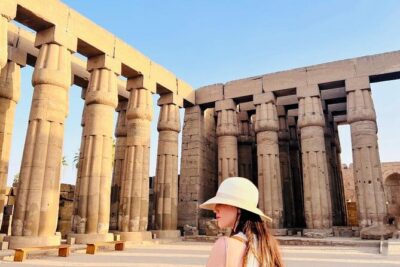
4-Days Nile Cruise From Aswan To Luxor including Abu Simbel and Hot Air Balloon
Read our review →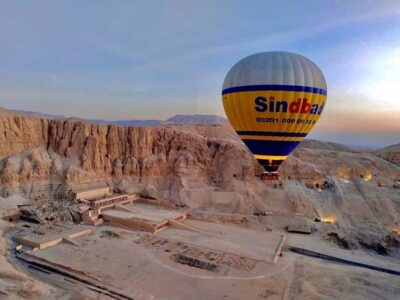
2-Day Luxor Tour with Hotel, Balloon, & Boat Ride
Read our review →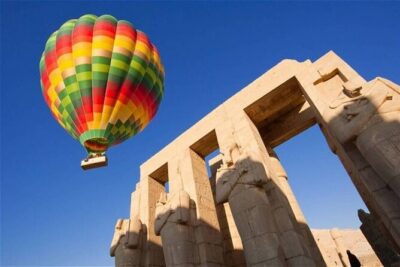
Sunrise Hot Air Balloon Over the Historical sites in Luxor
Read our review →
Sunrise Ballooning Luxor with Transfers Included
Read our review →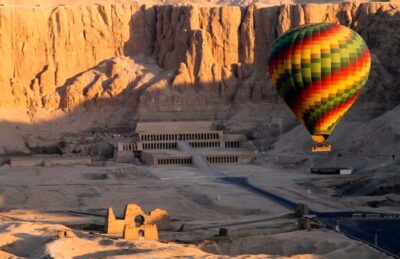
Hot Air Balloon Ride with Full-Day Sights Tour
Read our review →Browse the lists this tour appears in